







The Genius with a Dark Reputation
The producer in question was Phil Spector, a genuine visionary who had revolutionized pop music in the early 1960s. His legendary "Wall of Sound" technique, which layered dozens of instruments into a dense, orchestral roar, had made him a hero to artists
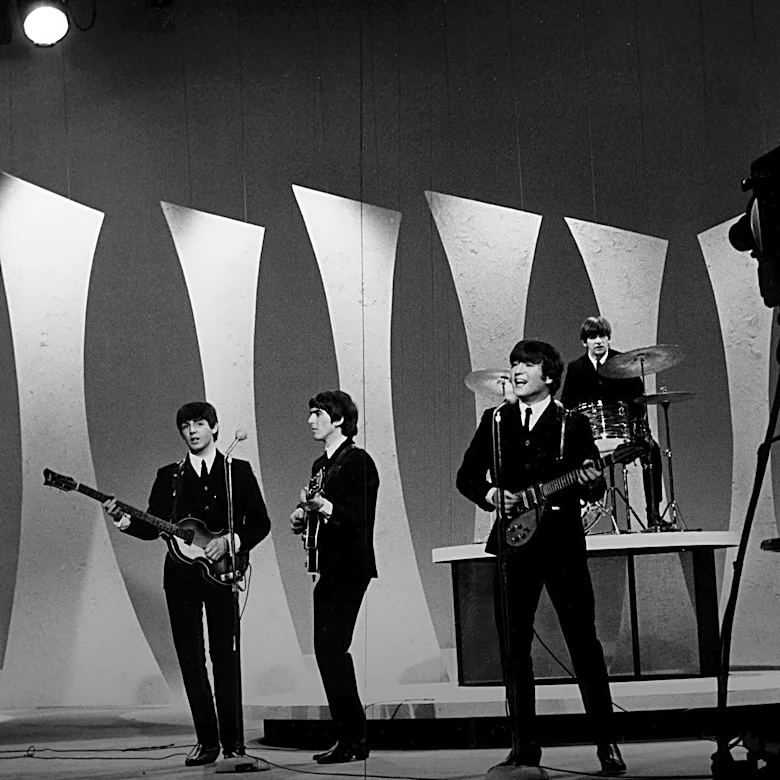
like John Lennon and George Harrison. Lennon was first connected with Spector through their mutual manager, Allen Klein, and after a successful collaboration on the single "Instant Karma!", he was convinced Spector was the man to help shape his post-Beatles sound. But Spector was more than just a musical genius; he was a notoriously erratic and menacing figure. Tales of his bizarre studio behavior, which included brandishing firearms and creating a hostile, unpredictable environment, were already industry lore. He was a creative force, but one that came with immense personal and professional risk.
A Collision of Art and Commerce
Record labels like EMI and Capitol were in the business of selling records, and Spector’s reputation made them nervous. His methods were expensive, his sessions were often chaotic, and his personality was a liability. During the troubled recording of what would become Lennon's Rock 'n' Roll album, Spector's behavior spiraled. The sessions were fueled by alcohol, a bottle of whiskey was spilled on a mixing console, and Spector even fired a gun into the studio ceiling. He later disappeared with the master tapes for months, only returning them after the record label paid a hefty sum. This was the kind of producer the executives wanted to avoid. They preferred reliable, efficient professionals, not an unstable auteur who held projects hostage. For them, the commercial risk far outweighed the artistic reward.
Why Lennon Fought for Spector
So why did Lennon insist on working with him? For one, Lennon believed Spector could take flawed or basic recordings and make them monumental. He famously gave Spector the 'shittiest load of badly recorded shit' from the Beatles' abandoned Get Back sessions, which Spector salvaged and turned into the Let It Be album. Lennon, who was notoriously insecure about his own voice and often felt his rawest songs were sanitized by The Beatles' pop production, saw a kindred spirit in Spector. For the Imagine album, Lennon, Spector, and Yoko Ono formed a co-producing trio, creating a balance where Spector's grand tendencies could be checked by Lennon's desire for rawness. Lennon felt they understood each other, allowing them to work quickly and intuitively to create the lush, layered sound that defined the album. Spector didn't just produce; he translated the grandeur Lennon heard in his head.
The Sound That Defined an Era
Lennon’s victory in keeping Spector had a profound impact on his musical legacy. The collaboration resulted in some of the most enduring work of his solo career. On the album Imagine, the balance they struck was perfect. The elaborate string arrangements on songs like the title track and "Jealous Guy" are pure Spector, adding a cinematic sweetness that made Lennon's political and personal statements accessible to millions. This was exactly the "sugarcoating" Lennon said the song "Imagine" needed to be accepted. Meanwhile, on more aggressive tracks like "Gimme Some Truth" and "How Do You Sleep?", Spector's production amplified the raw power and bite. It was a partnership that, despite its volatility, managed to merge Lennon’s primal scream honesty with a sound big enough to fill stadiums, creating a template for the artist-as-icon.