


The Problem with Scale
In the world of mass-market fashion, scale is everything. Large textile manufacturers are built for efficiency, churning out thousands of yards of fabric to serve global brands. This model, however, creates a major roadblock for high-fashion designers,
especially those pushing creative boundaries. The issue lies with Minimum Order Quantities, or MOQs. To make a production run financially viable, big mills require clients to purchase a massive volume of material—often thousands of yards. For a designer creating a dozen avant-garde runway looks or a small capsule collection, committing to such a quantity is not just impractical; it’s financially impossible. This gatekeeping effect can stifle creativity, forcing designers to abandon their most ambitious ideas before they even reach the pattern-making stage. The very system built to clothe the world efficiently is often too rigid to accommodate the genesis of a single, groundbreaking idea.
The Indie Advantage: Flexibility and Appetite for Risk
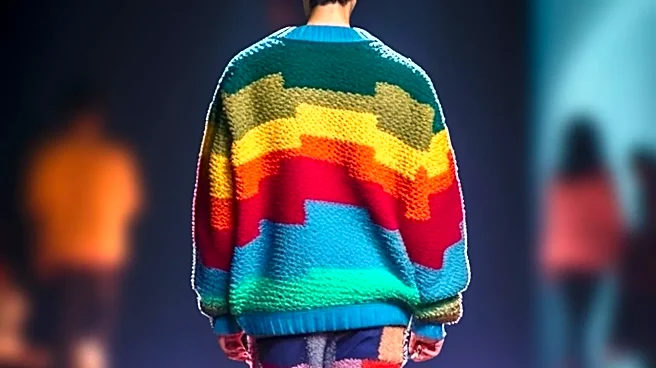
This is where independent fabric mills enter the picture. Often family-owned or run by a small team of artisans, these mills operate on a completely different business model. Their strength lies in their flexibility. Unburdened by the need to optimize for massive runs, they can offer low or even no MOQs, allowing a designer to order just a few yards of a unique material. This agility is crucial for runway experimentation, where a single look might require a highly specific, never-before-seen textile. For these smaller mills, collaborating with an emerging or experimental designer isn’t just a small order; it’s a strategic partnership. It’s a chance to be part of a headline-grabbing collection, to build a reputation for innovation, and to treat the collaboration as a form of research and development. They are willing to take risks that larger corporations, with their focus on quarterly returns, simply cannot justify.
The Mill as a Creative Laboratory
The relationship is far from one-sided. While designers get the custom materials needed to realize their vision, independent mills get to turn their workshops into laboratories for innovation. Working with a demanding, creative designer pushes them to experiment with new fibers, weaving techniques, and finishing processes. These runway-focused experiments can lead to genuine breakthroughs in textile technology. A custom weave developed for a single couture gown might later be adapted into a more commercial fabric. A new sustainable dyeing process tested for a small collection could become a new standard for the mill. This symbiotic partnership turns the mill from a simple supplier into a vital creative collaborator, with artisans and technicians working hand-in-hand with designers to solve complex material challenges. This deep collaboration ensures that the final garment is not just a designer's idea, but a testament to shared expertise.
More Than Just Thread: The Power of a Good Story
In today's fashion landscape, a product's story is as valuable as its design. Consumers, particularly at the luxury end of the market, are increasingly interested in craftsmanship, sustainability, and authenticity. Independent mills are perfectly positioned to provide this narrative. A fabric sourced from a centuries-old Italian mill, a textile woven with recycled materials by a local cooperative, or a pattern digitally printed on demand to eliminate waste all come with a compelling backstory. Designers can leverage these stories, adding a layer of meaning and value to their collections. This focus on provenance and responsible production is becoming a significant competitive advantage. By partnering with indie mills, designers aren't just buying fabric; they're buying into a narrative of quality, heritage, and innovation that resonates deeply with a modern audience.