





The Science of the Click
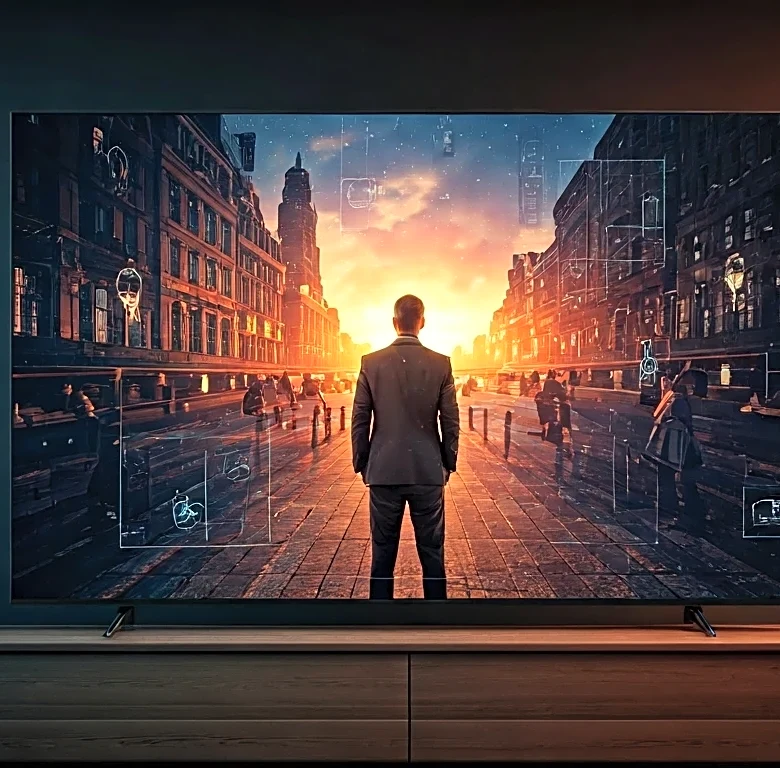
To understand the Juneteenth thumbnail problem, you first have to understand the ruthless efficiency of the streaming thumbnail itself. For platforms like Netflix, Hulu, and Max, the small rectangle of art promoting a show or movie is a multi-million
dollar science. These companies employ sophisticated A/B testing, running thousands of variations of a thumbnail to see which one gets the most clicks. They use personalized data, showing you an image of a supporting actor you like from another show, even if they’re barely in this new one. The goal is singular: stop the scroll and initiate a watch. It’s a system designed to optimize for immediate engagement, not for contextual accuracy or cultural sensitivity. The thumbnail isn’t necessarily trying to tell you what the show is *about*; it’s trying to guess what visual cue will make *you* personally press play.
When Nuance Gets Flattened
This optimization-first approach creates a major issue when it encounters culturally significant and complex topics. Juneteenth commemorates the end of slavery in the United States—a subject filled with pain, resilience, joy, and historical weight. A serious documentary about the Galveston, Texas origins of the holiday might be a nuanced exploration of delayed freedom and the long fight for civil rights. But the algorithm, seeking a click, doesn't understand nuance. It might slap on a thumbnail of a somber-looking Black face, lumping it in with a dozen other “trauma” dramas. Conversely, a film about the celebratory aspects of modern Juneteenth traditions could be given a generic “Black Joy” thumbnail that strips it of its specific historical grounding. The algorithm sees patterns, not stories. It identifies what has worked before within broad categories like “African American Interest” and replicates it, flattening a diverse array of narratives into a handful of marketable visual tropes.
More Than Just a Picture
It’s easy to dismiss this as a minor design flaw, but a thumbnail is the front door to a piece of art. It’s the first point of contact, setting expectations and framing the viewer’s entire experience. When a streaming service presents a collection for Juneteenth, it is making an editorial statement. Using ill-fitting, algorithmically generated thumbnails can inadvertently decontextualize and even disrespect the very stories it claims to be uplifting. A poorly chosen image can misrepresent a creator’s intent, promising a thriller when it’s a slow-burn drama, or a lighthearted comedy when it’s a searing critique. For viewers trying to engage meaningfully with the holiday, this creates a frustrating and confusing experience. It can deter someone from watching a vital piece of programming because the promotional art makes it look like something it’s not.
The Need for Human Curation
The core of the problem is a conflict between automation and curation. While algorithms are essential for managing the massive libraries of streaming services, they are poor curators of culture. Holidays and heritage months like Juneteenth and Black History Month demand a more thoughtful touch. The solution isn't to abandon technology, but to augment it with human expertise. Platforms could empower editorial teams to lock in specific, contextually appropriate art for sensitive or significant collections. They could provide short, written explainers alongside the thumbnails in these carousels, giving viewers the context the image alone cannot. Some services are already experimenting with this, creating what feel more like editorially guided exhibits than algorithmically-generated playlists. This approach treats the viewer as a curious person seeking to learn, not just another data point to be optimized for engagement.