




First, What Exactly Is a Fan-Cam?
At its core, a fan-cam is a short video that focuses intensely on a single celebrity, usually a musician, during a performance. Originally, these were shaky, low-quality clips filmed by actual fans in the crowd. However, the term has evolved. Today, a fan-cam can
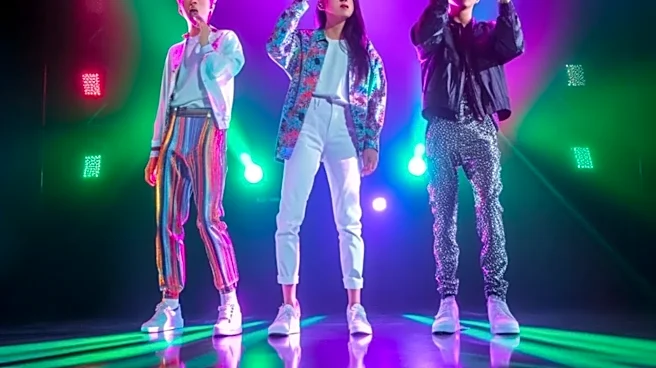
be a professionally shot video, an edit of various clips set to music, or any footage that isolates one person from their surroundings, allowing viewers to see exactly what their favorite artist was doing, every second. The style became a signature of K-pop fandoms on platforms like Twitter, where fans would post videos of their favorite group member—their "bias"—to promote them or simply to share a great performance. This tight, focused perspective allows for an intimacy and detail that a wide, official broadcast shot can never capture.
The ‘Economy’ Isn't Just About Money
When we talk about a fan-cam "economy," we're not just talking about direct payment, though that can be part of it through platforms like YouTube or TikTok. The real currency in this economy is attention and influence. Getting a fan-cam to go viral on social media is a status symbol for a fandom and a powerful promotional tool for an artist. Views, likes, and shares translate into cultural relevance. A viral clip can make an artist trend worldwide, drive up their streaming numbers, and catch the eye of brands and media outlets. This system operates as an unpaid, hyper-organized marketing army where devotion is converted into measurable impact. Fans aren't just consumers; they are active stakeholders who collectively invest their time and energy to boost their idol's career, turning passion into a powerful economic force.
How Fan-Cams Rewrote the VMA Playbook
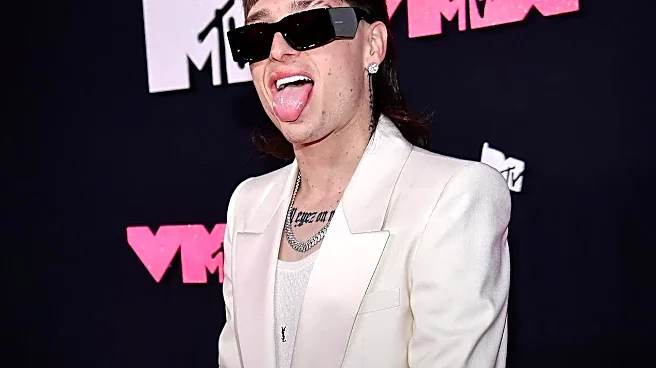
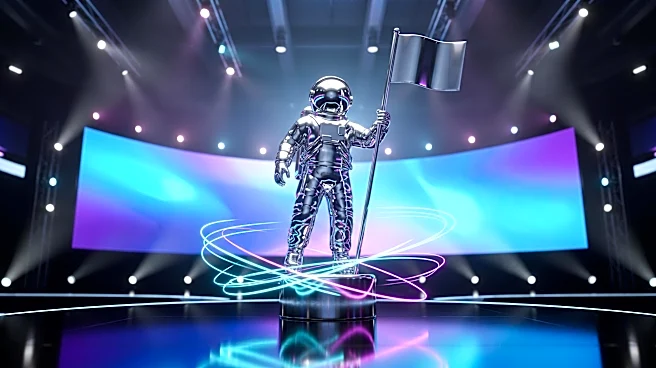
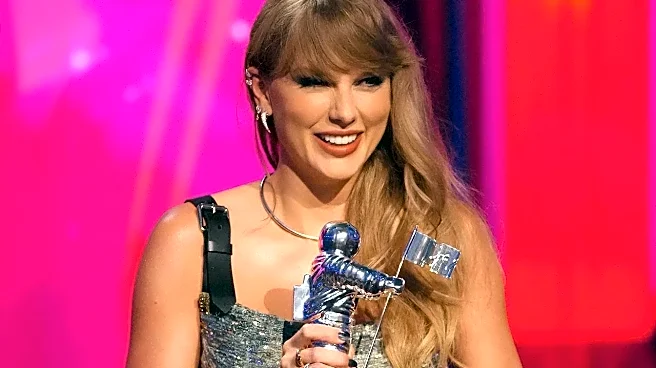
Award shows like the MTV Video Music Awards used to be a top-down affair. The network decided which performances to highlight and which audience reactions to show. Fan-cams blew that model apart. Now, the most talked-about VMA moments are often the ones the main broadcast barely caught. Think of a subtle, knowing glance between two artists in the audience, a backup dancer hitting a move with incredible precision, or an artist's genuine, unscripted reaction to a performance. These micro-moments are captured, isolated, and rapidly spread by fans online. While the official show might focus on the winner at the podium, the fan-cam network is dissecting every interaction happening in the background, creating an entirely separate, and often more interesting, narrative of the night. These clips become the event's real, lasting memories, shared as GIFs and memes long after the broadcast ends.
The Mainstream Catches On
What started as a niche fan practice has become so influential that the industry itself has taken notice. South Korean music shows began producing their own official, high-quality fan-cams for every group member, realizing they could generate millions of extra views. Now, even Western award shows are leaning into the trend, sometimes offering dedicated camera feeds focused on the celebrity audience. Labels and artists are increasingly aware that a single, fan-cam-friendly moment—a surprising interaction or a powerful pose—can do more for their profile than a traditional press release. However, this has also led to a more complicated landscape. The culture has been co-opted for online arguments, used to spam unrelated conversations, and even deployed for social activism, like when K-pop fans flooded racist hashtags with fan-cams to drown out hateful content. It's a testament to how this fan-made tool has become a versatile and powerful force online.