




1. The Perfect Shoulder Fit
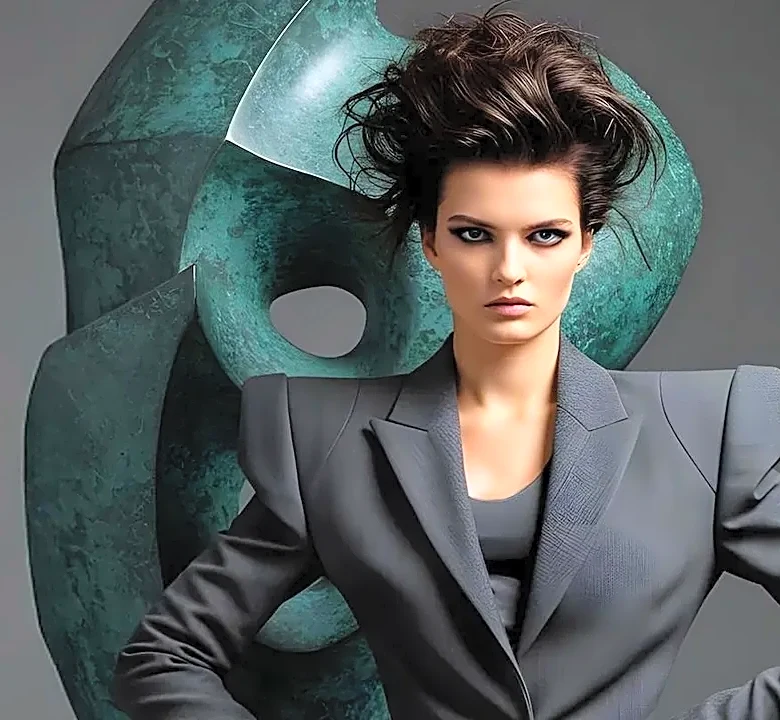
The single most important element of any jacket or blazer is how it fits across the shoulders. It’s the foundation that dictates how the rest of the garment hangs on your frame. A perfectly fitted shoulder seam should sit exactly where your natural shoulder ends.
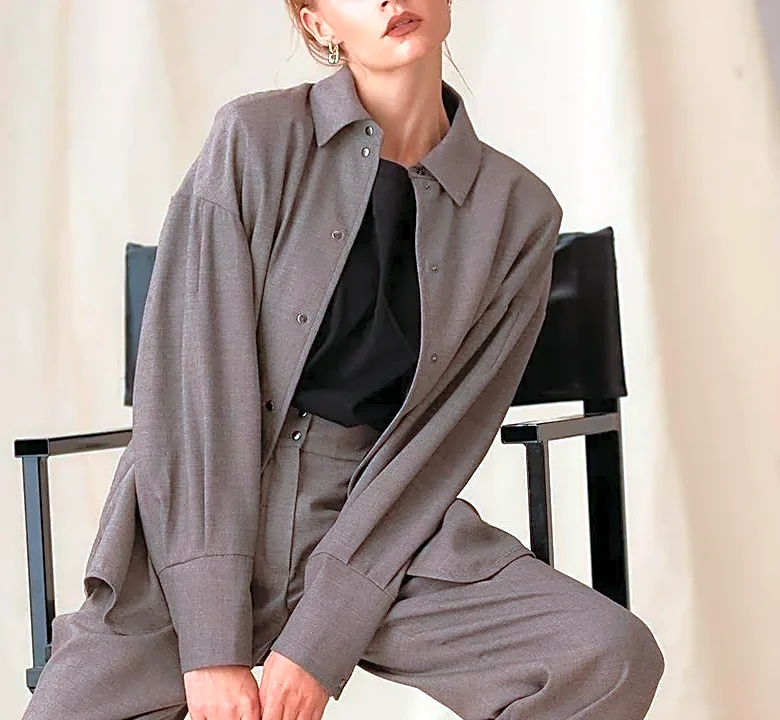
If the seam droops down your arm, the jacket is too big, creating a boxy, unflattering silhouette. If it sits too high, pulling toward your neck, it's too small and will restrict movement, causing the fabric to bunch up. This detail is critical because, unlike other parts of a suit, the shoulders are incredibly difficult for a tailor to alter. When you see WNBA stars stepping out in impeccably sharp blazers, their powerful and confident look starts here. A clean shoulder line creates a smooth, uninterrupted drape from the collar down to the sleeve, enhancing the wearer's posture and creating a polished aesthetic.
2. Just the Right Amount of Cuff
This is a small detail that makes a massive difference. The rule of thumb for a well-tailored jacket is to show about a quarter to a half-inch of the shirt cuff beneath the jacket sleeve. This isn't just an arbitrary style choice; it serves a purpose. Functionally, it protects the edge of the more expensive jacket from the oils and friction of your hands. Aesthetically, it creates a deliberate, finished look that signals attention to detail. When a jacket sleeve is too long and completely hides the shirt, it can make the arms look shorter and the entire outfit appear sloppy. Conversely, if the sleeve is too short and shows too much cuff, it can seem like the jacket is a size too small. Getting that perfect balance creates a crisp visual break and frames the hands, which is especially effective for those wearing a watch or bracelets. As you watch the players arrive in Chicago for the All-Star Game, notice how the sharpest dressers nail this proportion every time.
3. Understanding the Trouser Break
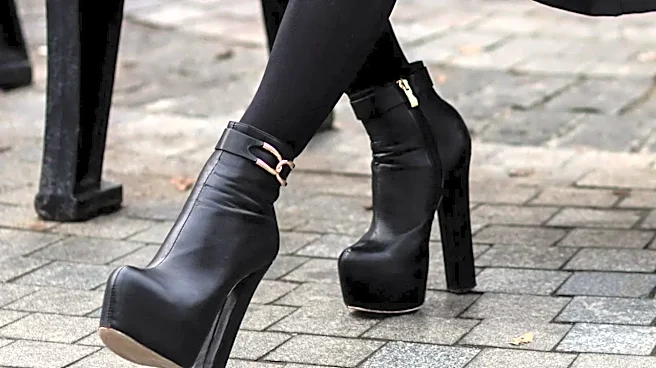
The “break” refers to the small horizontal fold or crease that forms at the bottom of your trousers where they meet your shoes. This detail can completely change the feel of an outfit. There are generally three main styles. A “no break” hem just grazes the top of the shoe, creating a sharp, clean, and modern line that's popular with slimmer trouser cuts. A “slight” or “half” break, often considered the most versatile and timeless option, features a small, subtle crease. It’s polished without being severe. A “full break” involves a more significant fold of fabric resting on the shoe, which lends a more traditional, classic feel, often seen with wider-leg trousers. The choice often comes down to personal style and the cut of the pants. For the sleek, athletic builds of WNBA players, a no-break or slight-break style often accentuates their long lines and showcases their coveted sneakers or dress shoes—a key part of the tunnel walk fashion phenomenon.
4. The Jacket Closure and Stance
The way a jacket closes—or is designed not to—is a key part of its silhouette. The “stance” of a jacket refers to the height of its top button. A higher stance can feel more formal and traditional, while a lower stance can create a more relaxed, elongated V-shape at the torso. With the jacket buttoned, there should be no significant pulling or creasing that forms an “X” shape; if there is, it's too tight. You should be able to slide a hand comfortably between your chest and the fastened jacket. Beyond the fit, the type of closure itself is a style statement. Many players opt for oversized blazers worn open, creating a flowing and powerful look. Others might choose a double-breasted jacket for a more structured, commanding presence. Even unconventional closures like toggles, single statement buttons, or hook-and-eye clasps can turn a simple jacket into a unique fashion piece.