





The Improbable Cinderella Story
Every March, America falls in love with a small school that defies all odds. You’ve seen a No. 15 seed like St. Peter's topple a blue-blood like Kentucky, or watched a VCU or George Mason make an unbelievable run to the Final Four. That sudden, collective
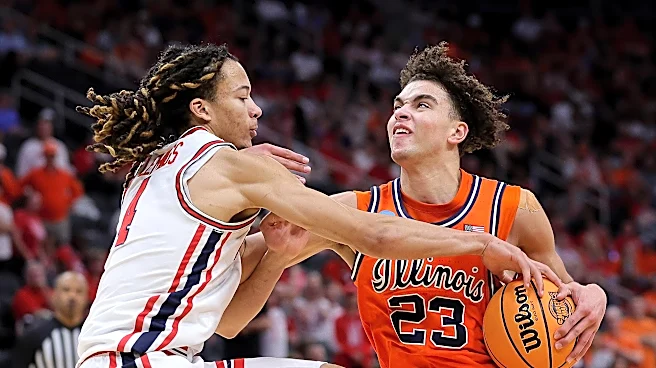
belief in the impossible? It’s the lifeblood of a World Cup. It’s Morocco in 2022, becoming the first African nation to reach the semifinals. It’s Costa Rica in 2014, topping a “Group of Death” with three former champions. The thrill of watching a team with no business being there tear up the bracket is a universal language, spoken fluently from a mid-major campus to a tiny nation stunning the globe.
The All-Consuming, Irrational Fan Pride
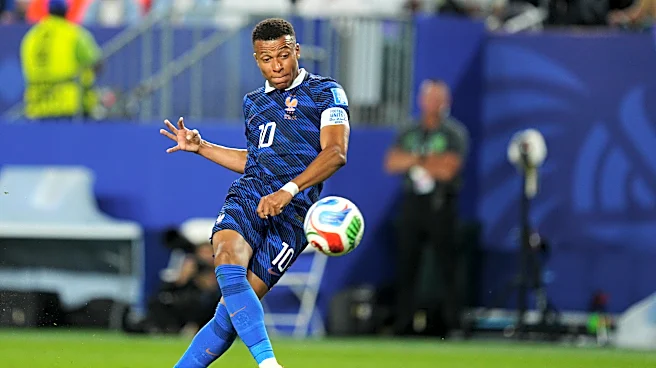
In college sports, your fandom is part of your identity. You didn’t just attend The Ohio State University; you are a Buckeye. Your Saturday isn't just for watching football; it's a sacred ritual tied to your school colors, your alumni association, and your hatred for Michigan. Now, scale that up to an entire country. When the U.S. Men’s National Team scores, it’s not just a goal for a team; it’s a goal for America. The flag-waving, the national anthems sung with tearful passion, the feeling that the team’s success is your success—it’s the same tribal devotion that fuels SEC football, just played out on a global stage. Your school pride is just a smaller dialect of the patriotism that defines international soccer.
The Hated (and Respected) Dynasty
For decades, college sports fans have learned to loathe the perpetual winners. The UConn Women’s basketball team, Nick Saban’s Alabama football machine, Coach K’s Duke Blue Devils. They are the benchmark, the empire, the team you love to see lose. In world soccer, these are the national teams of Germany, Brazil, and Italy. They show up with an aura of inevitability, a history of winning, and a roster of stars. They aren't just teams; they're institutions. Rooting against them is a global pastime, just as rooting against Duke is a national one. And when they finally fall, the collective joy is palpable, whether it’s an unranked team upsetting ‘Bama or a plucky underdog knocking out the German national team.
Heartbreak in a Single, Brutal Moment
You know the feeling. The missed 40-yard field goal as time expires. The buzzer-beating three-pointer that shatters your team’s championship dreams. It’s a sudden, gut-wrenching finality that leaves you staring into space. Now, meet the penalty shootout. After 120 minutes of grueling play, a team’s fate is decided by five one-on-one shots from 12 yards away. It’s a crucible of pressure that has no true equivalent in American pro sports but feels intimately familiar to the college fan who has lived through a single play deciding an entire season. The tension, the hope, and the abrupt, soul-crushing despair of a missed kick is a feeling you’ve already mastered.
The Superstar Chasing a Legacy
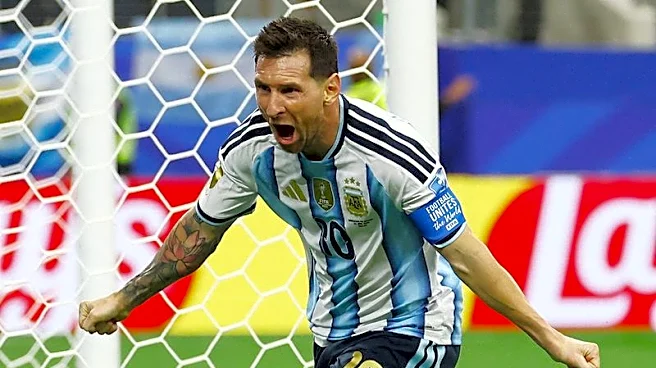
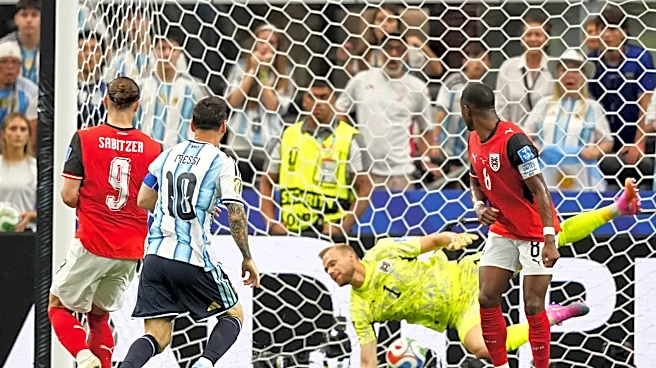
College sports are filled with stories of a generational talent trying to cap their career with the one thing they're missing: a championship. Think of Caitlin Clark’s historic run with Iowa, trying to secure that elusive national title. It’s the same narrative that drives soccer cups. For years, the world watched Lionel Messi, arguably the greatest player ever, try to win a World Cup for Argentina, the one trophy that would cement his legacy. The pressure on one player to deliver for their team, school, or entire nation is a powerful, recurring storyline. It's the weight of expectation that turns great players into legends—or tragic heroes.
The Controversial Call and Its Aftermath
Was he in-bounds? Did the ball cross the line? Was that pass interference? Debating a referee's call for days, weeks, or even years is a cornerstone of college football fandom. Questionable officiating becomes folklore, fueling rivalries and conspiracy theories. Welcome to the world of VAR (Video Assistant Referee). Every major soccer tournament features moments of intense scrutiny over a handball, an offside decision, or a red card that will be debated in pubs and on social media across continents. The feeling that your team was “robbed” by a bad call is a fundamental part of the fan experience, no matter the shape of the ball.