



More Than Just a Photo Op
Not long ago, a celebrity at a major sporting event felt like a calculated PR move—a brief appearance for the cameras before retreating to a sanitized, private suite. But something has shifted. Today, we see A-listers not just attending, but investing.
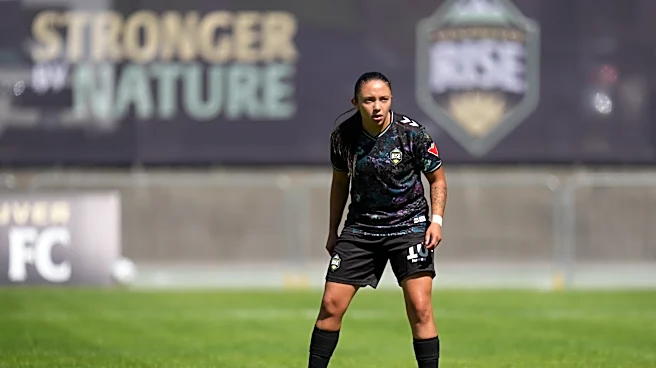
We’re in an era where actors like Ryan Reynolds and Rob McElhenney pour their fortunes and souls into a Welsh soccer team, Wrexham, and are captured in tears, utterly overcome by a promotion victory. Natalie Portman didn't just show up to a game; she co-founded a team, Angel City FC, creating a new hub for women's soccer in Los Angeles. This isn't passive viewership; it's active, emotional participation. When a world-famous actor is seen frantically pacing in the final minutes of a knockout match, it’s clear this is more than a simple photo opportunity. It’s the engrossing, nerve-shredding reality of true fandom, playing out in public.
The Great Equalizer
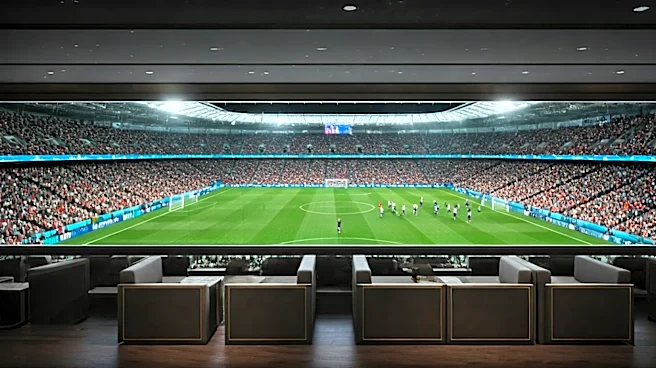
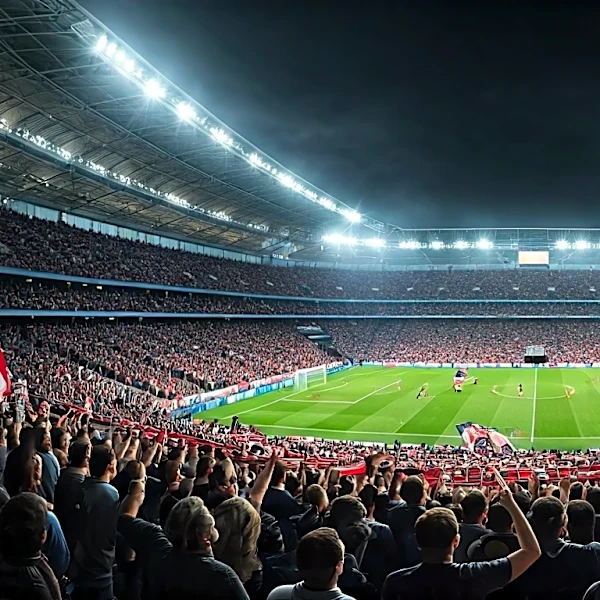
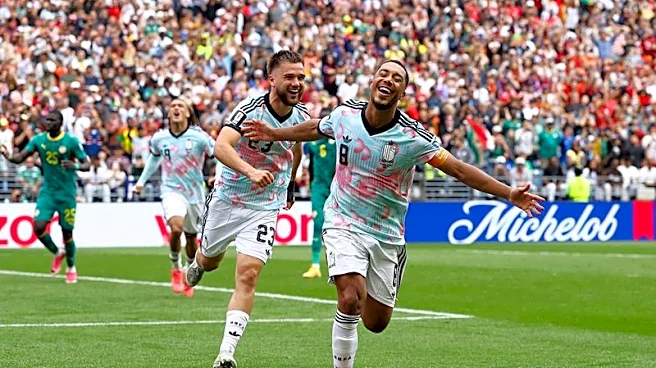
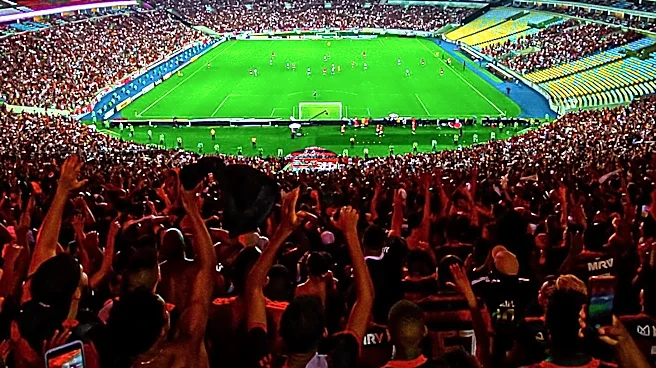
There are few forces in modern culture as leveling as a high-stakes soccer match. For 90 minutes, plus stoppage time, the hierarchies of fame and fortune dissolve. In that shared, electric tension, the Oscar-winning director in the luxury box is experiencing the same gut-wrenching anxiety as the fan who saved for years to afford a ticket in the nosebleeds. The shared agony of a missed penalty or the collective, explosive joy of a last-minute goal unites everyone. A soccer stadium becomes a temporary, classless society bound by a single, desperate hope. Seeing a celebrity who normally seems untouchable scream with frustration or leap out of their seat in pure elation serves as a powerful reminder of this shared humanity. They aren't performing; they are reacting, stripped of their usual composure by the primal drama unfolding on the pitch.
A Bridge for the American Audience
For many Americans, soccer’s global dominance can feel like a party they weren't invited to. It’s a sport that, despite its growing popularity, still competes with the traditional giants of American football, basketball, and baseball. This is where celebrity emotion becomes a crucial cultural bridge. When U.S. audiences see Matthew McConaughey, Austin FC's "Minister of Culture," banging a drum and chanting with the crowd, or Will Ferrell decked out in LAFC gear, it translates the sport’s passion into a familiar language. It signals that this is a phenomenon worth caring about. It gives the uninitiated an entry point, reframing the event not as a foreign spectacle, but as a universal human experience. The celebrity’s authentic passion acts as a co-sign, telling millions of American viewers, “It’s okay to get this invested. It’s worth it.”
Authenticity in a Curated World
In a world of carefully curated Instagram feeds and meticulously managed public personas, the unscripted chaos of a live soccer match is a truth serum. A celebrity can control their image on a red carpet, but it’s nearly impossible to fake the visceral, involuntary reaction to a game-winning goal in the 93rd minute. We spend our days scrolling past polished, pre-approved content, and then we tune into the Soccer Cup and see a famous face contorted in genuine, unvarnished despair or ecstasy. This is the appeal. It’s a glimpse behind the curtain, a moment of authenticity that feels increasingly rare. Even if it lasts only for a moment, that flash of real, unchecked emotion is what makes the entire global spectacle feel grounded, relatable, and, above all, wonderfully human.