







The Race Against the Clock
The first thing to understand about halftime is that it's a frantic race against a shrinking clock. In the NFL, halftime is just 13 minutes. By the time players and coaches travel from the field to the locker room—a journey that can involve ramps or even
golf carts for coaches coming from the press box—valuable minutes are already gone. Players might have only a few moments to use the restroom, get looked at by trainers, or grab a quick snack before the real work begins. The entire operational window for actual adjustments might be as short as eight minutes, making efficiency paramount.
The Data-Driven Diagnosis
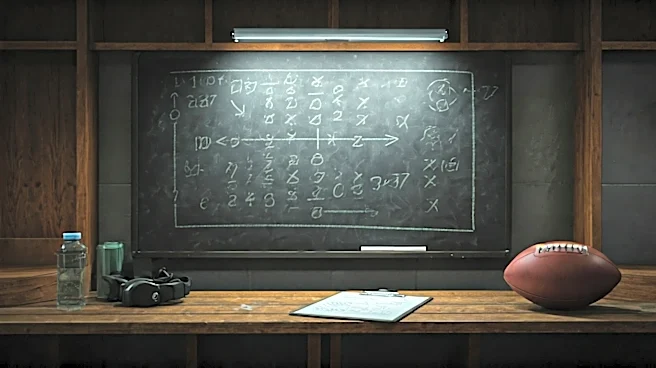
While players catch their breath, the coaching staff is already deep in analysis. Assistants in the press box, who have a bird's-eye view of the game, have been identifying tendencies and patterns throughout the first half. They communicate these findings to the coaches on the field, often sending down diagrams or charts to be put on a whiteboard. This isn't about watching full-game film; there's simply no time. Instead, they might use still photos or quickly review a few key plays on tablets to diagnose what’s going wrong or what weaknesses can be exploited. Coaches will also get crucial feedback directly from the players, asking what they're seeing on the field and what's giving them trouble.
The Tactical Chess Match
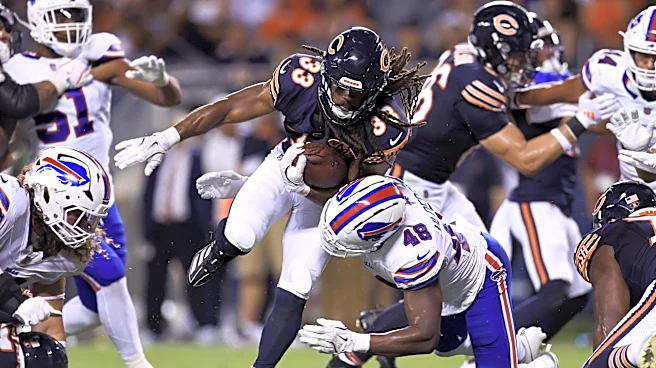
This is the core of halftime: turning diagnosis into an actionable plan. Adjustments are rarely a complete overhaul of the game plan; instead, they are specific, targeted tweaks. In football, this could mean changing a blocking scheme to handle a disruptive defensive lineman or altering pass routes to attack a weak spot in the secondary. In soccer or basketball, it might involve a formation change to gain control of the midfield or a new defensive strategy to shut down the opponent's star player. The goal is to provide clarity, not complexity. Effective coaches focus on one or two major adjustments that will make the biggest difference, ensuring the message is simple enough for players to absorb and execute under pressure.
The Psychological Reset
Beyond the X's and O's, halftime is a critical mental reset. A coach’s demeanor sets the tone. While Hollywood loves the inspirational, rah-rah speech, research suggests that expressing some form of dissatisfaction can be highly effective. A study in the Journal of Applied Psychology found that the more negative emotion a coach displayed at halftime, the better the team often performed in the second half, even if they were already winning. The message isn't just about anger; it's about resetting standards and reminding a team, 'We can play better.' However, the talk must be genuine, and it's often a mix of holding players accountable and instilling belief for the final push. It’s about letting go of first-half mistakes and creating a fresh start.
From Whiteboard to Second Half
In the final minutes, the head coach brings everyone together to deliver the unified message. They will outline the key changes, assign responsibilities, and set the emotional tone for the rest of the game. It’s a rapid-fire session where information has to be conveyed with absolute clarity. Then, just as quickly as it began, it's over. Players return to the field with a few minutes to spare to warm up and get their legs moving again. The success of a halftime isn't just in the quality of the adjustments, but in the players' ability to process and implement them, turning a frantic 15-minute meeting into a second-half victory.