







The 'Obligatory History Lesson' Trap
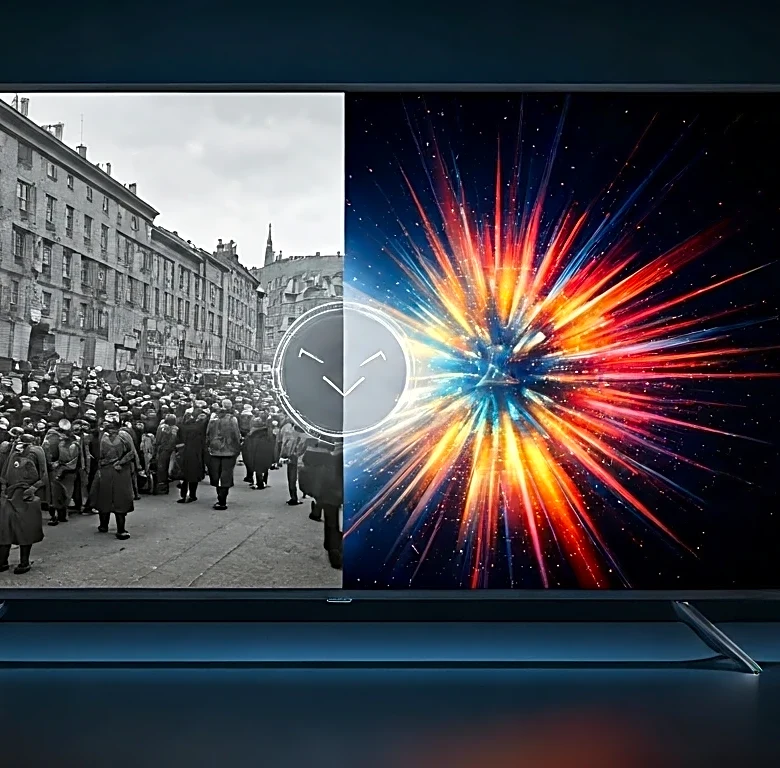
You know the format. It usually opens with a somber, generic montage of historical photos set to a pensive score. A serious-voiced narrator begins: “On June 19th, 1865…” What follows is often a dry recitation of facts, dates, and locations. It’s accurate,
well-intentioned, and utterly devoid of the vibrant, complex, and resilient spirit of the holiday itself. This is the “homework” approach to Juneteenth TV. It’s television born from a sense of obligation, treating a pivotal moment in American history not as a story to be told, but as a checklist of facts to be delivered. The goal seems to be informational correctness above all else, ensuring that no historical detail is left unturned, even if it means burying the audience in a textbook-style lecture. The problem is, good television—even educational television—is rarely about a simple data transfer. It’s about making an audience *feel* something.
Why Solemnity Can Miss the Point
The impulse toward solemnity is understandable. The history of slavery and emancipation in the United States is fraught with immense pain and injustice. No one wants to be accused of making light of that trauma. But in the rush to be respectful, many creators overcorrect, stripping their programming of the very things that define the Juneteenth holiday for the communities that have celebrated it for generations: joy, fellowship, food, music, and defiant celebration. Juneteenth isn't a funeral for slavery; it's a birthday party for freedom. When TV specials present it only through the lens of gravitas and historical tragedy, they miss the point. They flatten a multi-faceted cultural event into a one-dimensional history lesson. This approach not only makes for boring television but also unintentionally patronizes the audience, assuming they can only handle one emotional note at a time. It also does a disservice to the historical figures themselves, who were full human beings who found ways to experience joy and build community even under the most horrific circumstances.
When It Works: Embracing Joy and Specificity
So what does successful Juneteenth programming look like? It looks less like a Ken Burns documentary and more like an episode of FX’s `Atlanta`. The show’s Emmy-winning “Juneteenth” episode is a masterclass in how to do it right. Instead of a lecture, it offers a surreal, satirical, and deeply insightful story about navigating the commercialization and performative aspects of the holiday. It’s funny, uncomfortable, and brilliant. It doesn't teach you the date Major General Gordon Granger arrived in Galveston; it makes you feel the awkwardness and complexity of Black identity in modern America. Similarly, episodes of `black-ish` have succeeded by grounding the history in a specific, relatable family dynamic. The holiday becomes a catalyst for character-driven stories about legacy, identity, and what it means to celebrate freedom. The key in these successful examples is specificity. They aren't trying to tell the *entire* story of Juneteenth. They are telling *a* story, one filled with flawed, funny, and relatable people grappling with its meaning.
The Difference Between a Lesson and a Story
Ultimately, the failure of “homework” TV comes down to a fundamental misunderstanding of the medium. The goal shouldn’t be to simply educate, but to engage. A history lesson gives you facts. A story gives you a reason to care about them. A lesson tells you that enslaved people in Texas were freed two and a half years after the Emancipation Proclamation. A story introduces you to a character who has waited their entire life for that news and lets you witness the explosion of relief, joy, and uncertainty that follows. One is information; the other is art. Art is what sticks with us. Art is what changes hearts and minds. For Juneteenth programming to truly succeed and honor the spirit of the day, it must trust its audience to handle complexity and its storytellers to find the humanity within the history. It must trade the podium for the front porch, the lecture for the celebration.