




Anatomy of a Draft-Night Misfire
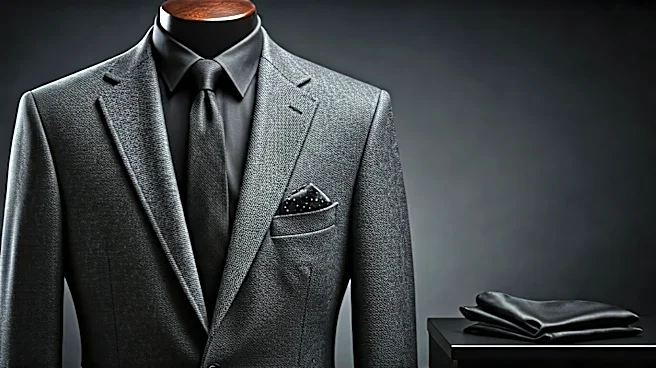
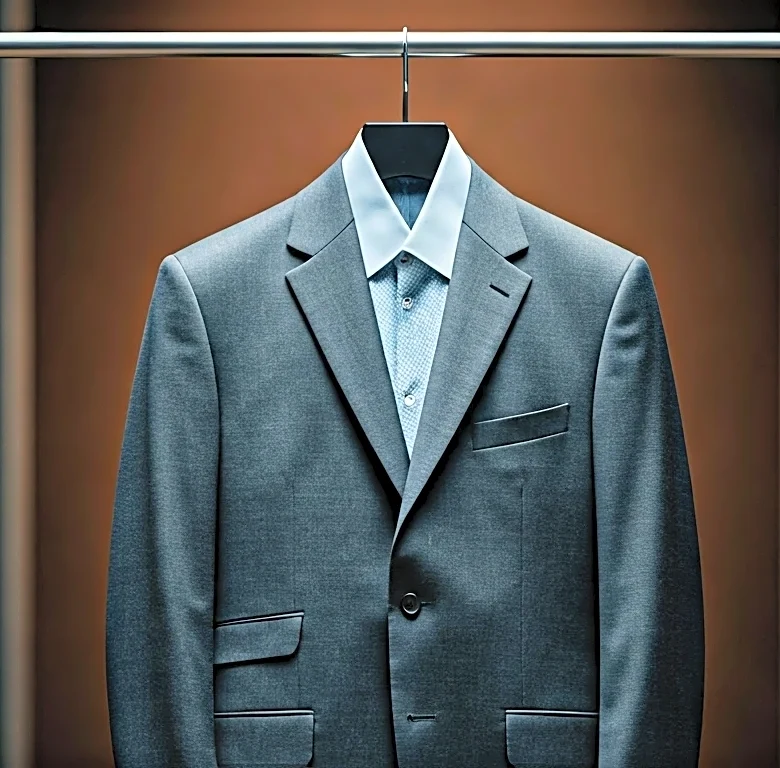
You’ve seen it dozens of times, even if you couldn’t quite put your finger on it. A future superstar, often standing well over six-foot-five, walks across the stage in a dazzling, custom-tailored suit. The jacket fits perfectly across the shoulders. The color
pops under the stage lights. But as your eyes travel down, the elegance dissolves. The pants seem to collapse into a messy pile on top of a pair of shoes that look… large. Not just large because the athlete is a big person, but disproportionately bulky, clunky, or elongated. This is the shoe proportion mistake in its natural habitat. It’s a visual fumble that makes a lean, athletic frame look bottom-heavy and a bespoke suit look like a rental. Instead of a clean, sharp line from waist to floor, you get a silhouette that stumbles at the finish line. The entire look, no matter how expensive or well-intentioned, is instantly downgraded by what’s happening at the ankles.
The Real Problem Starts with the Pants
While the shoes get the blame, the first offender is often the trousers. In classic menswear, the way trousers meet the shoes is called the “break.” A full break means the pant leg has a significant fold as it rests on the shoe. A medium or slight break has a gentler fold. No break means the hem just skims the top of the shoe, creating a sharp, unbroken line. For decades, the trend for modern, athletic suiting has been a shorter, cleaner hem—either a slight break or no break at all. This elongates the leg and works with the slim-cut suits that are currently in style. The draft-night mistake is an egregious, unintentional full break, often called “puddling” or “pooling.” When the pants are too long, the excess fabric has nowhere to go but down and out, creating a messy accordion effect. This immediately makes the wearer look shorter and sloppier. It also draws all the attention downward to the very shoes that are about to compound the felony.
Then Come the Clunky Shoes
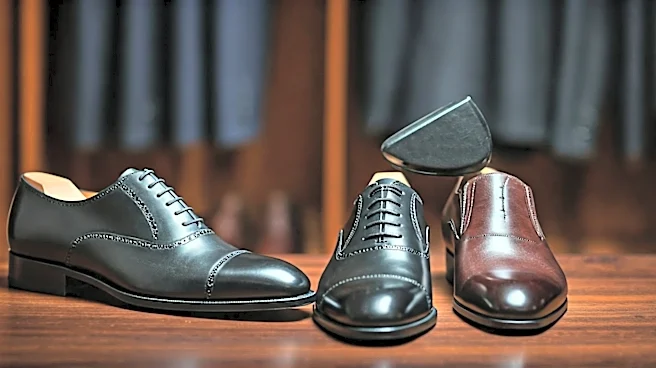
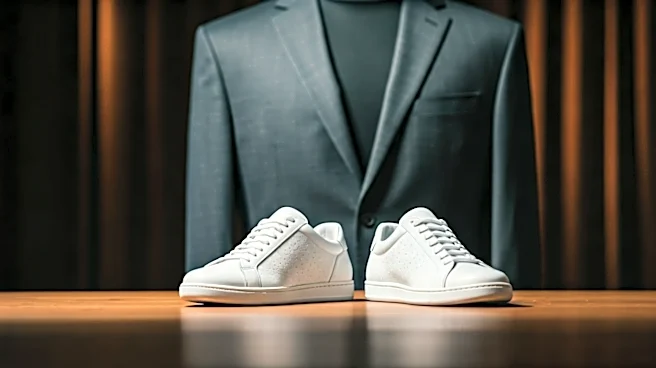
Now for the main event. A suit is a system of proportions. A slim-cut suit with a clean pant line requires a sleek shoe to complete the look. The shoe should have a streamlined silhouette, a relatively thin sole, and a toe box that isn’t overly square or elongated. The mistake we see on draft night is pairing a modern suit with a shoe that feels like it belongs to a different era or a different outfit entirely. These are often chunky loafers, boxy dress shoes, or designs with thick, heavy soles that add visual weight. The result is a jarring disconnect. The sleek suit says “modern athlete,” while the clunky shoe says “corporate dad from 1998.” This is especially noticeable on athletes who wear large shoe sizes. While finding a size 15+ dress shoe is already a challenge, many of the available options prioritize sturdy construction over elegant design, leading to these bulky choices that throw the entire fit out of balance. It’s like putting monster truck tires on a Formula 1 car.
Why Does This Keep Happening?
There isn’t one single culprit, but rather a perfect storm of factors. First, many young athletes are more versed in sneaker culture than formalwear. In the world of Jordans and Yeezys, a bulkier, more substantial shoe is often a status symbol. That instinct doesn't always translate well to the world of oxfords and loafers. Second is the issue of styling and tailoring. Getting a suit right for an exceptionally tall, athletic build is hard, and last-minute adjustments are common. Trousers might be left intentionally long out of caution, but never properly hemmed for the specific shoes being worn. Finally, there's the simple matter of bad advice or a focus on comfort. After years in athletic gear, a pair of stiff dress shoes can feel like a torture device, and a player might opt for a larger or wider size for comfort, not realizing the aesthetic cost. They’re thinking about the life-changing handshake, not the quarter-inch of pant break.