


The Anatomy of a Perfect Catchphrase
Not every memorable line is destined for immortality. For a quote to truly catch fire, it needs a potent cocktail of simplicity, context, and delivery. Think of Arnold Schwarzenegger’s deadpan, five-syllable promise: “I’ll be back.” It’s short, universally
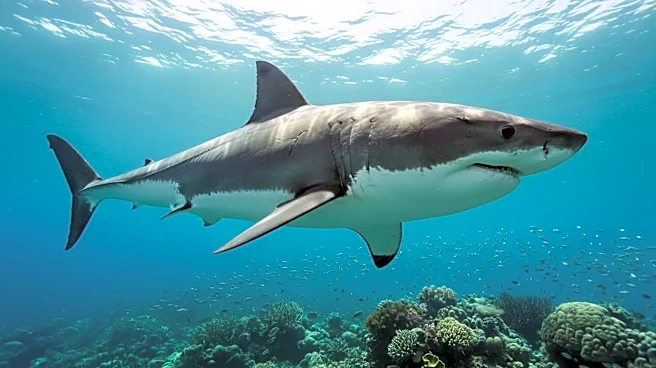
applicable, and delivered with an unforgettable robotic stoicism. The same goes for “You’re gonna need a bigger boat” from "Jaws." The line itself isn’t poetry, but in the context of a giant shark appearing, it’s a masterful piece of understatement that audiences can borrow for any moment of being overwhelmed. Research suggests these phrases act as an emotional and social shorthand. They encapsulate a complex feeling—dread, confidence, humor—into a neat, repeatable package. The best ones are often versatile, able to be dropped into a conversation completely unrelated to the film, yet still understood by anyone in on the joke.
The Summer Blockbuster Effect
Summer movies are the perfect incubator for this phenomenon. Unlike a niche indie film, a summer blockbuster is a mass cultural event. Millions of people see the same movie within the same few weeks, creating a vast, temporary community. This shared experience is the foundation upon which public rituals are built. When you quote a line from the summer’s biggest hit, you’re not just repeating dialogue; you’re tapping into a recent, collective memory. It’s a signal to others that you are part of the same cultural moment. These films are often built around high-stakes, emotionally charged moments that burn lines into our brains. The communal laughter in a packed theater or the collective gasp during a shocking twist physically and mentally reinforces the dialogue, making it more likely to be recalled and repeated later.
The Social Payoff of a Perfect Quote
So why do we feel the urge to quote movies? Psychologists and sociologists point to a basic human need for connection. Dropping a movie quote into a conversation is a low-risk, high-reward social bid. If the other person recognizes it, you’ve instantly established common ground. It’s a quick, clever shorthand for bonding. You're signaling that you share similar tastes, a similar sense of humor, and belong to the same generational tribe. In a way, it’s a secret language that isn't so secret. For decades, theorists speculated that quoting movies was a way to avoid intimacy or express true feelings, but more recent thinking suggests it's actually a sign of good communication. It shows you're on the same wavelength without having to have a deep, personal conversation, creating a bond, however small.
From Repetition to Digital Remix
In the past, a catchphrase spread through word-of-mouth, slowly becoming a part of the lexicon. Today, the internet and social media have turned this process into an immediate, explosive chain reaction. A line from a Friday night premiere can be a global meme by Saturday morning. It’s no longer just about repetition; it’s about transformation. A catchphrase is now the raw material for GIFs, TikTok videos, and endless Twitter jokes. Social media provides the platform for this rapid evolution, allowing users to not only repeat a line but to remix it, re-contextualize it, and apply it to everything from politics to their own daily annoyances. This digital life extends the relevance of a catchphrase far beyond its cinematic origins, turning it from a simple quote into a versatile and ever-changing piece of public culture.