




The Viral Initiation Rite
For years, the most anticipated part of a Sabrina Carpenter show was the end of her song "Nonsense." What started as a fun idea between her and her sister became a viral phenomenon: a unique, often risqué, and always clever outro customized for every
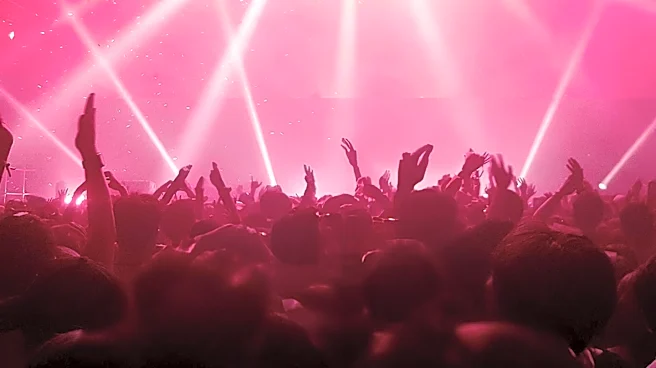
city and event. This tradition served as a perfect entry point for casual fans. You didn't need to know her entire discography to get the joke. Seeing a few clips on social media was enough to understand the format, turning each performance into a highly anticipated, shareable moment. The punchlines, full of double entendres and local references, made everyone feel like they were in on a massive inside joke. It was a low-stakes, high-reward ritual that transformed passive listening into active participation.
A Masterclass in Modern Banter
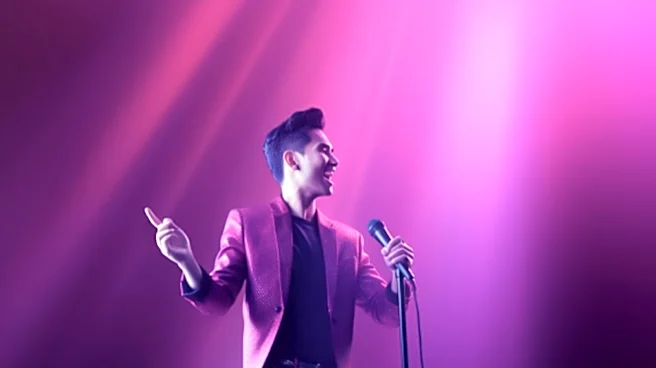
Beyond a single song, Carpenter's entire stage presence is built on creating a connection that makes massive arenas feel intimate. She is relentlessly interactive, pausing her meticulously choreographed shows to chat with the crowd, single out fans, and react to the unexpected with playful humor. Whether she's jokingly putting a handsome fan "under arrest for being too hot" or reacting with wide-eyed surprise to a fan screaming her name, she cultivates an atmosphere of spontaneity. This conversational style is a departure from the highly polished, wall-to-wall performance of many pop acts. It gives the impression of a shared experience rather than a one-way broadcast, making the audience feel seen and heard.
The Evolution of the Inside Joke
While the famous "Nonsense" outros have been playfully retired on her latest 'Short n' Sweet' tour—a move she announced with a theatrical "technical difficulties" gag—the spirit of interaction remains. Carpenter understands that a shared inside joke is a powerful tool for community building. The retirement of one tradition simply makes way for new ones. Fans now speculate that specific choreography moments in other songs, like "Juno," might become the new interactive focal point. This evolution shows a savvy understanding of modern fandom: she keeps the audience guessing, ensuring that there's always a new reason to pay close attention and share discoveries online.
Turning Viewers into Participants
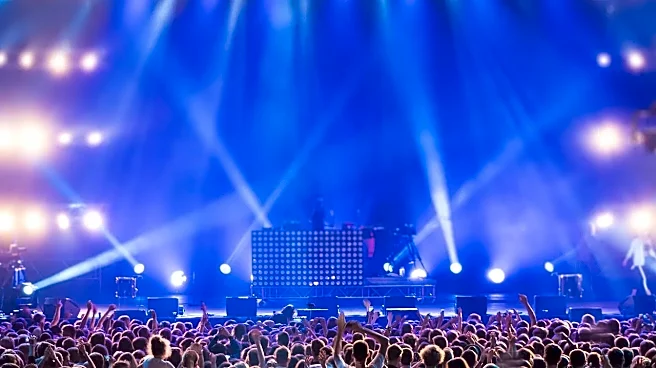
Ultimately, Carpenter’s stagecraft is a lesson in how to build a broad and engaged fanbase in the social media age. Her concerts are designed to be experienced both in person and online, creating a powerful feedback loop. A funny ad-lib or a memorable interaction quickly becomes a viral clip, teaching newcomers the "rules" of being a Sabrina Carpenter fan. They learn the chants, anticipate the interactive moments, and arrive at the next show ready to play along. In a festival setting, where artists have to fight for the divided attention of a diverse crowd, this strategy is incredibly effective. She doesn't just perform for the audience; she creates a framework where everyone is invited to perform with her, turning even the most casual festivalgoer into an active, engaged participant.