


A Return With a Clear Mission
When a beloved show goes off the air, its return is always freighted with expectation. After years of silence, the comeback of Hip Hop Honors felt different—less like a simple revival and more like a necessary course correction. The show, which historically
celebrated the architects of the culture, had been praised for valuing significance over sales figures. Its absence left a void in mainstream media for the thoughtful celebration of hip-hop's legacy. So when it returned, the producers didn’t just dust off the old format. Instead, they came back with a sharp, specific focus that addressed years of cultural conversation. The decision was clear: this wasn't going to be a random collection of tributes but a focused look at two of the most vital, and sometimes overlooked, pillars of the genre’s golden age.
Giving the Queens Their Crowns
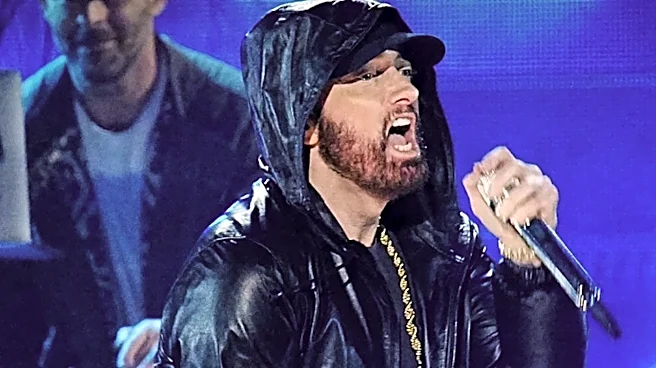
The most significant shift was the unapologetic centering of women. Previous iterations had honored female artists like Salt-N-Pepa and Missy Elliott, but this comeback was framed as a grand tribute titled 'All Hail the Queens'. Honorees like Queen Latifah and Lil' Kim weren't just given a segment; they were the very foundation of the evening. The show became a venue to finally give flowers to the fore-mothers who broke down barriers in a notoriously male-dominated industry. Performers from multiple generations took the stage, not just to sing the hits, but to embody the spirit of the women they were honoring. A powerful performance of Queen Latifah's "U.N.I.T.Y." brought together a stage full of female MCs from different eras, creating a visual testament to their collective legacy. This focus transformed the show from a simple broadcast into a powerful act of historical acknowledgment, celebrating women who redefined femininity, sexuality, and power in hip-hop.
More Than Just '90s Nostalgia
Pairing the women-led focus with a deep dive into the 1990s was a stroke of genius. The '90s are often seen as hip-hop's most innovative and commercially explosive decade, a time when the genre solidified its place at the center of global culture. A subsequent show, dubbed 'The '90s Game Changers,' honored figures who defined the era, from artists like Mariah Carey and Missy Elliott to director Hype Williams and the sitcom 'Martin,' which was a crucial platform for hip-hop artists. The event leaned into the aesthetics—the fashion, the sounds, the unmistakable energy—but it was more than a simple nostalgia play. It was an argument for the '90s as a foundational period where many of the night's honored women did their most groundbreaking work. By weaving these themes together, the show illustrated how the contributions of artists like Lil' Kim, Missy Elliott, and Queen Latifah were not just important for women in rap, but were central to the entire genre's evolution during its most pivotal decade.
The New Blueprint for Legacy
Ultimately, the rebooted Hip Hop Honors did more than just hand out trophies. It provided a new blueprint for how legacy can be celebrated with purpose. In an era of fleeting trends and disposable hits, the show made a compelling case for looking back, not just with fondness, but with a critical eye toward who gets remembered and why. By consciously shifting gears to spotlight the queens and the decade that minted them, the event re-established its own relevance. It wasn't just a tribute to the past; it was an active participant in the present-day conversation about representation and historical accuracy in music. The message was clear: you can't understand the hip-hop of today without giving proper, focused, and undivided credit to the women who built its foundation and the '90s ecosystem in which they thrived.