


Defining ‘Intellectual Eveningwear’
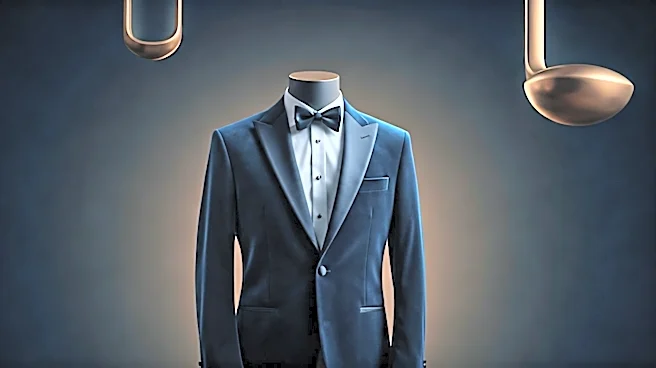
First, let’s define our terms. ‘Intellectual eveningwear’ isn’t about wearing glasses and carrying a leather-bound book as an accessory. It’s a fashion sensibility that prioritizes thoughtful design, impeccable tailoring, and luxurious, understated fabrics
over sparkle and spectacle. Think less fairytale ballgown, more architectural column dress. It’s the sartorial equivalent of a perfectly crafted independent film: nuanced, layered, and confident enough not to scream for your attention. Key elements include unconventional silhouettes, muted or monochrome color palettes, and a distinct lack of fussy embellishment. Instead of a cascade of sequins, the 'wow' factor comes from a razor-sharp shoulder, an interesting drape of fabric, or the surprising pairing of wide-leg trousers with a minimalist bustier. It’s a style championed by designers like The Row, Khaite, and Proenza Schouler—brands that whisper luxury rather than shout it. The wearers look powerful and self-possessed, as if they got dressed for themselves first and the cameras second.
The Tribeca Difference: Art Over Glitz
So, why Tribeca? Unlike the Academy Awards or the Cannes Film Festival, which are monuments to Hollywood glamour, Tribeca has always cultivated a different energy. Born in the wake of 9/11 to revitalize Lower Manhattan, its spirit is rooted in resilience, artistry, and a certain New York cool. It’s a festival for filmmakers, writers, and actors who often operate outside the mainstream studio system. The vibe is less about being a movie star and more about being an artist. This environment naturally fosters a different kind of red carpet. The pressure to deliver a traffic-stopping, hyper-feminine 'princess moment' is dialed way down. Instead, attendees are free to express a more personal, cerebral style. It’s a space where a perfectly tailored suit on a woman doesn’t feel like a statement, but a natural choice. The downtown Manhattan setting also plays a role; this is the city of black clothes, clean lines, and a practical-chic aesthetic that feels worlds away from the sun-drenched fantasy of Hollywood.
Case Studies from the Carpet
Look at the festival’s style icons and the pattern becomes clear. Katie Holmes, a perennial Tribeca attendee, is the unofficial queen of this look. Year after year, she demonstrates the power of elevated basics, from pairing wide-leg jeans with a blazer and crochet top to sporting simple, elegant slip dresses. Her looks feel approachable yet deeply chic, as if she could have walked straight from a gallery opening to the premiere. But she's not alone. We've seen stars like Greta Lee in subtly powerful Loewe, or Christy Turlington in a timeless black suit. Actors and directors arrive in outfits that telegraph confidence through structure and form. It might be a deconstructed trench coat worn as a dress, a fluid jumpsuit in an earthy tone, or a crisp white shirt paired with a dramatic, floor-sweeping skirt. These aren't just outfits; they are curated compositions that feel both modern and enduring. They communicate a sense of purpose and intelligence.
A Style for the 'Quiet Luxury' Era
The rise of this aesthetic at Tribeca isn't happening in a vacuum. It perfectly aligns with the broader cultural shift towards 'quiet luxury' and a post-pandemic desire for authenticity. After years of chasing fleeting micro-trends fueled by social media, many are now drawn to the idea of investment pieces and a more considered, sustainable approach to style. Intellectual eveningwear is the red-carpet extension of this philosophy. It rejects the notion that glamour must be loud, expensive-looking, and disposable. Instead, it suggests that true style is about substance, confidence, and a point of view. It’s a look that requires a certain self-assurance to pull off precisely because it doesn't rely on obvious tricks. It’s for the person who is more interested in the conversation than the camera flash—a perfect fit for a festival that has always put storytelling first.