



The Unique Pressure Cooker of a Film Festival
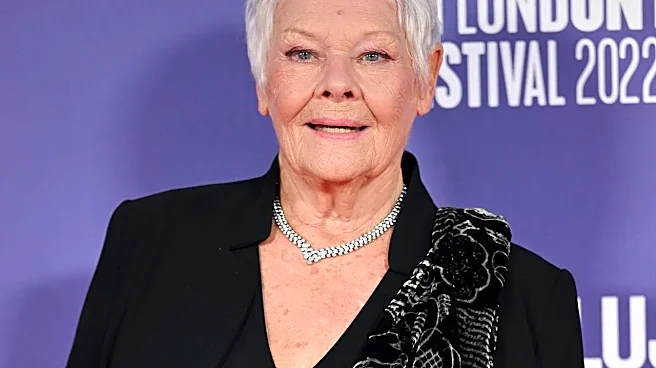
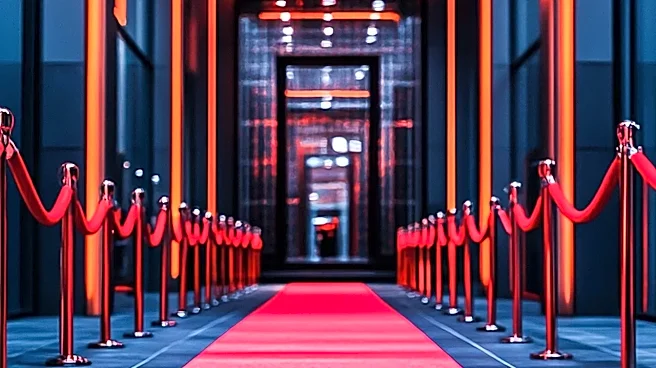
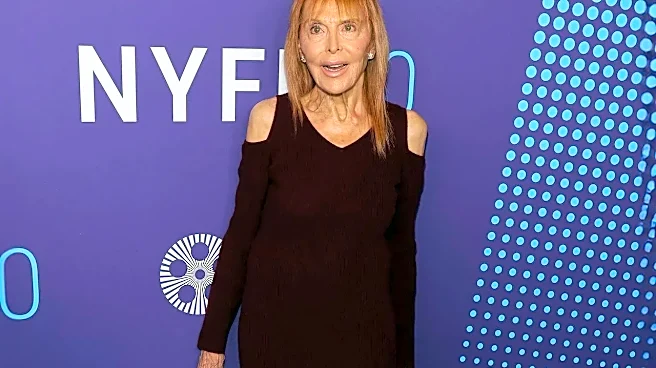
Imagine the entire film industry—critics, studio executives, stars, agents, and the most passionate moviegoers—crammed into one city for just eleven days. That’s TIFF. Unlike a wide theatrical release where marketing campaigns unfold over months, a festival
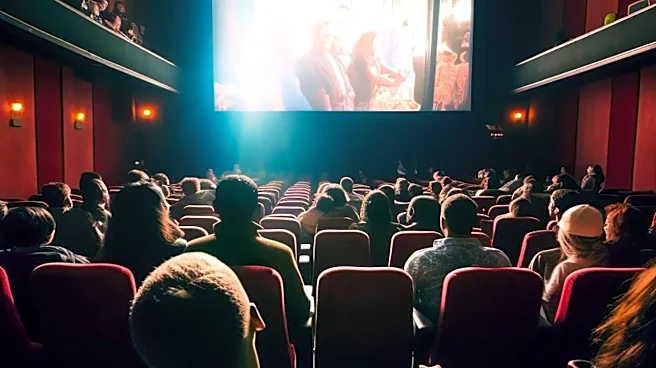
operates on an accelerated timeline. A film premieres, and within hours, its fate can begin to solidify. The environment is a potent mix of sleep deprivation, artistic passion, and high-stakes commerce. In this bubble, traditional advertising has little power. There are no Super Bowl commercials or massive billboard campaigns that can sway the immediate, visceral reaction of a festival audience emerging from a theater. The conversation is happening in real-time, in theater lobbies, on rain-slicked Toronto streets, and across social media, making it an incredibly potent, and sometimes volatile, launchpad.
The Three Tiers of Festival Buzz
Not all word of mouth is created equal. At TIFF, the buzz operates on three interconnected levels. First, there are the critics. Their initial reviews, fired off late at night, can instantly frame a film as a masterpiece or a misfire, setting the initial narrative. Second is the industry chatter. This is the talk between sales agents and distributors, the hushed conversations about which films are sparking bidding wars and which stars are delivering career-best performances. This buzz determines a film's commercial future. Finally, and perhaps most powerfully at TIFF, is the audience. The festival is renowned for its public-facing nature and its prestigious People's Choice Award, which is voted on by regular attendees. This award is famously considered an Oscars bellwether, having gone to future Best Picture winners like "Green Book," "Nomadland," and "Slumdog Millionaire." A win here proves a film connects with real people, a signal that can be far more valuable than a dozen five-star reviews from critics.
From Standing Ovation to Awards Season Gold
The journey from a September premiere in Toronto to the Oscar stage in March is a well-trodden path. A strong reception at TIFF is the starting gun for any serious awards campaign. A lengthy standing ovation, reports of audience members weeping in their seats, or the emergence of a dark horse contender can generate millions of dollars in free media. It creates a narrative of momentum and discovery that is irresistible to Oscar voters and the public alike. Films like "The King's Speech" and "12 Years a Slave" were massively boosted by their People's Choice wins. This phenomenon happens because people trust people more than they trust advertisements. A recommendation from a friend, or the collective roar of approval from thousands of festival-goers, feels more authentic and trustworthy than a perfectly crafted trailer. It’s the difference between being sold something and being let in on a secret.
When Buzz Can't Be Bought
Conversely, history is littered with films that arrived at TIFF with huge budgets and major stars, only to falter when the word of mouth turned sour. A clunky script, a misjudged tone, or a story that simply doesn't connect with viewers can't be hidden in the intense scrutiny of the festival environment. No amount of marketing can fix a bad movie, and at TIFF, that verdict is delivered swiftly and mercilessly. The festival serves as the ultimate equalizer. A small, independent film with no marketing budget can become the talk of the town overnight, while a studio blockbuster can see its Oscar hopes evaporate before the closing credits. It's a powerful reminder that while marketing can get people into the theater, only the film itself can make them talk, and in the world of cinema, that conversation is everything.