




The Clock Is Always Ticking
To a fan, a music festival is a two- or three-day affair. You show up, see your favorite artists, and go home. But for producers, the event is a weeks-long marathon where every single hour costs money. 'Downtime' isn't just the quiet period overnight;
it's any time the festival isn't actively generating revenue from ticket-holders, but is still accruing massive operational costs. This includes the multiple days or even weeks of load-in and setup before the gates open, and the several days of teardown after the last fan leaves. During these periods, the festival site is a full-blown construction zone, and the meter is always running.
The High Cost of Silence
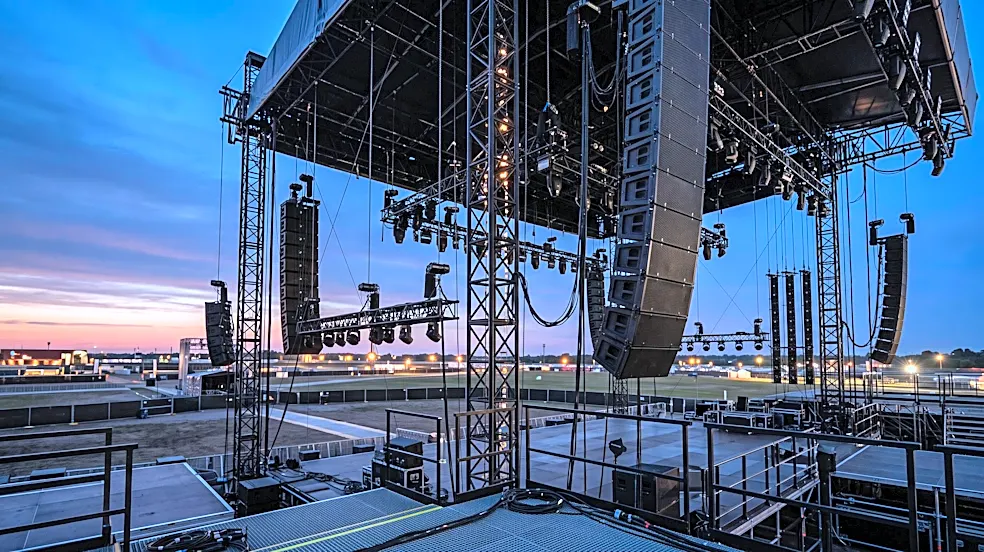
What, exactly, costs so much when nothing is seemingly happening? First, there's equipment rental. A massive stage for a headliner can cost over $100,000 to rent, and that price is often by the day or week, not by the performance. The same goes for hundreds of lighting fixtures, massive speaker arrays, miles of fencing, and the powerful generators needed to run it all—which can cost hundreds or thousands of dollars per day. Then there's labor. Production crews, especially those belonging to unions like IATSE, have strict rules about hourly pay, overtime, and meal breaks. A stagehand working an overnight shift to prepare for the next day's show is earning premium pay. Security personnel are also required 24/7 to protect the millions of dollars of equipment on site. These costs are fixed and relentless; they don't stop just because the music has.
The Camp Flog Gnaw Equation
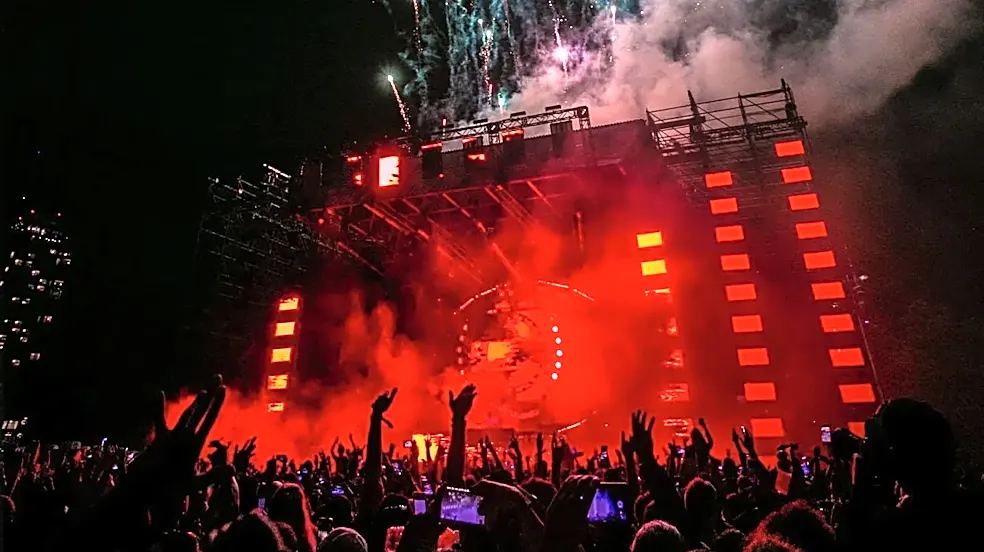
Now consider Camp Flog Gnaw specifically. Held at Dodger Stadium, it isn't just a collection of stages; it's an immersive experience curated by its founder, Tyler, the Creator. This means carnival rides, custom art installations, and meticulously designed stage productions that reflect a specific creative vision. These bespoke elements add another layer of complexity and cost. Custom-fabricated stages and unique visual elements require more specialized labor, longer setup times, and therefore, more expensive downtime. That signature 'Flog Gnaw' aesthetic, which is key to its brand and a major draw for attendees, is also a significant driver of its production budget, making efficient use of time absolutely critical.
Minimizing the Bleed
So how do organizers fight back against the ever-ticking clock? The entire production schedule is a complex logistical puzzle designed to minimize this financial 'bleed'. Production managers create hyper-detailed schedules that coordinate dozens of vendors and hundreds of crew members, sequencing tasks to ensure no time is wasted. For instance, one crew might be building the substructure of a secondary stage while the lighting and audio for the main stage are being loaded in. Extending a festival by another day can be a smart financial move if the primary costs are in the initial setup. The additional ticket and concession revenue from an extra day can often far outweigh the marginal cost of keeping the operation running, effectively turning potential downtime into profitable uptime. It's a high-stakes balancing act where every hour saved is thousands of dollars earned.