






The Run of Show: An Air Traffic Controller's Job
Before the first celebrity walks the red carpet, producers have spent months creating the show's bible: the “run of show.” This is a minute-by-minute, sometimes second-by-second, document that scripts the entire night. It details every performance, award
presentation, commercial break, and presenter monologue. The executive producers, like the veteran Jesse Ignjatovic of Den of Thieves, act as air traffic controllers for a high-stakes flight. Their job is to map out an emotional and energetic arc for the evening, ensuring that the show starts hot, maintains its energy, and ends with a bang.
The High-Stakes Opening Act
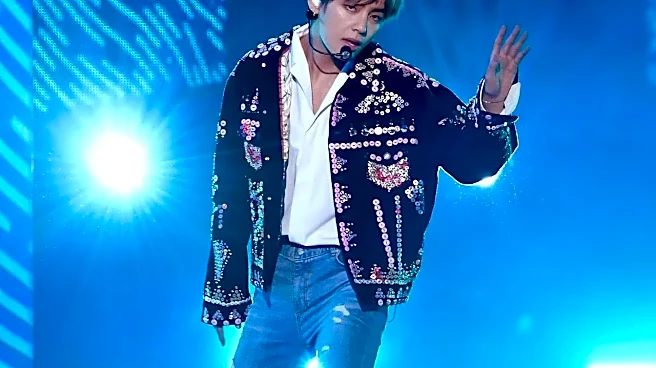
The opening number is the VMA’s mission statement for the year. It needs to be explosive, visually stunning, and culturally relevant. Often, it's a massive star, but not always the night's biggest winner. The goal is to set an energetic precedent. For instance, a high-octane performance is designed to grab the audience immediately. These opening acts are often complex productions, rehearsed for days to ensure every lighting cue and firework blast happens exactly on schedule. It’s the show’s first big push of adrenaline, designed to promise viewers that this is a night they won't want to miss.
The Art of the Ebb and Flow
A three-hour show can't be all explosive performances. Producers must strategically weave in lower-energy moments to let the audience breathe and to build anticipation. This is the art of pacing. High-energy dance numbers are often followed by a less-hyped award category or a heartfelt acceptance speech. These moments aren’t just filler; they’re crucial for momentum. They also serve a practical purpose: giving the crew precious minutes to completely transform the stage for the next massive performance. While one artist is giving their speech, a small army of stagehands is working furiously just out of sight.
The Puzzle of Staging and Logistics
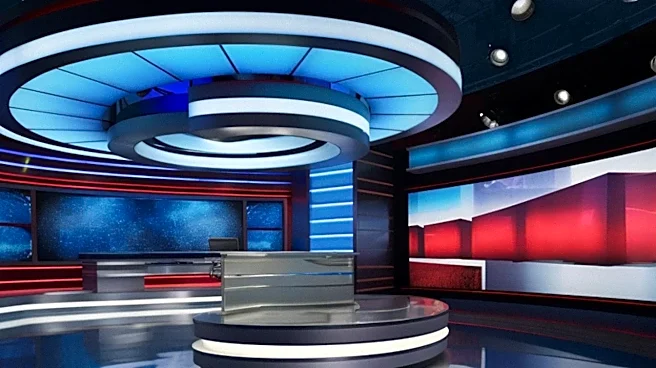
The sheer logistics of a VMA-level production are staggering, involving hundreds of thousands of pounds of equipment and weeks of on-site construction. Many recent VMAs have used multiple stages to solve a key logistical problem: how to avoid dead air. While a massive, elaborate set for one artist is being broken down, another performance can happen on a different, pre-set stage. This keeps the show moving at a relentless pace. An award presentation or a pre-taped video package can provide the perfect cover for a 15-minute set change that might involve assembling props that were built in the arena parking lot just hours before.
Manufacturing Spontaneity
The VMAs are famous for moments you can't script, from shocking interruptions to surprise baby bump reveals. While producers can't plan for a specific viral event, they can create an environment where the unexpected is more likely to happen. This is what producer Jesse Ignjatovic calls the “unexpected craziness” that is unique to the VMAs. It comes from bringing the right mix of personalities into one room, giving artists creative freedom with their performances, and fostering an anything-can-happen energy. The show runs on a slight tape delay, giving producers a safety net of a few seconds to handle any truly chaotic moments before they hit the airwaves.
Sticking the Landing
How a show ends is just as important as how it begins. The final performance slot is typically reserved for a major icon or the artist who has unequivocally defined the year. This final act is the show’s crescendo, meant to be the lasting impression viewers take away. It could be the recipient of the Video Vanguard Award or a medley from the Video of the Year winner. The goal is to send the audience—both in the arena and at home—out on a high, capping off the meticulously planned chaos with one last, unforgettable spectacle.