




The Scale of the Kingdom
The most obvious difference is the one you can see on a map. An NBA star carries a city or a region; a soccer superstar carries a nation. When Jalen Brunson led the New York Knicks to their first NBA championship in 53 years, he was rightfully hailed
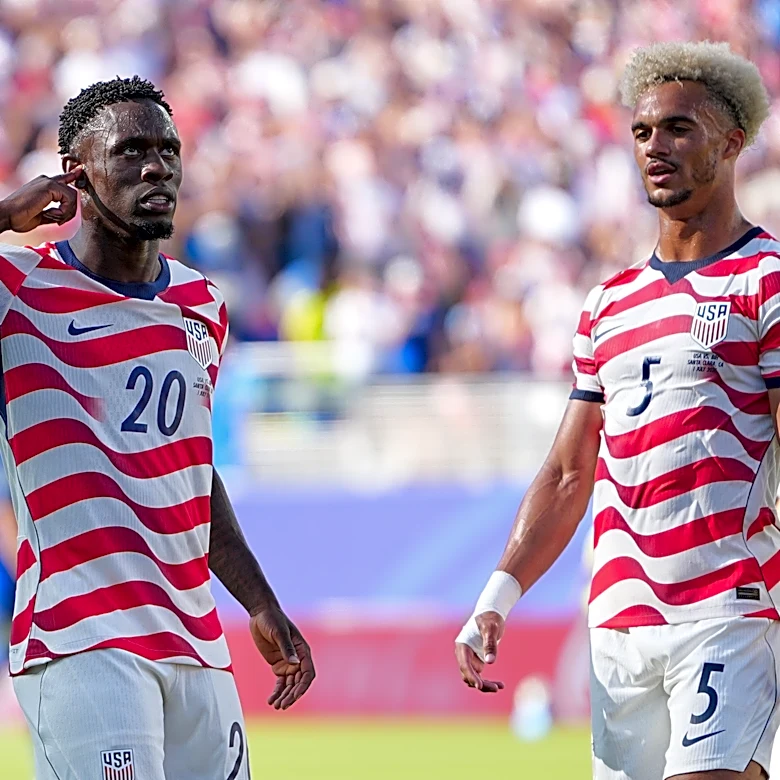
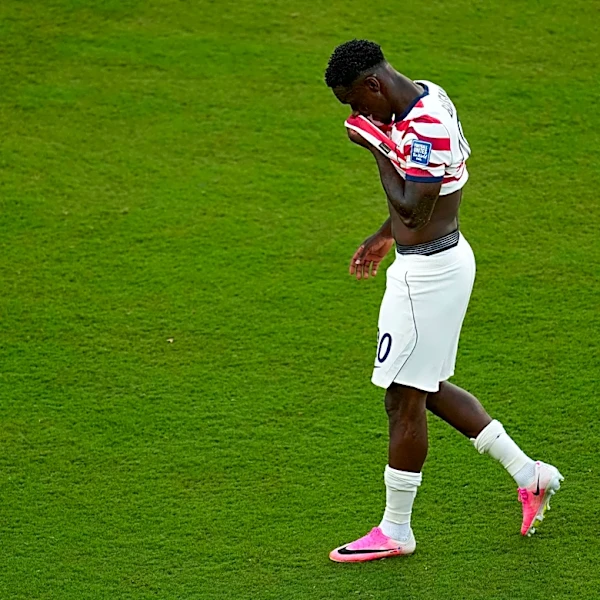
as the King of New York, a city of 8 million. The narrative is one of civic pride, commercial value, and ending a long-suffering franchise's drought. But when a soccer star like Lionel Messi or Cristiano Ronaldo steps onto the pitch at a World Cup, they are carrying the weight of an entire country's history, politics, and identity. The World Cup is not just a sporting event; it's a global cultural phenomenon that happens only once every four years, creating an unbearable level of anticipation. A victory isn't just for the fans of a team; it's a moment of national validation that brings millions into the streets, unifying a country in a way no club or franchise ever could.
The Structure of Power
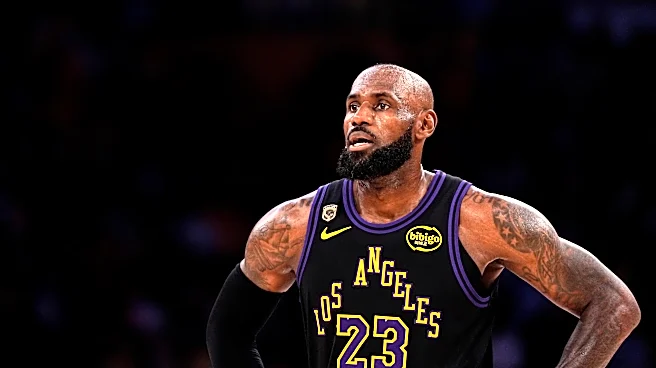
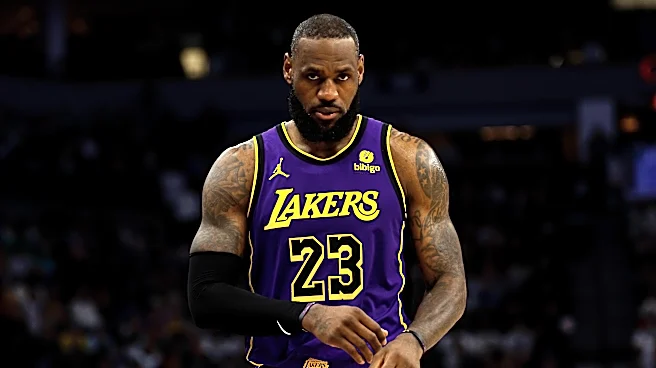
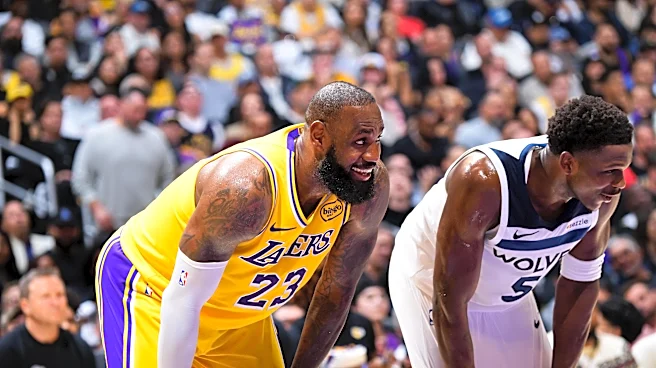
Here’s where the comparison gets really interesting. In the modern NBA, the superstar is often the most powerful person in the organization. The era of "player empowerment" has seen top players like LeBron James and Kevin Durant act as de facto general managers, influencing trades, coaching hires, and roster construction. They are system-creators, and the franchise bends to their will, surrounding them with the pieces they need to succeed. A soccer star on a national team has almost no such power. The team is selected by a national federation and a manager. The player is, in essence, a hired gun for their country. They can't demand a trade to a national team with better defenders or lobby to have a certain striker brought into the squad. They must work with the talent their country produces, for better or worse. This creates a fundamentally different kind of pressure: an NBA star carries the burden of their own choices, while a soccer star carries the burden of their nation's circumstances.
The Cadence of Pressure
The NBA season is a grueling annual grind. If a team falls short, the refrain is almost immediate: "We'll run it back next year." The NBA Finals happen every single June. For a soccer star, the ultimate prize—the World Cup—comes only once every four years. A player might only get three or four realistic chances at it in their entire career. Each tournament becomes a do-or-die scenario, a singular opportunity that, if missed, is gone for a long, unforgiving period. There are no seven-game series to bail you out of one bad night; a single mistake in a knockout game can end the dream for an entire generation of players and fans. This creates a desperate, almost existential pressure that is unique to international tournament football. A loss in the NBA Finals is heartbreaking; a knockout-stage loss at the World Cup can feel like a national tragedy.
The Nature of the Legacy
Ultimately, the two burdens forge different kinds of legacies. In the United States, the debate over the greatest basketball player of all time is almost exclusively centered on NBA championships. An Olympic gold medal is a nice addition to the trophy case, but it's the rings that count. For a global soccer icon, it's the opposite. A player can win countless league titles and Champions League trophies with their wealthy club, but their career will feel incomplete to many without a World Cup. It is the one prize that elevates a player from a mere athletic great to a national hero, a figure of myth and legend for their homeland. While Jalen Brunson’s MVP performance brought joy and relief to a city, a World Cup hero delivers a moment of collective euphoria and historical significance to an entire nation.