





The Invisible Man of Fashion
To understand the refusal, you first have to understand the man—or rather, his absence. Martin Margiela, a Belgian designer who founded his Paris-based house in 1988, built his entire brand on the principle of anonymity. He never gave face-to-face interviews,
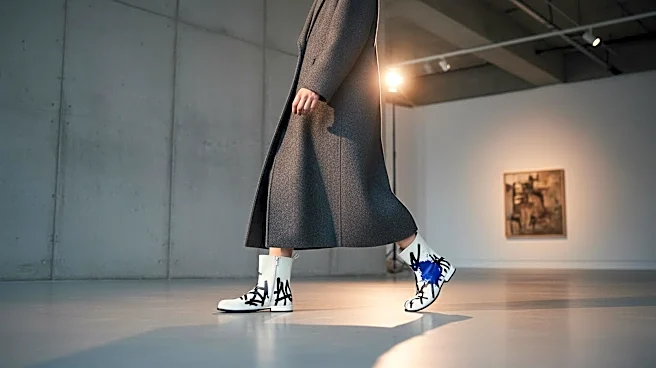
was never publicly photographed, and communicated with the media exclusively through fax. His philosophy was a rebellion against the celebrity-obsessed fashion system of the 80s and 90s. The clothes were the stars. The staff wore uniform white lab coats, and the brand’s iconic label was a simple piece of white cloth held by four visible stitches, devoid of any name or logo. This wasn’t just a gimmick; it was a deeply held belief that the work should speak for itself, free from the cult of personality. His designs were deconstructed, avant-garde, and often made from repurposed materials, challenging the very idea of luxury.
The Inevitable Crossroads
By the early 2000s, Maison Martin Margiela was a critical darling, revered for its intellectual and artistic purity. But critical acclaim doesn't always translate to financial stability. Running an independent, avant-garde fashion house is an expensive endeavor. The need for capital brought the brand to a crossroads faced by many creative ventures: sell a piece of the soul to secure the future, or risk fading away. In 2002, Renzo Rosso, the founder of Diesel and head of the OTB (Only The Brave) group, acquired a majority stake in the company. Rosso saw the potential in the brand's unique identity, while Margiela, according to Rosso, sought a partner who would understand his vision, unlike other major conglomerates. However, this partnership set the stage for a fundamental conflict between Margiela's anti-commercial ethos and the growth-oriented demands of a corporate parent.
A Deal That Cost a Soul
The headline's "refusal" wasn't a single, dramatic moment of turning down a briefcase of cash. It was a gradual, philosophical rejection of the path the acquisition laid out. Margiela became increasingly uncomfortable with the growing commercial pressures. The demands of the global market—for more collections, more accessible products, and a more visible brand presence—ran counter to everything he stood for. He had built a brand on hidden stores, no advertising, and the "thrill of the wait" for new, surprising creations. The new ownership, while providing stability, naturally pushed for expansion and profitability that threatened to dilute the brand's enigmatic core. Margiela felt he was becoming an artistic director in his own company, a manager rather than a creator, which deeply bothered him. His refusal was a quiet retreat from a system he could no longer reconcile with his principles.
The Ghost in the Machine
By 2008, the whispers became official: Martin Margiela had silently exited his own brand, leaving without a final bow or a public farewell. He later stated he could no longer cope with the increasing pressure and the demands of trade. The ultimate act of his philosophy of anonymity was to become truly invisible. The house, however, thrived under OTB. With the financial backing of a conglomerate and a new design team, it grew into a global powerhouse. The controversial but brilliant John Galliano was appointed creative director in 2014, bringing a new era of theatricality and commercial success that Margiela himself likely would have resisted. The brand that once prided itself on having no logos now sells logo-emblazoned hoodies and highly profitable fragrances. Margiela got the wealth he initially turned down, but the founder had to sacrifice his place within it to preserve his vision.