






More Than a Horse Race
For over 300 years, Royal Ascot has been a cornerstone of the British social calendar. Founded by Queen Anne in 1711, it’s arguably the most prestigious horse racing event in the world, known for its close ties to the Royal Family, who arrive each day
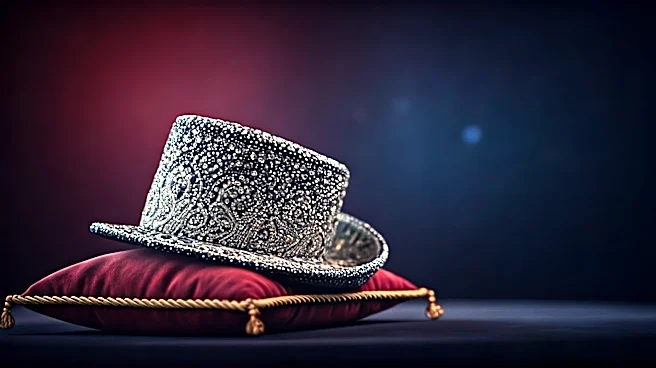
in a horse-drawn carriage procession. But for a global audience, the horses are often secondary. The real main event is the fashion. Ascot is governed by a notoriously strict dress code, which varies by enclosure. In the Royal Enclosure, for instance, women are required to wear dresses of a modest length and hats with a solid base of at least four inches, while men must don a full morning suit—grey or black—complete with a waistcoat, tie, and top hat. This sartorial rulebook, far from being a stuffy relic, has become the secret ingredient to its modern viral success. It creates a formal, high-stakes framework that encourages creativity within constraint, turning the lawn into a real-life runway.
Enter Lady Whistledown
So, why now? Why, in an era of casual streetwear and algorithm-driven trends, is this formal British event captivating a massive American and international audience online? The answer can be summed up in one word: *Bridgerton*. The Shonda Rhimes-produced Netflix mega-hit transported millions of viewers into a hyper-stylized, romanticized version of Regency-era London. It wasn’t a history lesson; it was a fantasy of courtship, scandal, and, above all, spectacular fashion. The show created a global appetite for what is now called "Regencycore": empire-waist gowns, delicate gloves, elaborate updos, and, crucially, statement headpieces. *Bridgerton* primed us to see the appeal in formal pageantry. It reframed structured, historical dress not as costume, but as aspirational glamour. Suddenly, the pomp and circumstance of Royal Ascot didn't look old-fashioned; it looked like a scene straight out of a beloved TV show. The event provides a real-world stage for the fantasy *Bridgerton* sold us.
The Anatomy of a Viral Look
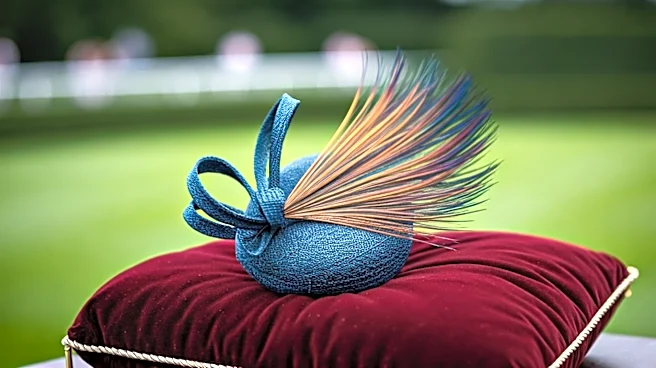
The fashion of Royal Ascot is perfectly engineered for the digital age. In a sea of endless, skippable content, a sculptural, gravity-defying hat is a scroll-stopper. The more outlandish, artistic, or beautiful the headpiece, the more likely it is to be captured, shared, and debated. This visual drama is catnip for platforms like Instagram and TikTok. Attendees aren't just dressing for the Queen; they're dressing for the algorithm. The event has become a live-action theater of personal branding. We see "Get Ready With Me" videos showcasing the intricate process of assembling an Ascot-appropriate look, and "Outfit of the Day" posts where the manicured lawns serve as the perfect envy-inducing backdrop. The strict dress code provides the narrative tension: Can you be creative while still following the rules? This dynamic transforms attendees from mere spectators into active participants in a global fashion story, one that plays out in real-time across millions of screens.
Old Rules, New Players
While the Royal Family still anchors the event, the cast of characters driving its viral fame has expanded dramatically. It’s no longer just about duchesses and European aristocrats. It's about the celebrities, fashion editors, and influencers who now flock to Berkshire each June. Their presence bridges the gap between the insular world of the British upper class and the global pop-culture landscape. When a well-known actress or a popular TikTok creator shows up in a bespoke Philip Treacy hat, it translates the event for their followers. They make it feel accessible and relevant. Royal Ascot has masterfully balanced its heritage with this new reality. It maintains its exclusive, aspirational quality while simultaneously welcoming the modern mechanisms of fame. The traditions provide the gravitas, but the new players provide the reach, ensuring its cultural relevance doesn't fade.