





The Illusion of Simplicity
On a runway dominated by spectacle, a perfectly plain white shirt or a seamless black dress can feel like a moment of calm. But this simplicity is a carefully constructed illusion. Brands like The Row and Hermès have built their reputations on this principle,
where the absence of loud prints and logos forces the focus onto the garment itself. In minimalist design, there's nowhere to hide flaws. Removing unnecessary elements paradoxically demands more sophisticated thinking because every single detail—every line, every curve—must justify its existence. It’s a philosophy of reduction that elevates a garment from mere clothing to an object of precise, intentional design. The goal is a piece that feels inevitable and effortless, a state that is anything but easy to achieve.
It Begins with the Cut
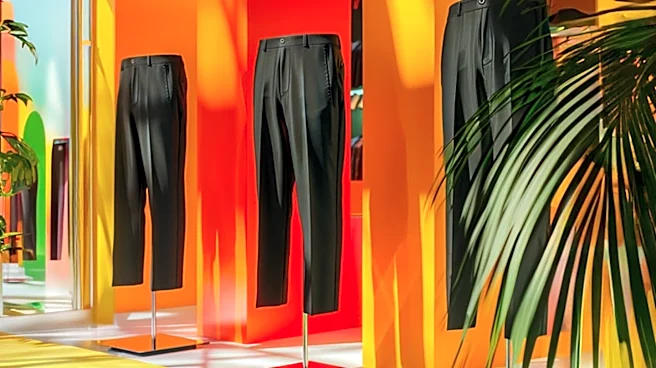
In a simple garment, the architecture is everything. A minimalist piece lives or dies by its pattern, the blueprint that dictates how a flat piece of fabric will transform to fit a three-dimensional body. Without the distraction of embellishments, the cut becomes the main event. Consider the exacting proportions of a straight-leg trouser or the subtle curve of a coat's shoulder. Achieving that perfect line requires an intense understanding of geometry and how different materials behave. Designers might spend weeks refining a single sleeve to ensure it hangs just right. Cutting fabric on the bias (at a 45-degree angle) to create a beautiful, fluid drape is a notoriously difficult technique that offers little room for error. This is where design becomes engineering, and the couturier acts as an architect for the body.
A Masterclass in Material
When a design is stripped to its essence, the material has to perform. The quality of the fabric—its weight, texture, and drape—does the heavy lifting. A minimalist cashmere sweater from a house like The Row isn't just a sweater; it's a study in the finest fibers, spun to a specific weight to create a perfect silhouette. Similarly, the “quiet luxury” seen at Hermès often hinges on unique textiles, from buttery leathers to custom-milled silks that move with a specific fluidity. These fabrics aren't chosen from a catalog; they are often developed exclusively for the house at great expense. The immense investment in material quality is why a simple-looking piece can carry a couture-level price tag. The luxury is felt rather than seen, communicated through the tactile experience of the garment itself.
The Art of the Invisible Finish
The most significant work in a minimalist garment is often the part you can’t see. High-end construction relies on finishing techniques that require tremendous skill and time but are designed to be imperceptible. Techniques like French seams, where the raw edge of the fabric is encased within the seam for a perfectly clean interior, are hallmarks of quality craftsmanship. Hand-rolled hems, invisible zippers, and meticulously placed linings that allow a garment to move with the wearer are all forms of invisible labor. These details ensure the piece not only looks flawless from the outside but feels just as refined against the skin. They contribute to the garment's longevity and shape, making it a durable, timeless object rather than a fleeting trend. This meticulous attention to the unseen is the final, crucial layer of quiet luxury.