
1. A World-Class, Weather-Proof Stadium
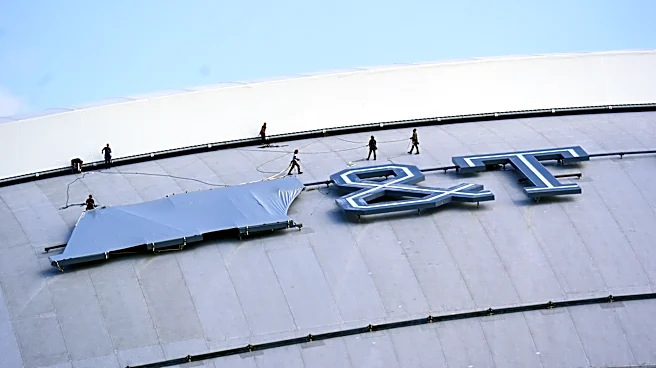
Let's start with the pitch. BC Place isn't just a stadium; it's a downtown centerpiece. Unlike many of the sprawling, suburban American venues that require a dedicated expedition to reach, BC Place is woven
into the city's urban fabric. It boasts a retractable roof—a feature that shouldn't be underestimated given Vancouver's famously unpredictable coastal climate. A sudden June shower won't dampen the spirits or the turf. Speaking of which, FIFA demands natural grass, and the province has committed to installing a temporary, top-tier grass surface for the tournament, ensuring a perfect pitch for the world's best players. With a capacity of over 54,000, it's big enough to feel epic but intimate enough to ensure there isn't a bad seat in the house for the seven matches it will host, including a crucial quarter-final.
2. It’s Built for the Fan Experience
The single greatest complaint about many modern sporting events is the soul-crushing logistics. The traffic, the parking, the hour-long Uber waits. Vancouver flips that script. It’s one of the most walkable major cities in North America. Fans can—and will—stroll from their downtown hotels to vibrant fan zones, then on to the stadium, all while surrounded by an absurdly beautiful mountain-and-ocean backdrop. The city’s layout encourages the very thing that makes a World Cup special: the spontaneous street parties, the mingling of international fans, and the feeling that the entire city is part of the festival. In a tournament spread across a continent, Vancouver will offer a concentrated, cohesive, and breathtakingly scenic fan experience that car-dependent cities simply cannot match.
3. A Proven Big-Event Pedigree
Hosting a global mega-event is a complex, high-stakes operation. You need more than just a nice stadium; you need infrastructure, security, and institutional memory. This is where Vancouver truly shines. The city flawlessly hosted the 2010 Winter Olympics, an event that transformed its transit system and proved its capability on the world stage. The SkyTrain system, which connects the airport to downtown, is a model of efficiency. More importantly for soccer fans, Vancouver hosted the final of the 2015 FIFA Women's World Cup, drawing a massive crowd and rave reviews. The city understands the unique demands of a FIFA tournament. It's not a rookie learning on the fly; it's a seasoned pro ready for kickoff.
4. A Real, Under-the-Radar Soccer Culture
Don't mistake the polite Canadian reputation for a lack of passion. Vancouver is a true soccer town. The Vancouver Whitecaps have been part of the city's sporting landscape since the 1970s, cultivating a dedicated following long before MLS expansion was a glimmer in Don Garber's eye. But the city's real strength is its multicultural fabric. It’s a place where you'll find packed cafes for an early-morning Premier League match, fervent support for Italy or Portugal during the Euros, and a deep-rooted appreciation for the global game. When teams from around the world arrive in 2026, they will find knowledgeable, welcoming, and loud 'home' crowds ready to adopt them, creating an electric atmosphere for even the most obscure group-stage matchup.
5. The Pacific Northwest Power Duo
One of Vancouver's most unique advantages is its proximity to another host city: Seattle. Just a three-hour drive or scenic train ride away, the two cities form a powerful Pacific Northwest soccer hub. This creates a tantalizing possibility for traveling fans to base themselves in one region and potentially catch games in two different countries. The rivalry between the Whitecaps and Seattle Sounders is one of MLS's most intense, and that energy will undoubtedly spill over into the World Cup. Imagine the buzz in the region, with two passionate, soccer-mad cities collaborating and competing to offer the best fan experience. It’s a unique geographical bonus that sets this corner of the tournament map apart.