



Myth: It's Just a Simple Fold
At a glance, a pleat just looks like folded fabric. But a box pleat is a specific work of fabric engineering. It’s created when two equal folds of fabric are turned away from each other. Think of it as two knife pleats standing back-to-back. The result
is a raised, rectangular shape on the outside of the garment. Its mirror image, the inverted box pleat, shows two folds meeting at a center line on the outside, with the "box" hidden underneath. This construction isn't just decorative; it’s a deliberate method for adding controlled volume. Unlike simple gathering, which creates soft, random ripples, a box pleat releases fabric in a structured way, creating a precise silhouette.
Myth: Box Pleats Always Add Bulk
This is perhaps the biggest fear shoppers have, and it’s only half-true. A poorly placed or ill-fitting box pleat absolutely can add unwanted volume, particularly around the midsection. However, a well-designed one does the opposite: it creates shape and ease without bulk. On the back of a dress shirt, a center box pleat allows for greater freedom of movement across the shoulders. On a skirt, pleats stitched down from the waist and released at the hip can skim the body before creating fullness, resulting in a flattering A-line shape rather than a bulky waist. The key is that the pleat should lie flat where you want structure and open up where you need movement or volume.
Myth: They're Only for Preppy Skirts
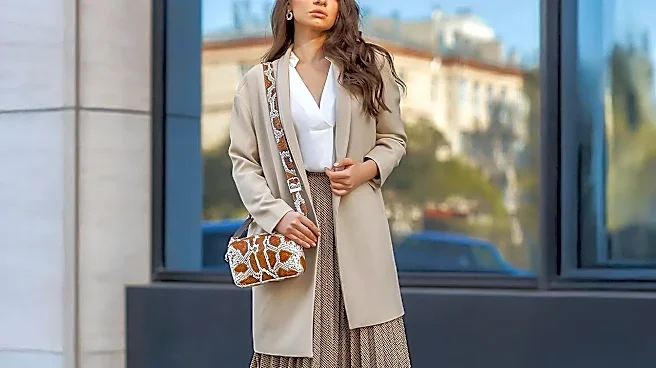
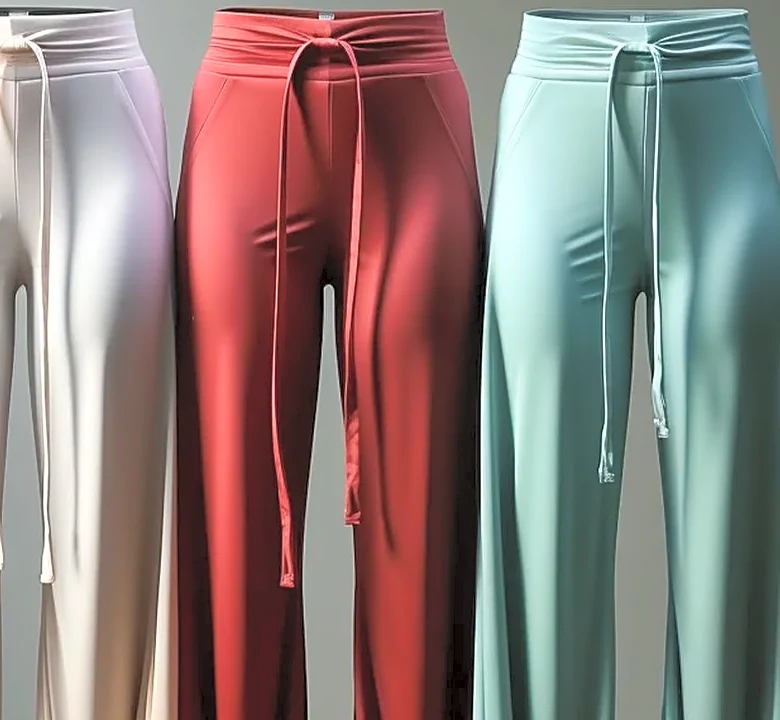
While intrinsically linked to the classic schoolgirl skirt, the box pleat's history and application are far broader. The technique dates back centuries, used to manage large amounts of fabric in gowns and add volume to skirts in the Victorian era. Today, its versatility is its greatest strength. You’ll find crisp box pleats on the back of classic trench coats, adding a sharp, architectural detail. They appear on the bodices of dresses to create a tailored bust line, and on wide-leg trousers to add a clean, structured drape. Modern designers use them to create sculptural, avant-garde shapes that have nothing to do with prep school, proving the box pleat is a timeless tool, not a passing trend.
Myth: Any Fabric Will Do
Fabric choice is everything when it comes to pleating. The material dictates how a box pleat will behave. A stiff, structured fabric like a heavy cotton, wool, or taffeta will create sharp, crisp pleats that stand away from the body, producing a more architectural or formal look. These fabrics hold their shape well and emphasize the clean lines of the pleat itself. Conversely, a fabric with a softer drape, like a rayon challis or a lightweight crepe, will result in pleats that fall softly, creating gentle movement rather than rigid structure. Using a very flimsy fabric can cause the pleats to look messy or collapse entirely. The wrong fabric choice is often why a box-pleated garment might fail to sit correctly or create that dreaded bulk.