





1. Separate the Showpiece from the Seller
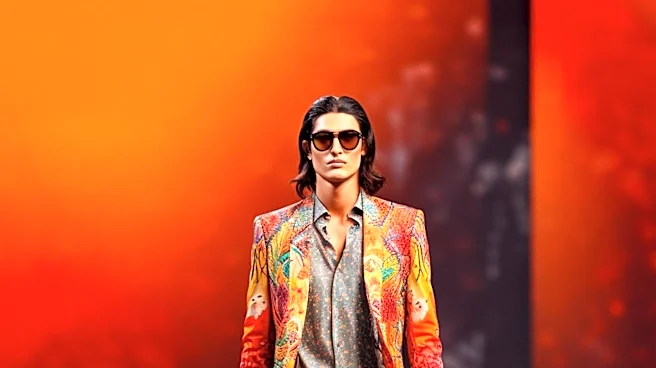
The first thing a buyer does is mentally filter the collection. The fire-breathing dragon blazer or the 20-foot-long scarf that opened the show? That’s a showpiece. It’s designed for editorial buzz, Instagram moments, and communicating the designer's
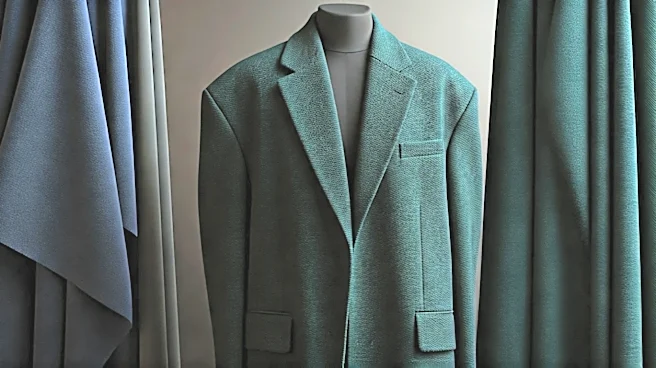
pure, undiluted vision. A buyer appreciates it for the mood it sets, but their eyes are scanning for its more commercial cousins. They're looking for the wearable, toned-down version of that wild concept: the well-cut blazer without the pyrotechnics, the perfectly draped trousers, the knit sweater with a hint of the show’s signature motif. The key is to ask, “What here is the fantasy, and what is the reality that will actually land on a store rack?”
2. Check for Cohesion and Brand DNA
A great collection isn’t just a random assortment of nice clothes; it tells a story. Buyers look for a strong, cohesive point of view that runs through every piece. Does the collection feel like it came from the same creative mind? Is it consistent with the brand's history and what their loyal customers expect? This is often called “brand DNA.” For example, if a brand is known for minimalist tailoring, a sudden pivot to bohemian florals would be a red flag for a buyer. They need to trust that the collection reinforces the brand's identity, making it an easy sell to customers who have already bought into that world. They’re looking for evolution, not a personality transplant.
3. Identify the Must-Have 'Hero' Items
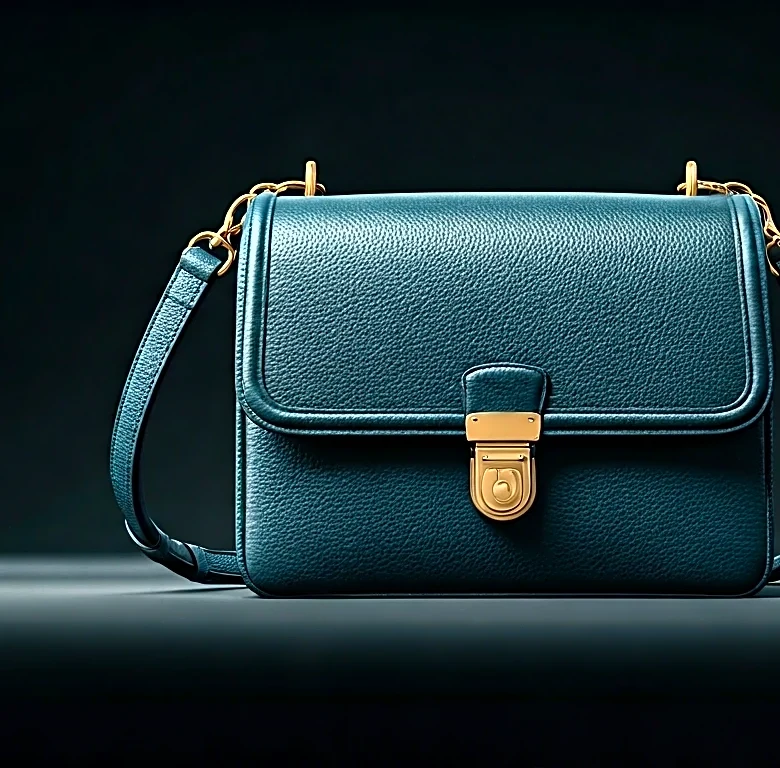
Within any collection, there are a few standout pieces destined to become bestsellers. Buyers are trained to spot these “hero” items. It might be a uniquely designed sneaker, a statement outerwear piece, a logo-emblazoned bag, or a perfectly cut pair of jeans. These are the items that will be featured in magazines, worn by influencers, and drive foot traffic. A buyer mentally earmarks these pieces, knowing they will form the core of their seasonal order. They’re not just looking for their personal favorites; they're predicting which specific items will capture the cultural imagination and, more importantly, the customer’s wallet.
4. Visualize It on the Shop Floor
A runway is a fantasy context. A buyer’s job is to bring it back to reality. As they watch the models go by, they are mentally merchandising their store. They ask practical questions: How will this oversized coat look next to the slim-fit shirts from another brand? Does this vibrant color palette work with the neutral basics we always carry? Can we build a compelling visual story at the front of the store with these pieces? They are considering how the collection will integrate with their existing inventory and whether it will create a desirable, shoppable environment for their specific clientele. It’s a giant, high-stakes game of Tetris, and every piece needs to have a logical place.
5. Do the Math on Price vs. Quality
Fashion is emotion, but buying is math. As a buyer examines a piece, they’re running a silent calculation. They’re looking at the fabric quality, the construction, the detailing, and the country of origin. Then they weigh that against the wholesale price. Is this beautifully simple cashmere sweater truly worth the $500 wholesale cost? Will the customer see the value when it’s marked up to $1,200 in the store? This calculation is called the “price-value proposition.” If a garment feels flimsy or poorly made but carries a luxury price tag, a buyer will pass, no matter how great it looked on the runway. The numbers have to make sense.
6. Gauge the Cultural Temperature
Finally, a great buyer has a finger on the pulse of the zeitgeist. They look at a collection and ask, “Does this feel relevant *right now*?” Is the designer tapping into a broader cultural shift—a move toward comfort, a renewed interest in formalwear, a new definition of masculinity? They aren’t just buying clothes; they are investing in ideas that feel timely and resonant. A collection that feels out of touch with the current social or cultural mood, even if beautifully made, is a risky bet. They are looking for the clothes that don't just look good, but also feel like they are part of the global conversation.