



We’ve all been there: a sharp, unwelcome pinch as a zipper catches your skin, or the frustrating snag on an undershirt. Yet on some jackets and pants, this is a non-issue, thanks to a small, often overlooked detail in clothing design.
Meet the Humble Zipper Guard
That thin strip of
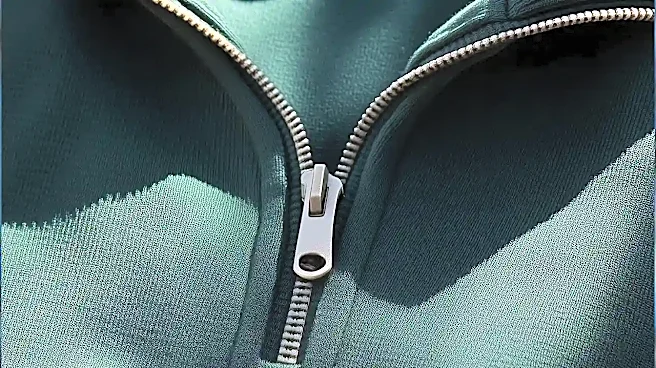
fabric running parallel to your zipper’s teeth has a name, or rather, a few. Most commonly, it’s known as a 'zipper guard' or 'zipper shield'. Its primary job is simple and noble: to create a protective barrier between the mechanical action of the zipper and you. By putting a layer of fabric between the interlocking teeth and your skin, it prevents that painful pinching that often happens with jackets zipped up high. For pants, particularly those with metal zippers, a similar component called a 'fly shield' serves the same crucial purpose in a sensitive area. Beyond protecting your skin, it also stops the zipper from snagging on your shirt or the delicate lining of a coat, preventing damage to your other clothes.
An Unsung Hero Against the Elements
On outerwear like ski jackets and raincoats, this fabric strip often takes on a more robust role and is sometimes called an 'internal storm flap'. While a zipper creates a closure, the tiny gaps between the teeth are no match for a gust of wind or driving rain. A storm flap, whether internal or external, is designed to cover those gaps. The internal version provides a secondary line of defense, blocking drafts and moisture that might otherwise seep through the zipper chain, keeping you warmer and drier. Some heavy-duty jackets even feature both an internal and an external storm flap for maximum protection against the elements.
The 'Zipper Garage' at the Top
A close cousin to the full-length guard is an even smaller feature found at the very top of many zippers, right under your chin. Often called a 'chin guard' or, more whimsically, a 'zipper garage,' this little fabric hood is designed to house the zipper pull when the garment is fully zipped. Its purpose is twofold. First, it prevents the cold, hard metal or plastic of the slider from chafing against your neck or chin. Second, it keeps the pull from dangling and catching on your hair or beard. It's a small touch, but one that adds a significant amount of comfort to a fully zipped jacket.
An Evolution in Design
The zipper itself was the product of a long evolution, with the modern version patented by Gideon Sundback in 1917 as the 'Separable Fastener'. Initially used for items like boots and tobacco pouches, its adoption in military flight suits and, later, mainstream fashion brought new challenges. As zippers moved closer to the body, the need for features like the zipper guard became apparent. It wasn't part of the original invention but rather a clever, practical improvement born from user experience. It represents a thoughtful response from designers to the common annoyances of an otherwise revolutionary fastener, solving problems of comfort, safety, and durability.
Why Isn't It on Every Zipper?
If zipper guards are so useful, why don't all clothes have them? The answer comes down to a balance of function, fashion, and cost. For high-performance outerwear, the protection is a near necessity. But for a lightweight fashion jacket or a decorative zipper on a bag, the added bulk and manufacturing expense might be deemed unnecessary. The type of garment matters, too. A dress with a delicate, invisible zipper, for instance, aims for a seamless look that a guard would disrupt. Ultimately, the presence of a zipper guard is a quiet signal of thoughtful design, prioritizing the wearer's comfort over absolute minimalism.