

The Legacy of Less
For decades, Danish design has been synonymous with a specific kind of modernism that peaked in the mid-20th century. Think of Arne Jacobsen's Egg Chair or Hans Wegner's Wishbone Chair: objects celebrated for their clean lines, functional simplicity,
and deep respect for natural materials like wood. This philosophy, often called Danish Modern, wasn't just about looks; it was an ethos rooted in creating durable, practical, and beautiful things for everyday life. It valued function over ornamentation and quiet craftsmanship over loud statements. This legacy created a powerful—and sometimes intimidating—rulebook for subsequent generations, establishing a global reputation for a look that was calm, tasteful, and controlled.
The 'Scandi 2.0' Revolution
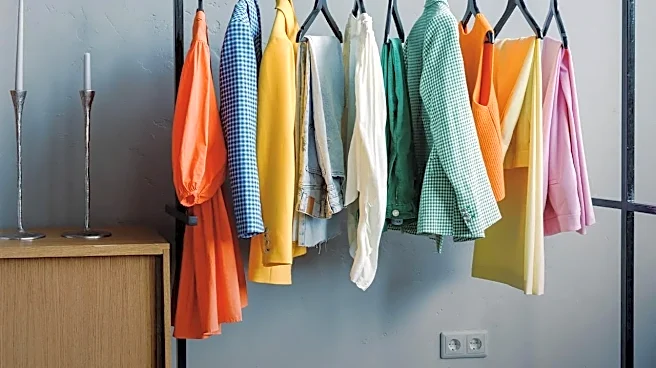
Today’s rising designers in Copenhagen and beyond aren’t rejecting that history. Instead, they’re chopping it up and remixing it. They see that legacy not as a set of rigid instructions but as a rich collection of raw materials—ideas, forms, and values to be played with. This has led to what Ditte Reffstrup, creative director of the wildly successful fashion brand Ganni, calls "Scandi 2.0". It’s an approach that moves away from the two dominant stereotypes of Scandinavian style—austere minimalism or carefree bohemianism—toward something more personal, colorful, and eclectic. The new guard is less interested in perfection and more focused on personality, comfort, and a certain playfulness that the old school might have found frivolous.
Meet the New Guard
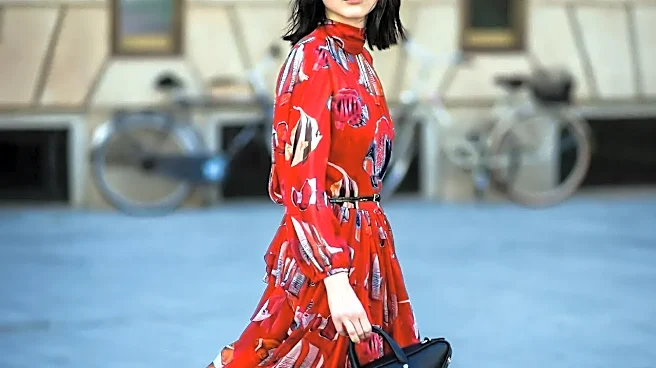
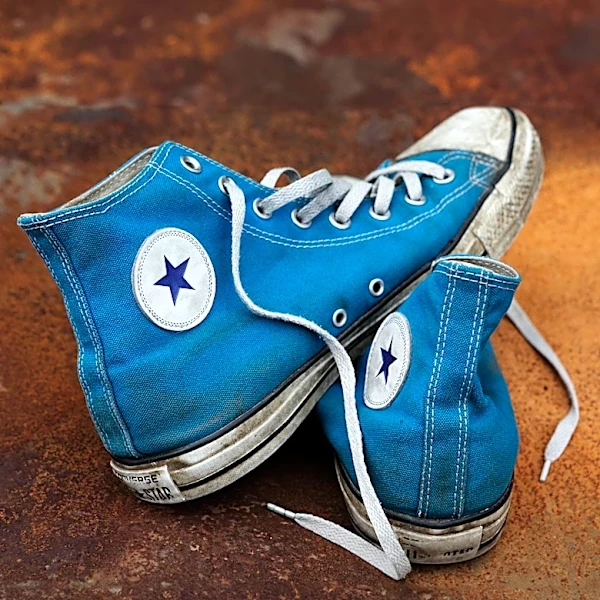
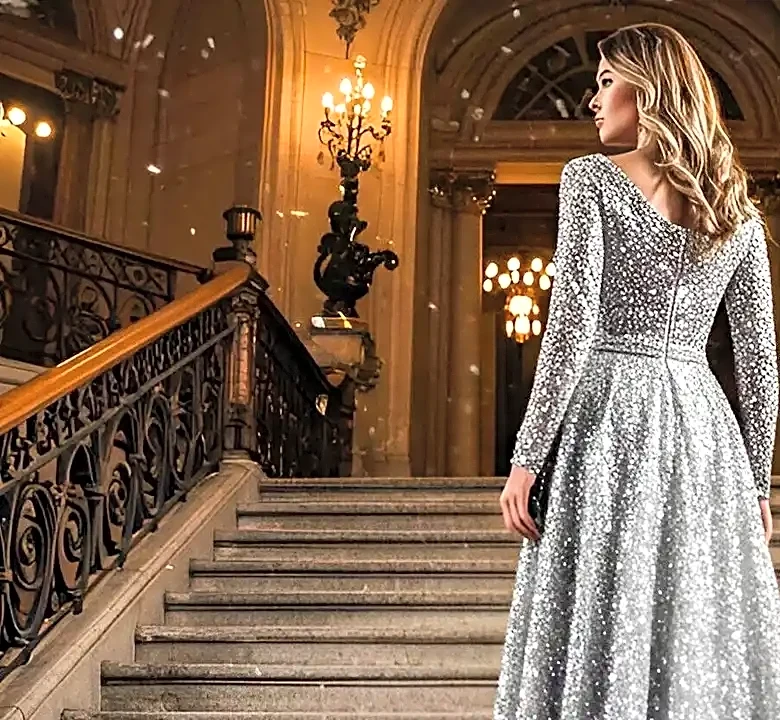
This shift is most visible in the fashion world. Brands like Ganni have become global phenomena by clashing prints, embracing bold colors, and designing pieces that are expressive and fun to wear. Similarly, Cecilie Bahnsen has built a cult following for her voluminous, ethereal dresses that blend couture-like craftsmanship with a ready-for-the-street attitude. Her designs are precious but made to be worn with sneakers, a perfect example of breaking down old formalities. In furniture and object design, makers are experimenting with distorted shapes, bolder colors, and more expressive forms as a reaction to decades of strict geometry. They’re creating pieces that demand an emotional response, moving beyond pure function to foster a deeper connection with the user.
Why Now? The Forces of Change
Several factors are driving this creative rebellion. For one, it's a natural reaction to the global dominance of sterile, one-note minimalism; designers and consumers alike are craving more warmth, texture, and personality. There’s also a new sense of confidence. After decades of living in the shadow of the mid-century masters, the current generation feels empowered to forge its own identity. Sustainability has also become a core tenet, pushing designers to be more innovative with materials and production, often by upcycling or reinterpreting old ideas in a new context. Ultimately, this new movement is about freedom. It’s the freedom to be feminine, to be colorful, to be a little messy, and to prove that Danish design can be both deeply rooted in its history and wonderfully, unpredictably alive.