

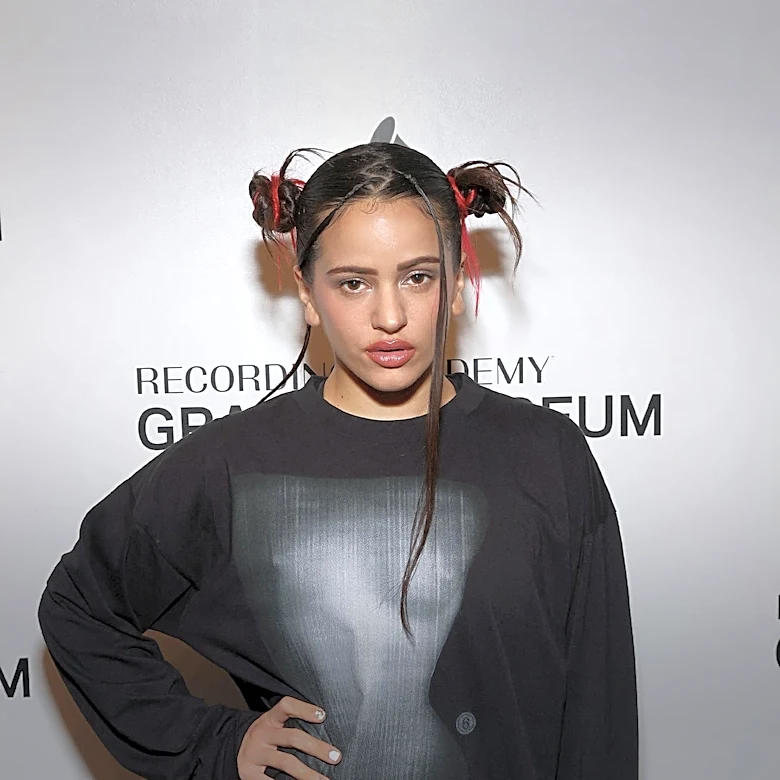





When your grandfather is the undisputed king of ranchera music and your father is a global superstar, what does it mean to find your own voice? For Camila Fernández, her 2026 Latin Grammy nomination isn't just a career milestone; it's an answer.
The Weight of a Name
In the
world of Mexican music, the Fernández name is more than a surname; it’s a dynasty. It represents the soul of ranchera, a genre built on soaring emotion, national pride, and powerhouse vocals. The patriarch, the late Vicente Fernández, wasn't just a singer; he was 'El Charro de Huentitán', a cultural icon whose voice became the soundtrack for generations of life, love, and loss. His son, Alejandro Fernández, 'El Potrillo', successfully bridged the gap between traditional mariachi and global pop stardom, selling out arenas worldwide. This is the legacy Camila Fernández was born into. It’s a lineage that grants immediate access and crushing expectations in equal measure. Every note she sings is inevitably measured against the impossible standards set by her family, creating a unique challenge: how to honor a legacy without being imprisoned by it.
Forging Her Own Path
From the beginning, Camila Fernández has seemed acutely aware of this dynamic. After studying at the prestigious Berklee College of Music, she initially experimented with different genres before embracing the family business of mariachi, reportedly on a promise to her grandfather. But her approach has been distinct. While her father modernized ranchera by blending it with pop, Camila is re-contextualizing it from a modern woman's point of view. She has become the lone female voice of the Fernández dynasty, a position she doesn’t take lightly. In interviews, she has spoken about bringing a female perspective to a genre and a family repertoire long dominated by men. This culminated in her winning Female New Artist of the Year at the Premio Lo Nuestro earlier in 2026, a victory that felt like the official start of a new chapter for the family name.
What 'La Fernández' Represents
Her nominated album, 'La Fernández', is the boldest statement of her career. The title itself is a declaration—not 'a' Fernández, but 'the' Fernández, claiming her own space. Released in 2025, the album dives deep into mariachi traditions but infuses them with contemporary production and, crucially, a fiercely female-centric narrative. Many of the tracks were born from a songwriting camp composed entirely of women, a therapeutic and empowering experience she said helped build an incredible sisterhood. Songs like 'La Loca Era Yo' and 'Se Cancela La Llorada' (The Crying Is Canceled) are anthems of heartbreak, resilience, and self-discovery, telling familiar stories from a perspective that feels fresh and necessary. 'For me, empowering women is the most important thing', she has said, noting her desire to be an example for her young daughter.
A Legacy Redefined, Win or Lose
On November 12, Camila Fernández will find out if she is a Latin Grammy winner. Her nomination for Best Ranchero/Mariachi Album places her squarely in the category her family has long dominated. Yet, the nomination itself already feels like a victory. It serves as institutional recognition that her work stands on its own merit while still contributing to the family's cultural history. It validates her mission to evolve the genre, not just replicate it. She isn't just the continuation of a story; she's an entirely new voice adding a vital and previously unheard chapter. Whether or not she takes home the trophy, 'La Fernández' has already succeeded in answering the legacy question. She has proven that it's possible to wear the family name with pride while singing a song that is entirely her own.