




An Old Technique Feels New Again
Draping is hardly a new concept—its origins trace back to the artful folds of ancient Grecian robes. Yet, on the Fall 2026 and Spring 2027 bridal runways, the technique feels decidedly modern. Designers are moving away from heavy embellishments like beading
and lace, instead using fabric manipulation to create visual interest. The result is a look that feels both luxurious and intentional. This modern approach to draping allows a gown to appear sculptural when still and reveal new dimensions with every movement, giving it a living quality. It’s a way to achieve quiet luxury, where the artistry is in the construction, not just the decoration.
The Spectrum of Style: Sculptural to Soft
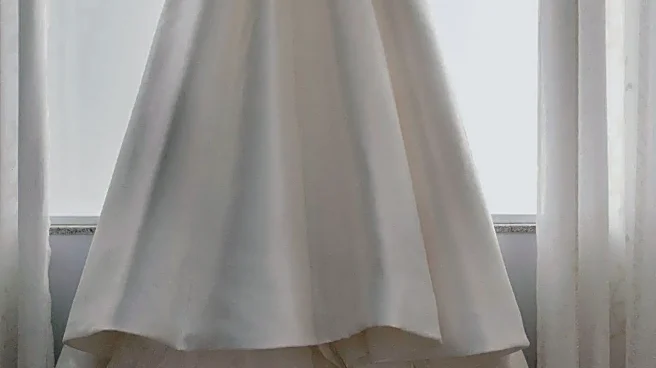
The true genius of draping lies in its range. On one end of the spectrum, designers are using structured fabrics like Mikado and high-shine satin to create architectural silhouettes. These gowns feature crisp, deliberate folds that accentuate the body’s lines, often seen in sculpted bodices, asymmetrical necklines, and dramatic basque waists that elongate the torso. On the other end, soft and fluid draping offers a gentler romance. Using materials like charmeuse and chiffon, designers create liquid-like folds that cascade down skirts or gather softly at the waist, adding effortless movement without weight. This duality means draping can define both a minimalist, modern gown and an ethereal, romantic one with equal power.
Fabric Is the Foundation
The personality of a draped gown is determined by its fabric. Satin is a favorite because it reflects light in a way that highlights every fold and curve, giving the dress a luminous, luxurious quality. Heavier silks like Mikado offer the structure needed for more architectural shapes, while lightweight materials like organza and tulle create a softer, more kinetic effect. Designers are using these classic bridal fabrics in new ways, proving that modernity comes from construction, not just novelty. This focus on material and form allows draping to feel both timeless and refreshingly current.
A Language of Personalization
More than just a trend, the rise of draping speaks to a broader shift in bridal fashion toward individuality and versatility. Draping offers a way to customize a silhouette that feels unique to the wearer. It can soften a structured corset, create a flattering waistline, or add dimension to a simple shape. Furthermore, draped elements are appearing in unexpected places, from off-the-shoulder straps to detachable sleeves and transformative overskirts that allow a bride to change her look from ceremony to reception. This adaptability makes draping the perfect tool for the modern bride who wants a gown that is both a statement piece and a personal expression of her style.