



The Myth: A Critical Ice Age
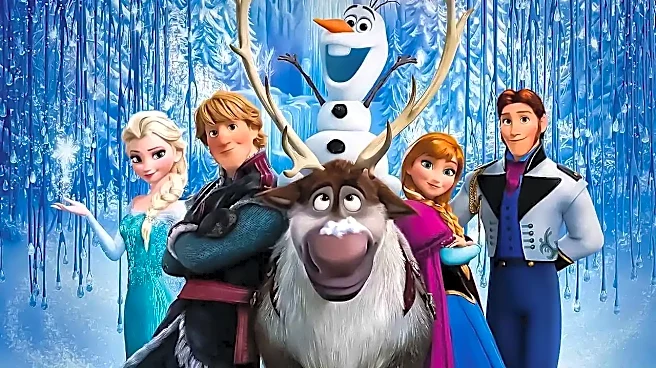
The story goes that when Frozen first premiered in November 2013, it was met with a frosty reception. The idea is that the film that would go on to gross over a billion dollars, win two Academy Awards, and dominate pop culture for a decade was initially
considered a dud by the people paid to judge movies. This narrative suggests a dramatic turnaround, where audiences single-handedly saved a film that critics had dismissed. It’s an appealing story—an underdog triumph. But it has one major problem: it isn’t true.
The Reality: A Certified Fresh Success
The claim that Frozen was “panned” is definitively false. In reality, the film was a critical darling from the start. On the review aggregator Rotten Tomatoes, it holds an 89% positive score from 251 reviews, with the consensus calling it "Beautifully animated, smartly written, and stocked with singalong songs." Metacritic, which assigns a weighted average, gave it a score of 75 out of 100 based on 48 critics, indicating "generally favorable reviews." Many reviewers at the time praised it as Disney's best animated feature since the 90s Renaissance. Publications like The Guardian called it a "wide-eyed charmer" and a "slap-up Christmas treat." The film was almost immediately Certified Fresh, a designation reserved for well-reviewed movies.
So Where Did the 'Panned' Idea Come From?
No film receives universal praise, and the handful of criticisms aimed at Frozen were specific and recurring, which may have created the illusion of a wider negative sentiment. Some critics found the plot mechanics, particularly in the film's second half, to be less compelling than its powerful emotional core. One of the most common critiques revolved around the story's pacing and structure. Several reviewers noted that after the show-stopping number “Let It Go,” the narrative momentum seemed to stall slightly. There was a sense that the first act was a masterclass in setup and character development, but the subsequent adventure to reunite the sisters felt more conventional. The villain twist with Prince Hans, while surprising, was also a point of contention for some who felt it wasn't adequately foreshadowed.
The Nuanced Critiques
Beyond the plot, some critics took issue with specific creative choices. The character of Olaf, while a clear hit with younger audiences, was cited by some as an overused comic relief who occasionally undercut the film's dramatic tension. Others pointed out that for all its progressiveness in focusing on sisterly love, the story still relied on a somewhat convoluted magical element involving trolls that felt like a relic from an older, less sophisticated fairy tale. These weren't declarations that the movie was bad, but rather observations that it wasn't perfect. It was a film that subverted some tropes while fully embracing others, leading to a mix of groundbreaking and formulaic elements that some reviewers found slightly uneven.
From Favorable Reviews to Global Phenomenon
Ultimately, any minor critical quibbles were drowned out by an unprecedented wave of public adoration. The film didn't just succeed; it became a pop culture phenomenon. The power of the soundtrack, led by the inescapable anthem "Let It Go," propelled the movie far beyond the confines of a simple film review. The focus on the bond between two sisters, a refreshing departure from the traditional romance-centric princess tale, resonated deeply with audiences of all ages. While critics provided the initial stamp of approval, it was the audience that elevated Frozen from a well-regarded Disney movie into a cultural touchstone whose impact is still felt today.