




The Crushing Weight of Expectation
The single biggest factor is pressure, but not the normal kind. For teams like Brazil, Germany, France, or Argentina, a major tournament isn't an opportunity; it's an obligation. The media, the fans, and even the national government expect victory. This
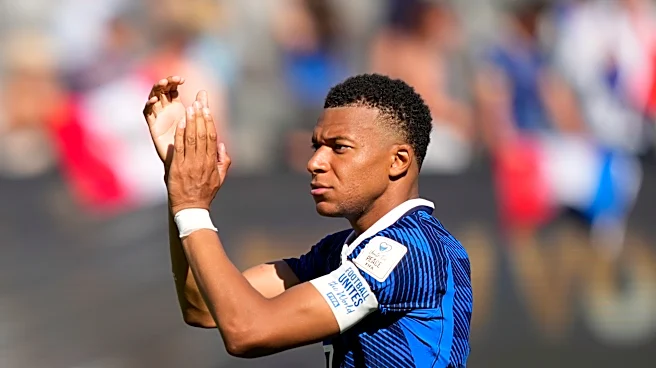
transforms the group stage from a chance to build momentum into a series of potential landmines. While an underdog celebrates a hard-fought draw as a national triumph, a star-studded favorite sees it as a catastrophic failure. Every misplaced pass is scrutinized, and every substitution is debated on nightly news. This external pressure quickly becomes internal, leading to tight, fearful play. Players who are relaxed and creative for their clubs suddenly look like they’re carrying the weight of their entire country on their shoulders—because they are.
The 'Too Many Superstars' Problem
On paper, a starting eleven featuring players from Real Madrid, Manchester City, and Bayern Munich looks unbeatable. In reality, it can be a tactical and egotistical logjam. These athletes are the undisputed focal points of their club teams, with entire systems built around their strengths. On the national team, they are suddenly just one of eleven. Who takes the decisive free kick? Who is the primary playmaker? A squad full of leaders can sometimes result in no leadership at all. This isn’t necessarily about overt selfishness; it’s about a lack of ingrained chemistry. Club teams have nine months to build cohesion. National teams have a few weeks. When Plan A fails—and it often does against a scrappy, defensive opponent—these collections of brilliant individuals can struggle to find the collective identity needed to improvise a Plan B.
Tactical Rigidity Meets Tournament Grit
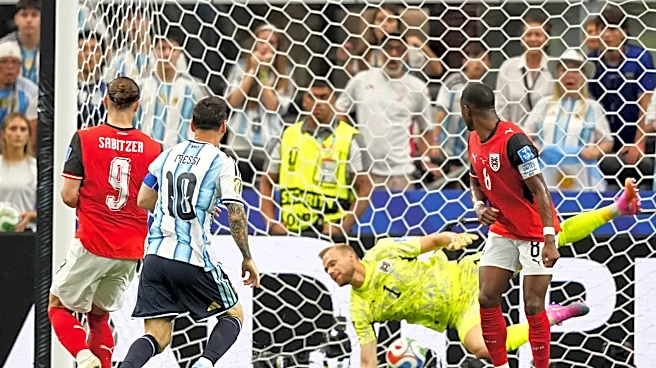
Talent-heavy teams often play a sophisticated, proactive style of soccer. They want to dominate possession, press high, and impose their will on the game. While beautiful and effective over a long league season, this approach can be surprisingly fragile in a knockout-style tournament. Underdogs have a simple, asymmetric goal: survive, defend, and capitalize on one mistake or one set piece. They sit deep, clog passing lanes, and frustrate their more talented opponents. As the minutes tick by and the favorites fail to break through, their elegant system begins to look like fruitless passing around the perimeter. Panic sets in. They push more players forward, leaving them vulnerable to a swift counter-attack. The very philosophy that makes them great becomes a strategic weakness against an opponent who refuses to play their game.
One Bad Result Equals Instant Crisis
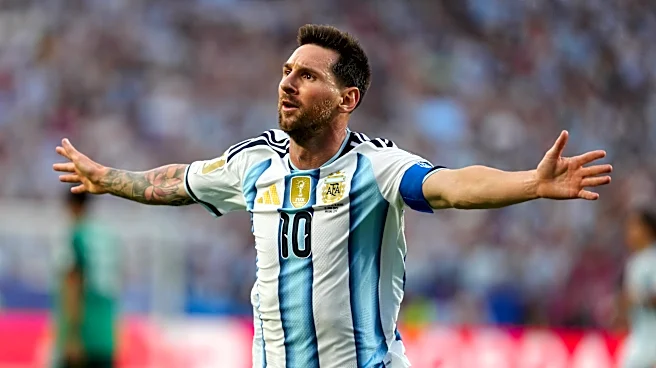
The math of a three-game group stage is brutal. There is no time to recover from a slow start. A shocking opening-day loss, like Argentina's to Saudi Arabia in 2022 or Germany's to Mexico in 2018, immediately removes any margin for error. The second match is no longer a game; it's an elimination final. This sudden-death pressure cooker is where the panic truly ignites. The team hotel becomes a fortress. Training sessions are tense. The media narrative shifts from coronation to inquest overnight. For teams that aren't mentally resilient, this shift is fatal. They enter their next match playing not to win, but not to lose—a subtle but critical distinction that stifles creativity and invites the very mistakes they’re trying to avoid. While some teams, like that 2022 Argentina squad, can use that early shock to forge an unbreakable spirit, many others simply collapse under the strain.