






The Science of Sticky Clothes
It all comes down to a property called hygroscopy—a fancy word for a fiber's ability to absorb moisture from the air. When it's humid, the air is full of water vapor, and certain fabrics act like sponges. Natural and semi-synthetic fibers like cotton,
silk, and viscose are all hygroscopic to varying degrees. As they pull moisture from the air, the fibers swell, and this is where things get interesting. That swelling changes the fabric's weight, structure, and flexibility, which completely alters how it hangs, or “drapes,” on your body. It’s the hidden force turning your sharp outfit into a saggy disappointment.
Cotton: The Classic Summer Betrayal
Cotton is the fabric we all reach for in summer, prized for its softness and breathability. But in high humidity, it can turn on you. Cotton fibers absorb a lot of moisture. While this helps pull sweat away from your skin initially, the fabric becomes saturated quickly and dries very slowly when the air is already damp. This trapped moisture makes the garment feel heavy, clammy, and prone to sticking to your skin. The fibers swell and lose their rigidity, causing the fabric to lose its shape and structure. That crisp cotton T-shirt starts to sag, and your structured denim jeans can feel restrictive and heavy.
Viscose: The Moody Impersonator
Viscose, also known as rayon, is often called “artificial silk” for its smooth feel and beautiful, fluid drape. It’s made from wood pulp, so it has a natural origin but is chemically processed. When it comes to humidity, viscose is extremely absorbent—even more so than cotton. This is its biggest weakness. As it soaks up moisture from the air, viscose loses a significant amount of its strength, sometimes up to 50%. This causes garments to stretch, sag, and lose their shape dramatically. A dress that fits perfectly in the morning might feel a size too big by the end of a humid day. The fabric becomes heavy and clings uncomfortably, negating its initial cool-to-the-touch feel.
Silk: The Deceptive Lightweight
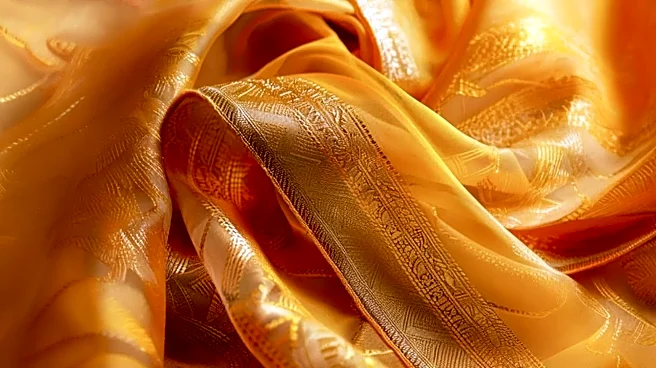
Silk is a protein fiber known for its luxurious luster and delicate drape. It's surprisingly interactive with its environment. Silk can absorb up to 30% of its own weight in moisture without feeling damp, which is part of what makes it so comfortable. However, in high humidity, this absorption causes the fibers to swell. This can make the fabric feel slightly heavier and alter its crispness, sometimes leading to a more pronounced, almost clingy drape. While silk retains its strength better than viscose when damp, it can still lose some resilience and become more prone to wrinkling. Prolonged exposure to humidity can also weaken the fibers over time, so proper storage in a controlled environment is key to its longevity.



)