



The Belted Maillot
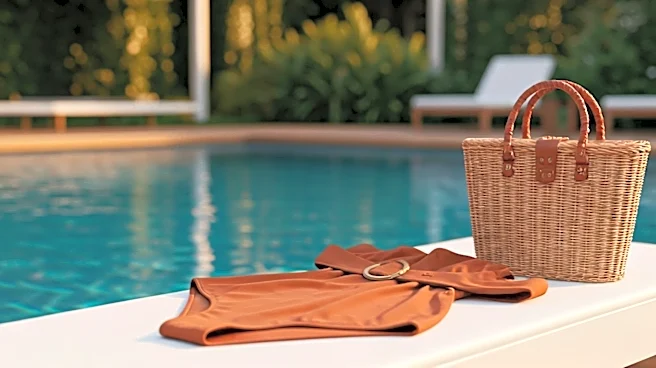
Forget flimsy string bikinis for a moment and picture a '70s Bond girl emerging from the water in a sleek one-piece cinched at the waist. The belted maillot (a French term for a one-piece swimsuit) was the height of Riviera chic, projecting an image of effortless
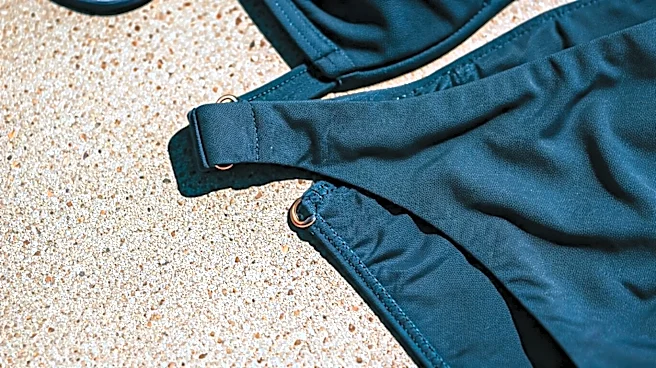
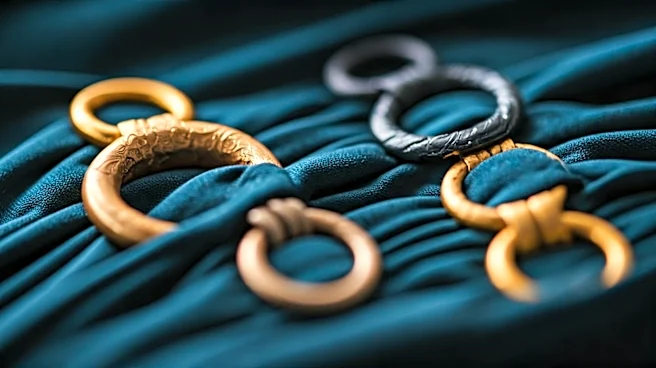
polish and confidence. It was less about revealing skin and more about accentuating an hourglass silhouette. Today, designers are reviving this classic with a modern twist. Look for minimalist suits in solid, deep colors with elegant, often removable, belts. The hardware is key: instead of plastic clips, you'll find brushed gold rings, tortoiseshell buckles, or fabric-covered clasps that elevate the entire look from simple swimwear to a full-fledged fashion statement. It’s a style that says 'I own the yacht,' not just 'I'm tanning on it.'
Earthy Tones and Sunset Palettes
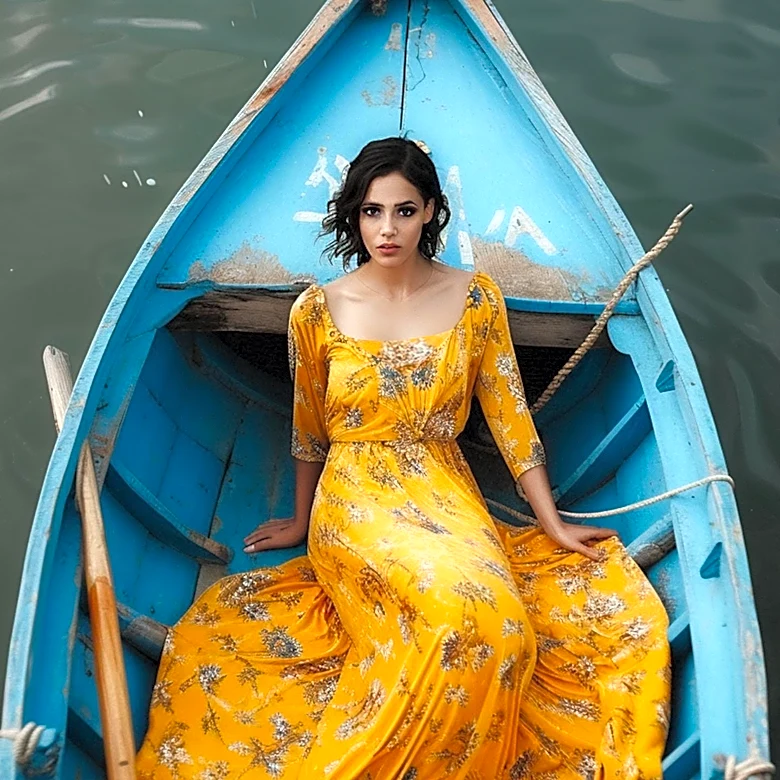
The 1970s were awash in a distinctively earthy color palette, a direct reflection of the era's back-to-nature ethos. Think harvest gold, avocado green, burnt orange, and rich chocolate brown—colors that felt grounded and organic. While recent years have been dominated by hyper-bright neons and soft pastels, resort collections are now embracing these warmer, more subdued hues. Modern swimwear designers are using shades of rust, terracotta, mustard, and olive to create pieces that feel both nostalgic and incredibly chic. These colors are universally flattering on a wide range of skin tones, evoking a sun-drenched afternoon in Laurel Canyon rather than a rave in Ibiza. They pair beautifully with natural-fiber cover-ups like linen and cheesecloth, completing the retro-luxe fantasy.
Crochet and Knitted Textures
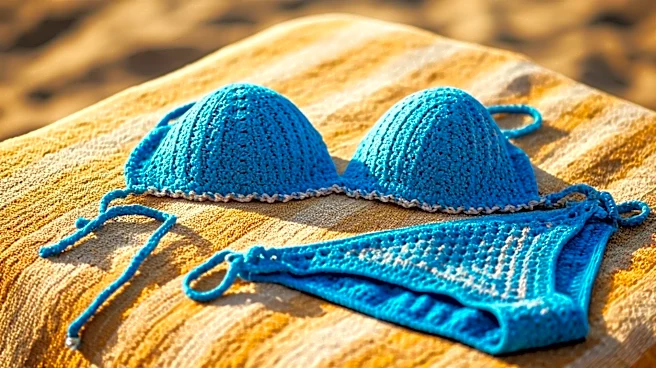
Nothing screams 1970s bohemianism quite like crochet. Once the domain of DIY vests and music festival attire, this handcrafted texture is being reinterpreted in a surprisingly high-fashion context. In the '70s, a crochet bikini was the ultimate symbol of a free-spirited, handmade aesthetic. Today, the reference is more refined. You’ll find bikinis with delicate crochet trim, one-pieces with knitted paneling, and cover-ups that feature intricate macramé details. The modern iteration is less about a purely homespun look and more about adding tactile interest and dimension. Contemporary versions are often lined for practicality and structure, blending the old-world craft with modern construction. It’s a subtle nod to the era's counter-culture vibe, but executed with a luxury finish.
The Asymmetrical One-Shoulder
Before the power shoulders of the '80s came the sophisticated asymmetry of the '70s. The one-shoulder silhouette, whether on a slinky disco dress or a glamorous swimsuit, was a favorite of style icons like Bianca Jagger and Farrah Fawcett. It offered a hint of drama and elegance, framing the collarbone and shoulder in a way that felt both modern and goddess-like. This silhouette is back in a big way, appearing in both one-piece and bikini form. Designers are playing with the form, adding elegant ruffles, sleek cut-outs, or minimalist bands to the single strap. It’s a powerful look that provides more coverage and support than a bandeau top while delivering significantly more visual impact, perfectly capturing the confident, liberated spirit of the era.
The Genesis of the High-Cut Leg
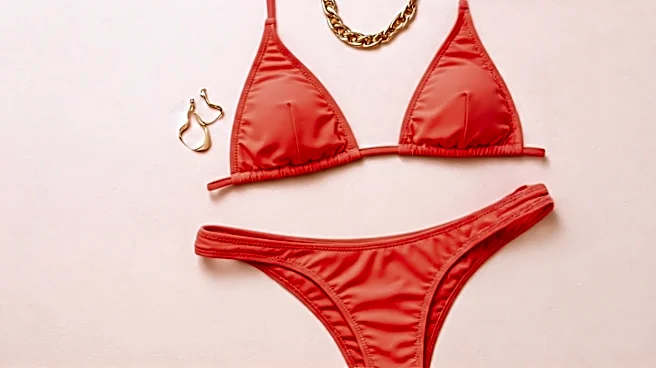
While the ultra-high-cut, hip-baring swimsuit is most often associated with the 1980s, its journey began in the late '70s. As the decade progressed, hemlines rose, and so did the leg openings on swimwear. It was a departure from the more modest, low-slung bikini bottoms of the '60s and early '70s. This new cut was all about elongating the leg and creating a taller, leaner silhouette. The iconic image of Farrah Fawcett in her red one-piece from 1976 showcases this transitional style perfectly—not as extreme as what would come later, but definitively higher and more athletic. Modern collections are referencing this specific late-'70s cut: a leg that’s high but not severe, often paired with a fuller-coverage bottom for a look that feels both retro and comfortable.