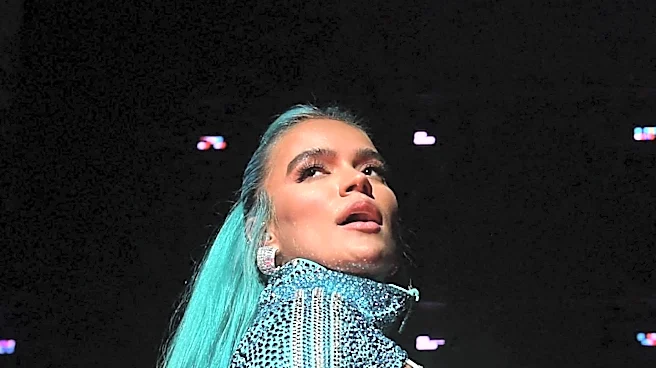








When the 2026 Latin Grammy nominations were announced, the usual suspects were there: pop powerhouses, reggaeton giants, and regional Mexican superstars. But sharing the spotlight are masters of a genre built on improvisation: jazz.
More Than Just a Category
To the casual observer,
the Latin Grammys might seem like a celebration dominated by the slick productions of artists like Karol G, Anitta, and Rosalía, who are indeed vying for top honors like Album of the Year. And while the dedicated 'Best Latin Jazz/Jazz Album' category has long celebrated virtuosos, this year feels different. The genre’s DNA is showing up everywhere. Jazz isn’t just in its own lane; it's weaving into the fabric of the mainstream. The nominations for artists like Gonzalo Rubalcaba, Miguel Zenón, and Paquito D'Rivera underscore the genre's technical excellence. However, the real story is how the spirit of jazz—its harmonic complexity and improvisational freedom—is influencing a new generation of artists who are blending it with pop, urban, and folk traditions.
A Long and Storied History
This isn’t a sudden arrival. The relationship between jazz and the broader world of Latin music is a century-long conversation. It began in the early 20th century, with what pianist Jelly Roll Morton called the 'Spanish tinge' in New Orleans jazz. By the 1940s and '50s, the fusion was undeniable, as icons like Dizzy Gillespie collaborated with Cuban percussionist Chano Pozo on groundbreaking tracks like 'Manteca', birthing what we now call Afro-Cuban jazz. This fusion was a two-way street, with Latin rhythms enriching jazz and jazz harmonies providing new avenues for Latin artists. This historical cross-pollination, carried on by legends like Tito Puente and Eddie Palmieri, laid the groundwork for the genre-blurring sounds celebrated today.
An Evolving Academy and Audience
So why the increased prominence now? Part of the answer lies with the Latin Recording Academy itself. The organization has made a concerted effort to celebrate the full diversity of Latin music, moving beyond a narrow focus on commercial chart-toppers. This commitment is reflected in the nominations, which honor artistic and technical achievement over pure sales. There’s also a palpable hunger from audiences and artists for more musical depth. In an era of algorithm-driven singles, the instrumental prowess and sophisticated arrangements of jazz offer a compelling alternative. Artists like Rosalía, though firmly in the pop sphere, have been praised for incorporating complex musical traditions, from flamenco to jazz, into their work, suggesting a wider appetite for ambitious sounds.
The Sound of the Future
The presence of jazz at the 2026 Latin Grammys is ultimately a testament to its enduring influence and adaptability. It reminds us that 'Latin music' is not a monolith but a vast, interconnected ecosystem of genres. Contemporary artists are increasingly fluid, pulling from a rich tapestry of sounds that includes salsa, bossa nova, reggaeton, and, yes, jazz. The recognition of jazz pioneers alongside pop superstars isn't just about honoring the past; it's about acknowledging a key ingredient in the future of Latin music. It’s a signal that creativity, innovation, and pure musicianship still hold a place of honor at the industry's highest level.