





Start With the Fiber Itself
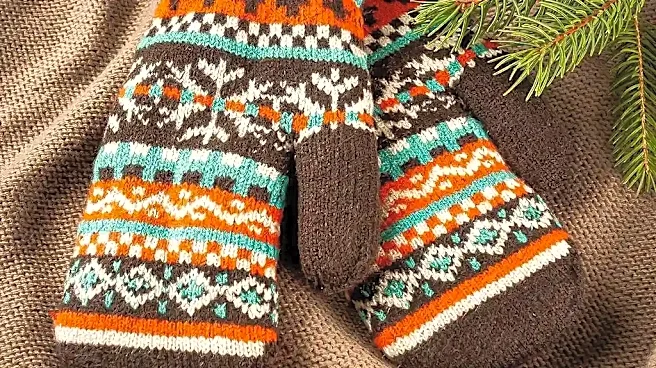
The foundation of a long-lasting sweater is its material. Traditional Nordic knitwear is prized for its use of robust, resilient wools from sheep breeds adapted to harsh climates. Icelandic wool, known as Lopi, is a standout example. It has a unique dual-layer
composition: a soft, insulating inner layer (þel) and a long, water-resistant outer layer (tog). When spun together, these fibers create a yarn that is both warm and incredibly durable. Similarly, Norwegian and Shetland wools are known for their strength and elasticity. These coarser wools have a natural 'crimp' and structure that helps the garment spring back into shape. While wonderfully soft, some finer wools like merino can be more prone to sagging if they aren't spun into a dense, multi-ply yarn. Always check the label; a high percentage of a durable wool is your first sign of quality.
Examine the Density of the Knit
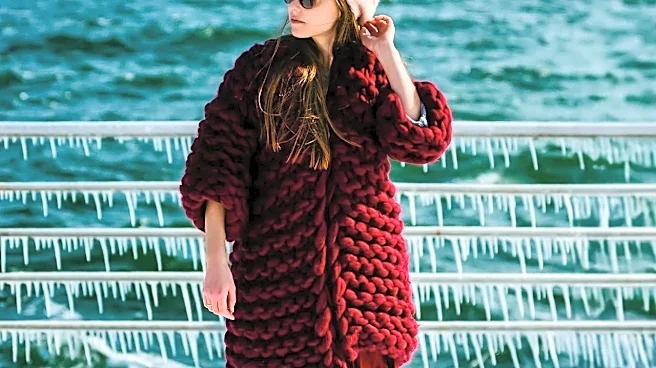
Once you've confirmed the fiber content, pay close attention to the fabric itself. A sweater that will resist sagging has a tight, dense knit. You can easily test this in a store by holding the sweater up to a light. If you can see through it easily or notice uneven, gappy patches, it's a sign of a loose knit that will likely lose its shape after a few wears. A quality garment will feel substantial and look uniform in its stitchwork. The term for this is 'gauge,' which refers to the number of stitches per inch. A higher gauge generally means a denser, more stable fabric. Gently tug on the fabric; it should feel firm and springy, not loose and flimsy. This density is crucial for preventing the garment from stretching out under its own weight, especially in heavier, chunkier styles.
Inspect the Ribs and Seams
The construction details at the cuffs, hem, and collar are critical tells of a sweater's durability. These areas are high-stress points that often show the first signs of stretching. Look for deep, firm ribbing that feels elastic. When you gently stretch a cuff, it should snap back smartly into place. Weak, loose ribbing will quickly become baggy, creating that sloppy, worn-out look. Also, examine the seams, particularly around the shoulders and armholes. High-quality knitwear is often 'fully fashioned,' meaning each panel is knitted to shape before being linked together. You can sometimes spot this from small, subtle decreases in the knit pattern near the seam, known as fashioning marks. This technique creates a superior fit and a more durable garment compared to cheaper 'cut and sew' methods where pieces are simply cut from a sheet of knitted fabric and sewn together.
Understand the Role of Blends
Don't automatically dismiss a sweater that isn't 100% wool. While a high synthetic content (over 30-40%) is often a red flag for lower quality and breathability, a small amount of a synthetic fiber like nylon can be strategic. When blended with wool, nylon can add significant strength and elasticity, helping the sweater resist pilling and prevent holes, particularly at the elbows and cuffs. This can be especially useful in everyday sweaters that see a lot of wear. However, be wary of vague labels like 'wool blend' without specified percentages. A quality manufacturer will be transparent about the composition. The goal is a blend designed for performance, not one designed to cut costs by replacing premium natural fibers with cheaper alternatives.
Proper Care Is Non-Negotiable
Even the most impeccably made Nordic sweater can be ruined by improper care. Sagging and stretching are often the direct result of how a sweater is washed and dried. The golden rule is to always lay your sweater flat to dry. A wet wool sweater is incredibly heavy, and hanging it will cause the weight of the water to pull the fibers downwards, permanently stretching the knit. When it comes to washing, hand washing in cool water with a wool-specific detergent is the safest method. Heat and agitation cause the microscopic scales on wool fibers to open up and lock together, which can cause felting and shrinking. By avoiding the washing machine's aggressive cycles and the dryer's high heat, you actively preserve the integrity and shape of the knit.