






The Original 'King of Cling'
Before we can see his ghost on the sands of South Beach, we have to understand who Azzedine Alaïa was. The Tunisian-born, Paris-based designer, who rose to fame in the 1980s, was a sculptor first and a fashion designer second. While his contemporaries
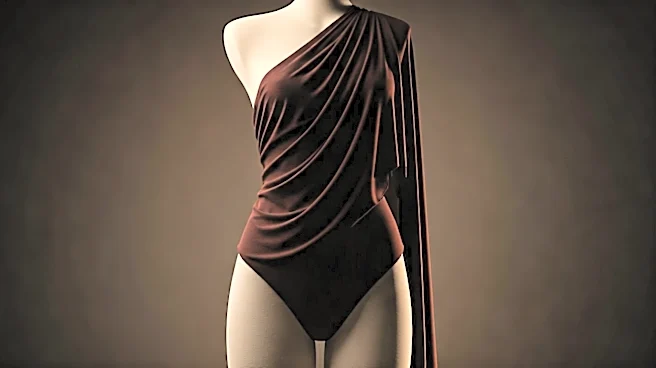
were embracing the oversized, shoulder-padded power suit, Alaïa went in the opposite direction. He carved his clothes directly onto the female form, earning the nickname 'The King of Cling.' But this wasn't about simply making tight dresses. His work was an intricate study in anatomy. He used innovative materials like stretch-viscose blends and honeycomb knits, not just for their elasticity, but for their ability to hold, shape, and celebrate the body. His iconic 'bandage' dresses were masterpieces of engineering, constructed from individual strips of fabric sewn together to create a second skin that was both empowering and incredibly sensual.
More Than Just a Tight Fit
Alaïa’s concept of 'body consciousness' is often misunderstood. It wasn't about forcing a body into a shape; it was about using clothing to reveal its inherent power and grace. He studied the form meticulously, placing seams not where patterns dictated, but where they could best flatter a curve or define a waist. Zippers ran up the entire length of a dress, tracing the spine. Intricate cut-outs and leather-laced grommets created a play of reveal and conceal, drawing the eye across the landscape of the body without being gratuitous. This was clothing as architecture, built around the human form. He famously worked outside the rigid fashion calendar, perfecting his collections until he deemed them ready. For Alaïa, the ultimate authority was the body itself, not the trend cycle.
Miami's Modern Interpretation
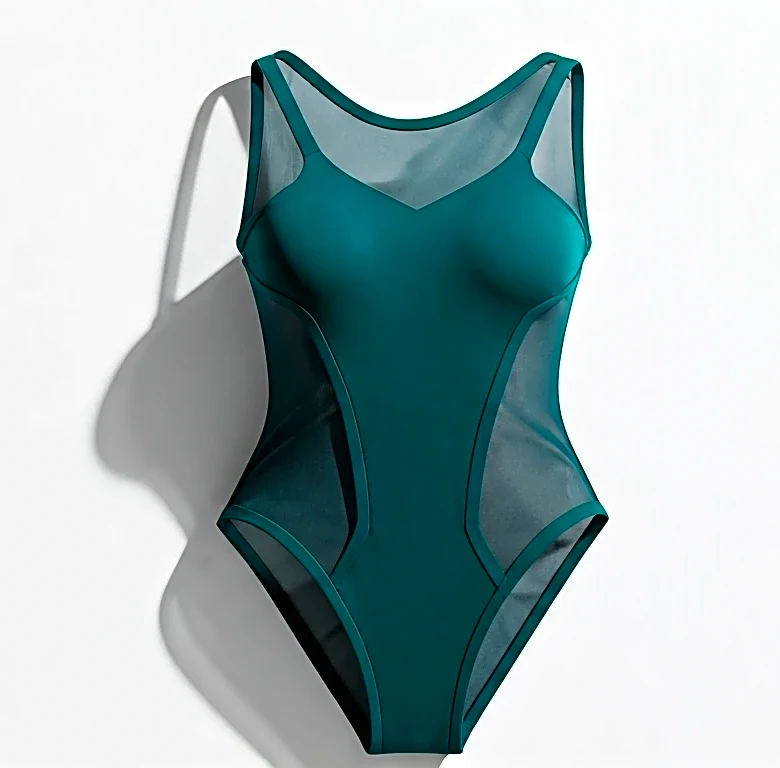
Now, fast forward to today’s Miami Swim Week. Look past the neon and florals, and the Alaïa DNA is everywhere. It’s in the explosion of intricate, multi-strap bikinis that create a web-like effect across the torso, echoing the master’s obsession with line and form. It’s in the one-pieces with daring, strategically placed cut-outs at the hips, sternum, and obliques—a direct nod to Alaïa's artful game of hide-and-seek. The prevalence of high-cut legs that elongate the silhouette is another page from his book. Designers are using fabrics with compressive, sculpting qualities that feel less like flimsy Lycra and more like the supportive, second-skin knits he pioneered. These aren't just swimsuits; they are structured garments designed to shape and celebrate, making the wearer feel held and powerful.
From Parisian Atelier to Poolside
So why is this '80s Parisian sensibility having such a moment in 21st-century American swimwear? Because swimwear is the ultimate expression of body-conscious dressing. With so little fabric to work with, every line, seam, and strap matters immensely. Modern designers are realizing what Alaïa knew all along: true sexiness isn't about how much skin you show, but how you frame it. By borrowing his techniques—the engineered fit, the anatomical seams, the structured cut-outs—they are elevating swimwear from simple beach attire to a form of wearable sculpture. It’s a move away from the purely decorative and toward something more intentional and architectural, giving wearers a sense of confidence that comes from impeccable construction.