


The Original Blueprint
It all started in 1978 with a brilliant, ruthlessly efficient idea. Director John Carpenter, working with producer Debra Hill, was given a shoestring budget of around $325,000. Every decision was dictated by that number. The script was written in under
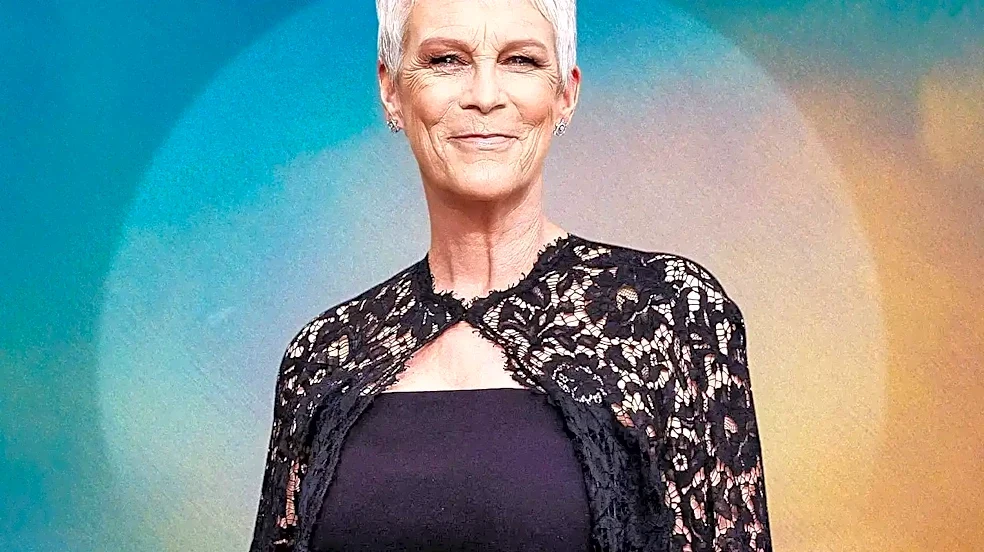
two weeks. Filming was completed in 20 days. Jamie Lee Curtis, in her film debut, reportedly had a wardrobe budget of less than $100 from JCPenney. The iconic Michael Myers mask was a modified Captain Kirk mask that cost about $2. Even the legendary, spine-chilling score was composed by Carpenter himself to save money. The result was a masterclass in suspense and one of the most profitable independent films ever made. It grossed over $70 million at the worldwide box office, a return of more than 200 times its budget, setting the template not just for the slasher genre, but for a new business model: high-concept horror on a low-risk budget.
The Sequel Struggle
Hollywood, however, rarely leaves a good thing alone. The sequels that followed throughout the 1980s and 90s saw budgets steadily inflate. 'Halloween II' (1981) had a budget of $2.5 million, and 'Halloween: H20' (1998) cost $17 million. While some were profitable, none came close to matching the astronomical return on investment of the original. The franchise became creatively diluted and financially bloated, a common fate for successful horror series. The returns were diminishing, and by the early 2000s, after a string of convoluted sequels, the series was in desperate need of a fresh start. This led to Rob Zombie’s 2007 reboot and its 2009 sequel, which, while financially successful on $15 million budgets each, were divisive among fans and critics, leaving the franchise's future uncertain once again.
The Blumhouse Revolution
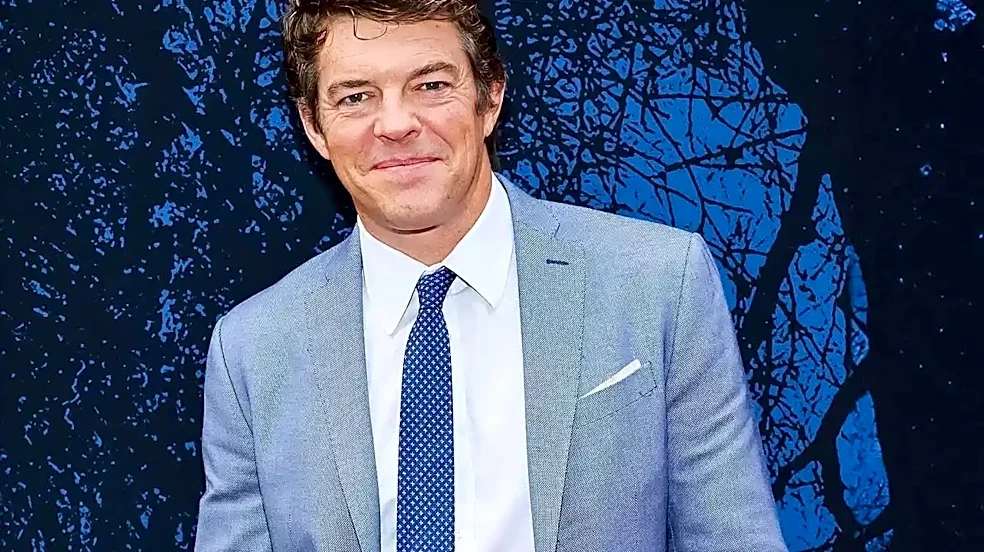
The franchise’s modern resurrection came from a production company that had perfected the original Carpenter model: Blumhouse Productions. Led by Jason Blum, the company’s entire philosophy is built on 'micro-budgets', typically keeping production costs for its horror films under $5 million. This model does two things brilliantly. First, it makes profitability almost a given. A movie that costs only a few million dollars doesn't need to be a global phenomenon to make money. Second, and more importantly, it grants filmmakers immense creative freedom. With less money at risk, studios are less likely to interfere, allowing directors to pursue a distinct vision. When Blumhouse took on 'Halloween' for its 2018 direct sequel to the original film, it applied this exact logic. The film was made for a lean $10 million.
Small Bets, Big Payoffs
The result was a cultural and financial juggernaut. 'Halloween' (2018) exploded at the box office, grossing over $255 million worldwide—a 25-fold return on its budget. The film was a hit with critics and audiences, proving the Blumhouse model could revive a beloved property by returning to its low-risk roots. This strategy also provides a crucial safety net. The two sequels, 'Halloween Kills' (2021) and 'Halloween Ends' (2022), were made for a still-modest $20 million each. Though they were far more divisive and saw diminishing box office returns, both were still highly profitable. This is the core of the strategy's genius: the budget is so controlled that even a 'disappointment' is a financial win. It allows the franchise to survive missteps and creative swings that would kill a $150 million blockbuster. It ensures that, no matter what happens on screen, another reboot is always a sound financial bet.