
The Old Guard's Gospel
For veteran Burners, the experience is guided by a sacred text: the Ten Principles. These tenets, including “Radical Self-reliance,” “Participation,” and “Decommodification,” form the foundation of an anti-consumerist,
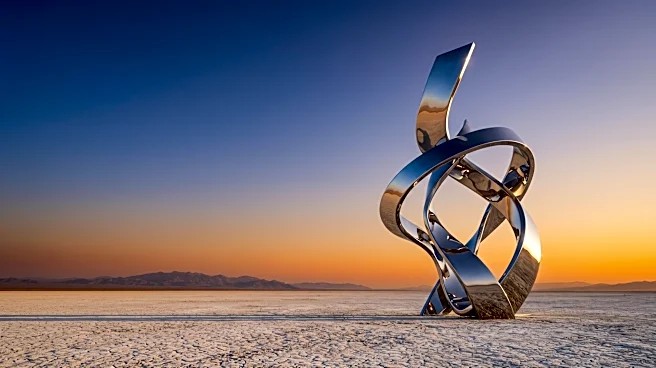
radically interactive city. The original vision was for a place that stood in stark contrast to the outside world—a gritty, unpredictable landscape where you didn't just consume experiences, you co-created them. Entertainment wasn’t a scheduled DJ set; it was a spontaneous drum circle, a bizarre, interactive art piece someone built in their garage, or a mutant vehicle shaped like a fire-breathing octopus. It was about what you had to contribute—to say, make, do, and share—not what you could passively watch. The goal was transformation, not transaction, and the magic was in the unpolished, immediate, and often inconvenient reality of building a city from nothing.
The New Wave: Plug-and-Play and the Playa-as-Content
Enter a new generation, digitally native and fluent in the language of social media. For many Gen Z attendees, the impulse to document and share is second nature. This has led to the rise of what critics call the “Coachella-ification” of Burning Man. The criticism often centers on two trends: the proliferation of Instagram influencers and the growth of “plug-and-play” camps. These camps can offer all-inclusive, luxury packages with private chefs and air-conditioned yurts, undermining the core principle of radical self-reliance. For some younger attendees, the playa is seen as the ultimate backdrop. The event becomes content, with carefully curated photoshoots and brand tags that fly in the face of “decommodification.” This approach treats Burning Man less like a participatory community and more like a photogenic festival—a place to be seen, rather than a place to be.
The Clash Over Authenticity
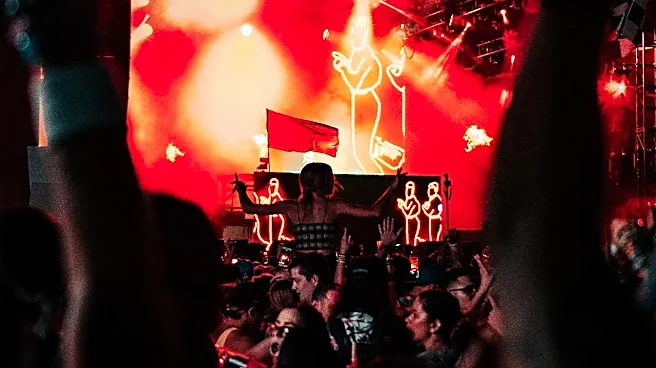
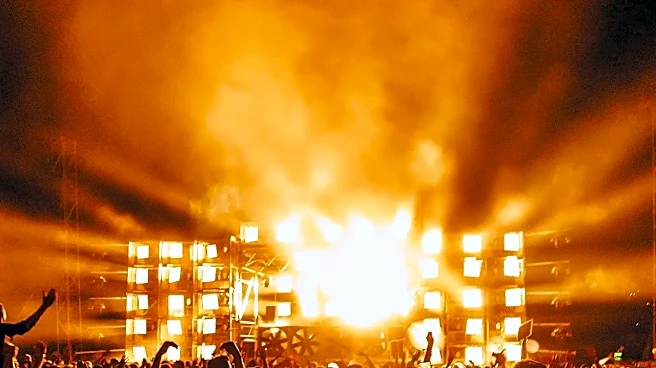
The central conflict boils down to participation versus performance. Old-school Burners might argue that true entertainment is finding a tiny, strange art car offering grilled cheese at 4 a.m., staffed by people who are part of the art. The newer interpretation can sometimes favor massive, professional stages with world-famous DJs, which feels more like a conventional music festival. While top-tier artists have long been part of the fabric, the tension grows when these experiences feel more like a product to be consumed than a gift to be participated in. The very act of spectating can be at odds with the event’s ethos. As Burning Man CEO Marian Goodell has noted, there's a distressing trend of attendees acting as consumers rather than co-creators of the city.
Is a Sponsored Post the New Corporate Logo?
Decommodification is arguably the most sacred and contested principle. The rule is simple: no money, no logos, no advertising. But social media has created a massive gray area. To a veteran Burner, an influencer tagging a fashion brand in their playa photo is a cardinal sin, using the community's collective art as a backdrop for personal or commercial gain. For a Gen Z creator, however, their online presence is their reality, and brand partnerships are a native part of their world. The conflict highlights a generational divide in the understanding of commerce. One side sees a clear violation of a foundational rule, while the other may see a seamless blend of personal expression and digital life. The organization itself has been clear, stating that using the event for marketing or to grow a following is against the rules and offensive to the artists and participants who build the city.