




The Siren Song of 'Costume Satin'
Walk into any big-box fabric store, and you’ll be greeted by bolts of shiny, colorful, and irresistibly cheap polyester satin. Often labeled as “charmeuse” or simply “costume satin,” this fabric seems like the perfect choice for everything from princess
gowns to superhero capes. It’s affordable, available in every conceivable color, and has that signature sheen we associate with fantasy and formalwear. For cosplayers on a budget, it feels like a practical and obvious choice. Many creators start here, lured by the low cost and high shine, only to find themselves fighting a losing battle against a difficult and unforgiving material that ultimately cheapens the look of their project.
The High-Shine Problem
The number one issue with cheap polyester satin is its intense, plastic-like shine. While a bit of luster can look luxurious, costume satin often reflects light like a mirror. Under the harsh lights of a convention hall or the unforgiving lens of a camera, this high-gloss surface blows out highlights, obscures detail, and makes the garment look flat and artificial. Natural silk or higher-quality synthetic satins have a softer, more pearlescent sheen that scatters light, giving the fabric depth and a richer appearance. Cheap satin just looks bright and, unfortunately, cheap. It screams “costume” in a way that undermines the illusion you’ve worked so hard to create.
A Nightmare to Sew
Beyond its appearance, cheap satin is notoriously difficult to work with. The material is incredibly slippery, making it a challenge to cut accurately and sew straight seams. It frays excessively, turning your sewing space into a mess of loose threads and threatening the integrity of your seams before you’ve even finished. The fabric is also unforgiving of mistakes. Needle holes become permanent marks, and seams are prone to puckering under even slight tension, creating a bumpy, unprofessional finish. Without skilled handling and specialized techniques, what should be a smooth, elegant garment can end up looking poorly constructed.
Satin Alternatives That Elevate Your Craft
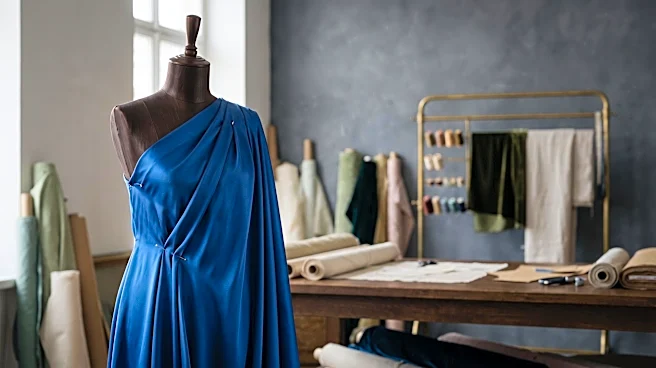
The good news is that avoiding the cheap satin trap doesn't necessarily mean breaking the bank on pure silk. Several superior alternatives offer a more professional look without a massive price jump. Look for fabrics like crepe-back satin, which has a softer sheen and a more manageable texture. Duchess satin is another excellent choice; it's heavier, has more body, and offers a subtle, luxurious luster perfect for structured gowns and formal pieces. For a matte finish with a similar weight, cotton sateen is a fantastic option that is easy to sew and holds its shape well. Even within polyesters, better grades exist. Bridal satin, for instance, is designed to be more durable and have a more refined appearance than its cheaper costume counterpart.
Making Any Satin Work for You
If you must use a slippery satin, a few techniques can make the process less painful. Use a rotary cutter and a cutting mat for more precise cuts instead of shears. Pin extensively within the seam allowance to prevent the fabric from shifting, or use sewing clips. Always start with a fresh, sharp needle (a microtex needle is often recommended) to avoid snagging the delicate threads. Lowering your machine's thread tension can help prevent puckering, and finishing every raw edge with a zigzag stitch or serger is non-negotiable to control fraying. These extra steps are crucial for taming the fabric and achieving a clean result.