


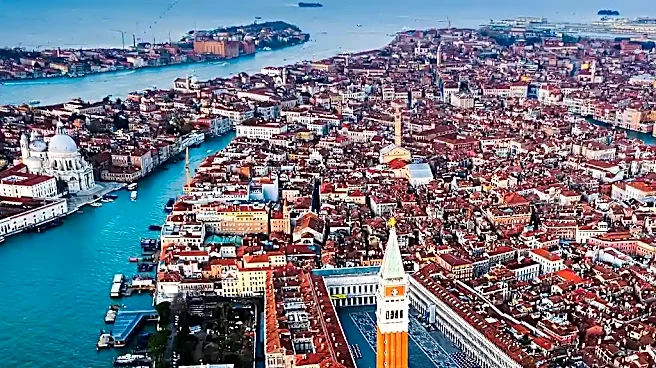


The Streamer Crashes the Lido
Not long ago, the idea of a movie premiering on a streaming service receiving a prestigious festival launch was unthinkable. Film festivals were sacred ground, built to celebrate the theatrical experience. While the Cannes Film Festival famously took
a hard line, largely barring films without a planned French theatrical release, Venice saw an opportunity. Festival director Alberto Barbera recognized that the landscape was shifting and that ignoring powerful new players like Netflix was not a sustainable strategy. The festival's decision to welcome Netflix's first original film, "Beasts of No Nation," back in 2015 was a calculated risk. It signaled a willingness to engage with the digital future, even as it drew criticism from cinema traditionalists and Italian exhibitors who felt their role was being undermined.
A Black-and-White Game Changer
The turning point came in 2018. That year, Alfonso Cuarón’s masterpiece, "Roma," a deeply personal, black-and-white film financed by Netflix, didn't just screen at Venice—it won the Golden Lion, the festival's highest honor. This was a seismic event. It was the first time a film produced by a streamer had won the top prize at a major international film festival. The victory was twofold: Netflix earned the artistic prestige it desperately craved, proving it was more than just a content library, and Venice solidified its reputation as a forward-thinking kingmaker and a crucial launchpad for the Academy Awards. The win for "Roma" quieted many critics and opened the floodgates for other A-list directors to see Netflix as a viable home for their passion projects.
A New Normal for A-List Talent
Following the success of "Roma," Venice became the preferred festival for Netflix's awards contenders. Directors like Jane Campion ("The Power of the Dog") and Paolo Sorrentino ("The Hand of God") premiered their Netflix-backed films on the Lido, benefiting from the festival's glamour and critical attention before a global streaming release. This created a powerful new pipeline: a director gets creative freedom and a healthy budget from Netflix, their film gets a prestigious world premiere at Venice to build buzz and legitimacy, and then it becomes a major contender during awards season. For Venice, the arrangement brought a steady stream of star power and high-quality films at a time when traditional studios were increasingly focused on franchise blockbusters.
The Red Carpet and the Red 'N'
By 2026, what was once a controversial partnership has become the new establishment. This year's festival is a testament to how deeply integrated Netflix has become. The streamer is arriving with a formidable slate, including Danny Boyle's highly anticipated film "Ink" as the festival's opening night selection, and a potential Golden Lion contender from celebrated Korean director Lee Chang-dong, "Possible Love." The presence of Netflix is no longer a question but a core component of the festival's programming and business strategy. The relationship has evolved from a cautious experiment to a powerful symbiosis. Venice provides the cultural cachet, and Netflix provides a firehose of high-profile content and A-list talent, ensuring the festival remains a global media event.