




The Power of an Unkillable Icon
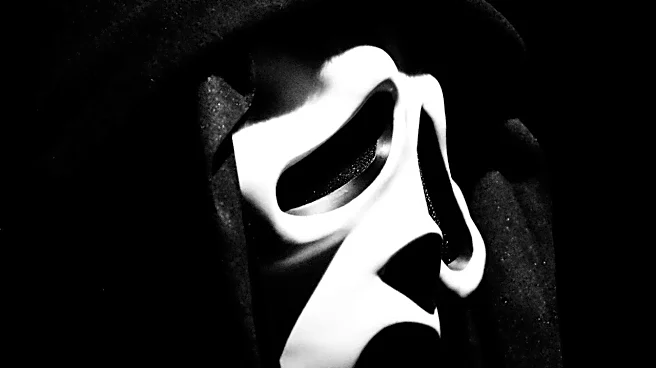
You can't explain the success of the modern 'Halloween' films without starting in 1978. John Carpenter's original wasn't just a movie; it was a phenomenon that essentially blueprinted the modern slasher film. Michael Myers, called 'The Shape' in the credits,
became more than a villain. He is a piece of cultural shorthand for pure, motiveless evil. Unlike Freddy Krueger with his one-liners or Jason Voorhees with his tragic backstory, Michael is terrifyingly blank. That blankness allows each generation to project its own fears onto his mask. This foundational power means that any new 'Halloween' film isn't just selling a movie; it's selling another chapter in a modern American myth. It's an event that people have grown up with, making it a familiar, if frightening, part of the autumn season.
The Blumhouse Effect and a Stroke of Genius
The franchise languished for years in a swamp of convoluted sequels and poorly received remakes. Then came Blumhouse Productions. Known for its 'low budget, high concept' model, Blumhouse has turned horror into a reliably profitable machine with hits like 'Get Out', 'Paranormal Activity', and 'The Purge'. Applying this model to 'Halloween' was step one. Step two was the stroke of genius: the 2018 film, simply titled 'Halloween', was marketed as a direct sequel to the 1978 original, erasing every other movie from the timeline. This masterstroke cut through decades of confusing lore, inviting both die-hard fans and newcomers. It brought back Jamie Lee Curtis as a battle-hardened Laurie Strode, creating a powerful narrative hook that made the film a must-see cultural event. The result was a staggering $259 million worldwide on a lean $10 million budget, making it the highest-grossing slasher film of all time.
Nostalgia and Event-Driven Viewing
The 2018 film's massive success was fueled by more than just a clever timeline reset. It was a potent dose of nostalgia. It didn't just bring back a character; it brought back a feeling. For many, seeing a 'Halloween' movie in a packed theater is a seasonal ritual. Universal Pictures capitalized on this by positioning the film's release as the definitive kick-off to the Halloween season. This strategy transforms the movie from a simple consumer product into a shared cultural experience. Even as its sequels, 'Halloween Kills' and 'Halloween Ends', earned more divisive reviews from critics and fans, they still posted strong opening weekends. People weren't just showing up to see if the movie was 'good'; they were showing up because it was 'Halloween'. The brand itself had become the main attraction.
Redefining Success in the Streaming Age
While the box office returns for 'Halloween Kills' ($133 million worldwide) and 'Halloween Ends' ($103 million worldwide) didn't reach the dizzying heights of the 2018 installment, they were still highly profitable against their modest $20-$30 million budgets. Furthermore, both sequels were released simultaneously in theaters and on the Peacock streaming service. While this may have dampened their total box office haul, it provided a massive subscriber draw for the platform. 'Halloween Ends' was a huge streaming performer for Peacock, proving the franchise's value extends beyond ticket sales. In the modern media landscape, a film's success isn't just measured by its theatrical run. For a studio like Universal, the 'Halloween' franchise serves a dual purpose: it drives audiences to theaters and anchors its streaming service with highndemand content, ensuring Michael Myers remains a profitable force no matter where people are watching.