




The Stage Was Set for a Slaughter
To understand the controversy, you have to remember the hype. The 2018 'Halloween' was a juggernaut, a critically acclaimed and commercially massive success that grossed over $255 million worldwide. It masterfully rebooted the franchise for a new era,
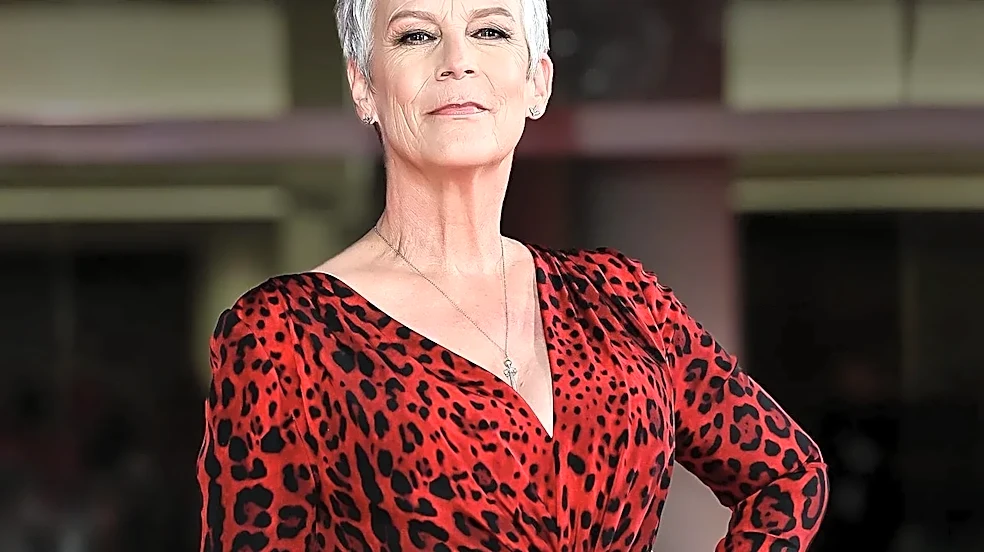
serving as a direct sequel to the 1978 classic and bringing back Jamie Lee Curtis as a battle-hardened Laurie Strode. Fans and critics loved it, giving it a 'B+' CinemaScore and a 79% on Rotten Tomatoes. The sequel, 'Halloween Kills,' was one of the most anticipated horror films in years. Delayed by the pandemic from its original 2020 release date, anticipation was at a fever pitch by October 2021. Everyone expected another box office monster. Then came the twist no one saw coming: Universal announced it would premiere day-and-date, hitting theaters and the Peacock streaming service simultaneously.
The Theatrical Purists' Argument
For legions of horror fans, this decision felt like a betrayal. A movie like 'Halloween,' built on atmosphere, jump scares, and collective tension, is designed for a packed, dark theater. The argument was simple: watching Michael Myers stalk his victims is a communal experience. You feed off the gasps, screams, and nervous laughter of the crowd. Experiencing it at home, with potential distractions, bright lights, and the temptation to pause, fundamentally diminishes the film's impact. Many felt the studio was sacrificing artistic integrity and the optimal viewing experience to prop up its fledgling streaming service. This camp believed the move would not only hurt the movie's box office potential but also cheapen the event status that the 2018 film had so successfully cultivated.
Universal's Peacock Gambit
From Universal's perspective, the logic was purely business. In the uncertain landscape of the 2021 box office, where the pandemic still loomed, a hybrid release was a hedge. More importantly, it was a strategic move to 'eventize' Peacock. By placing a major, highly anticipated film on the service at no extra cost to premium subscribers, Universal was providing an immense incentive for horror fans to sign up. Producer Jason Blum, typically a champion of the theatrical model, even revealed it was his idea. He cited the poor distribution and box office performance of a previous Blumhouse film, 'Freaky,' as a cautionary tale and didn't want 'Halloween Kills' to suffer a similar fate where there was 'an excuse why people didn't see it'. The studio gambled that the Peacock subscriptions would offset any potential box office losses.
The Numbers: A Tale of Two Stories
When the dust settled, both sides could claim a victory of sorts. 'Halloween Kills' defied expectations by opening to a massive $50.4 million domestically, the best opening for a day-and-date horror film during the pandemic. It proved that the core fanbase would still show up to theaters. However, the film's theatrical legs were short. It dropped off sharply in subsequent weeks and ended its domestic run with $92 million—a significant step down from the $159 million earned by its predecessor. The simultaneous streaming release was also a hit for Peacock, becoming the service's most-watched non-live event premiere. But the availability of a pristine digital copy from day one was also blamed for increased piracy, potentially further cutting into ticket sales.
Divided Fans, Divisive Film
Beyond the financial debate, the release strategy became entangled with the film's polarizing reception. 'Halloween Kills' was a far more brutal and narratively chaotic film than its predecessor, earning a middling 39% on Rotten Tomatoes and a disappointing 'B-' CinemaScore from audiences. The film's focus on mob mentality and the infamous 'Evil Dies Tonight' chant became a point of contention. Some fans loved the unrelenting carnage and depiction of Michael as an unstoppable force, while others found the story messy and the characters frustrating. The controversy over its release only amplified this divide. Did watching it in a less-than-ideal home setting contribute to the negative reactions? Or was the film simply a lesser-quality sequel? It’s impossible to separate the two entirely, and the conversation around the film's merits remains inseparable from how people first saw it.