







The Finality Factor
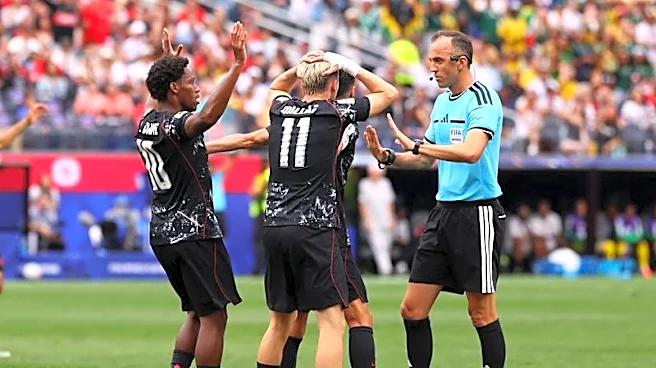
The single greatest source of pressure in a knockout match is its absolute finality. Unlike a regular season game where a loss can be avenged next week, here there is no tomorrow. This binary outcome—win or go home—triggers a powerful psychological bias
known as loss aversion. Research shows that humans feel the pain of a loss roughly twice as acutely as they feel the joy of an equivalent gain. In a knockout context, athletes aren't just playing to win; they are playing not to lose. That shift changes everything. The fear of squandering a season's worth of work, of letting down teammates and millions of fans, creates a mental burden that doesn't exist in the same way during a best-of-seven series or a league season. Every decision is magnified, and every mistake feels potentially fatal.
The Body's Betrayal
Under extreme stress, an athlete’s body can feel like a foreign entity. The brain's "fight or flight" response floods the system with hormones like cortisol and adrenaline. While a small amount can heighten focus, an overdose does the opposite. Muscles that are usually fluid and responsive become tight and stiff, which can disrupt fine motor skills and increase injury risk. This leads to the dreaded phenomenon known as “choking,” where an athlete’s performance plummets under pressure. It's not a lack of skill but a mental breakdown with physical consequences. Well-practiced, automatic actions suddenly require conscious thought, a state sports psychologists call "paralysis by analysis." An athlete overthinks the mechanics of a free throw or a putt, and the natural, fluid motion they've practiced a million times disappears.
An Echo Chamber of Emotion
A stadium filled with 80,000 anxious people is more than just a loud venue; it’s a living, breathing organism of collective emotion. Crowd psychology suggests that in large groups, individual anxieties merge into a single, overwhelming force. Every cheer, groan, and whistle creates a real-time feedback loop for the players on the field. The home crowd can provide a significant boost, with studies showing home-field advantage is amplified by fans, influencing player effort. Conversely, the deafening noise can disrupt communication and create a hostile environment for the visiting team. This shared emotional state, where tens of thousands of people experience hope and dread in unison, makes the pressure tangible. Players can feel the weight of those collective expectations with every touch of the ball.
The Weight of the Narrative
Finally, knockout matches are rarely just about the 90 minutes on the clock. They are about history, legacy, and narrative. A team might be playing to end a 50-year championship drought. A star player might be trying to cement their place among the all-time greats. An underdog might be carrying the hopes of an entire nation on its shoulders. This is known as pressure asymmetry, where a heavy favorite plays with a fear of failure that the underdog simply doesn't have. This fear can lead to favorites playing timidly, trying to avoid a loss rather than aggressively seeking a win. Every play is freighted with the ghosts of past failures or the promise of future glory, adding yet another layer of psychological weight to an already unbearable situation.