



From the Docks to the Duomo
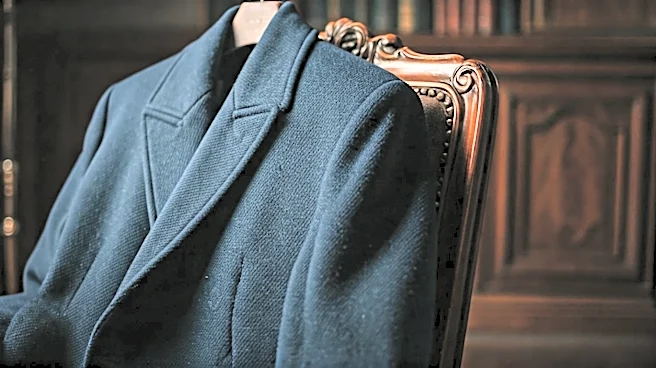
Before it was a symbol of elegance, the navy coat was a tool of survival. Its story begins not in a Milanese atelier, but on the windswept decks of naval ships. The classic peacoat, often crafted from heavy, dark navy wool, was designed for warmth, durability,
and protection against the elements. The color itself was a practical choice—dark enough to hide dirt and stains, yet distinct from the black worn by other officers. This heritage of utility is fundamental to its appeal. Great menswear is almost always rooted in function. The trench coat has its military origins, the denim jacket its workwear history. The navy coat follows this pattern. Italian style, for all its perceived flair, is built on a foundation of practicality. An Italian man appreciates a garment that works. The coat’s simple, effective design provided a perfect, unpretentious starting point for decades of stylistic evolution.
The Power of a Perfect Color
The choice of navy is no accident; it’s a masterstroke of color theory. Black can be severe, funereal, and difficult to pair with other dark colors like brown or even other shades of black. Navy, however, is the ultimate social chameleon. It possesses the formality and seriousness of black but with a softer, more approachable edge.
It pairs effortlessly with the entire menswear palette: grey flannel trousers, beige chinos, olive corduroys, and every shade of denim. It provides a rich, deep backdrop that makes other colors pop. A burgundy scarf or a crisp white shirt looks more intentional against navy. In a country where dressing well is a form of social communication, navy is the most fluent and versatile dialect. It signals sophistication without shouting, confidence without arrogance.
The Ultimate Canvas for Sprezzatura
This is where the navy coat truly becomes Italian. *Sprezzatura* is the art of studied carelessness—looking impeccably put together without appearing to have tried at all. It's a difficult balance to strike, and it requires a wardrobe of reliable, understated staples. The navy coat is the ultimate enabler of sprezzatura.
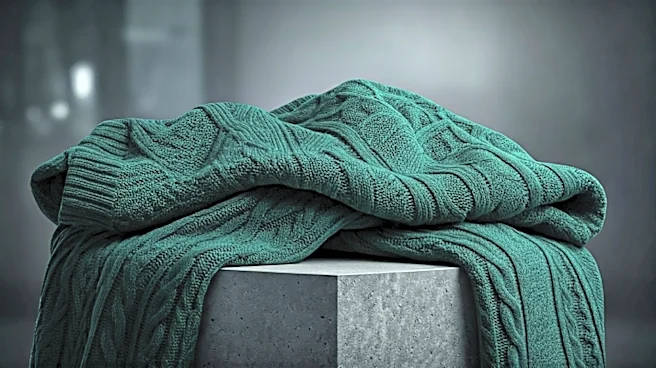
Because the coat itself is so classic and unassuming, it allows the wearer's personality to shine through. You can wear it with the collar popped, over a rumpled-but-expensive linen shirt, or thrown casually over a chunky knit sweater. It doesn't demand attention, which paradoxically makes the man wearing it seem more confident. Unlike a loud, patterned coat that wears *you*, the navy coat serves as a quiet, handsome frame. It’s the sartorial equivalent of a quiet nod from across the room—it says everything without saying a word.
A Showcase for Italian Craft
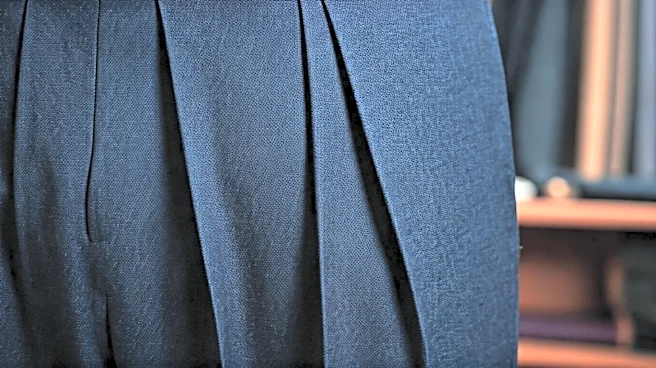
A simple design leaves no room for poor execution. When the silhouette is this clean, the focus shifts entirely to two things: fabric and fit. This is where Italian craftsmanship excels. A navy coat from a brand like Loro Piana, Brunello Cucinelli, or Zegna becomes a testament to material excellence. The wool is softer, the cashmere has a richer drape, the buttons are horn, not plastic.
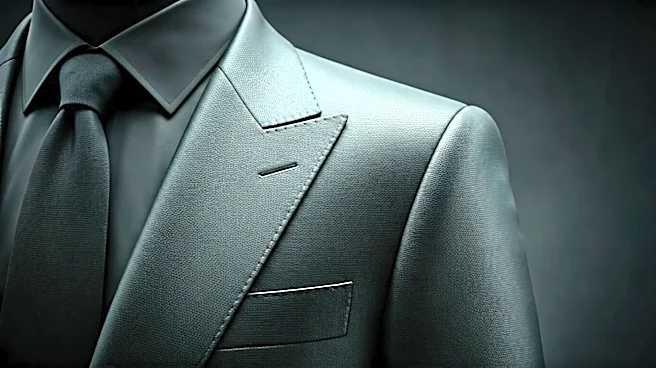
The cut is everything. Italian tailors have perfected a silhouette that is structured but not stiff, flattering the shoulders and torso without constricting movement. The details are subtle but essential—a gentle roll of the lapel, surgeon's cuffs, a perfect lining. A simple navy coat, in the hands of an Italian artisan, becomes a quiet luxury item. It’s a garment meant to be owned for a decade, not a season, its quality becoming more apparent with time.