





Flipping the ‘Aha!’ Moment
In drama, there’s a term for it: anagnorisis. It’s the critical moment of recognition, when a character moves from ignorance to knowledge. Think Darth Vader’s bombshell in “The Empire Strikes Back.” It’s a scene that provides a shocking, but clarifying,
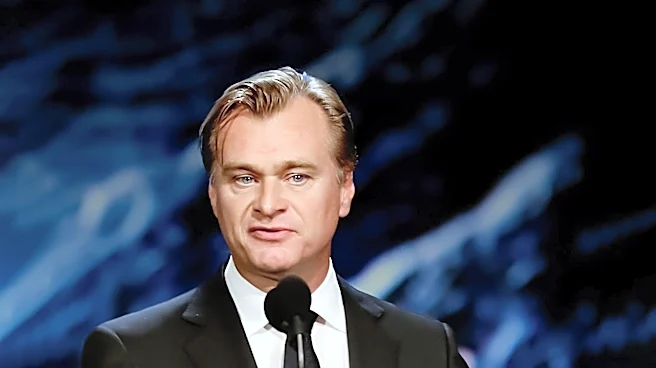
answer. Christopher Nolan, however, isn’t interested in easy answers. His films consistently take this concept and turn it inside out. For Nolan, knowledge isn’t power; it's a trap. A recognition scene in his hands doesn't resolve tension—it creates it. The truth doesn't set his characters free; it imprisons them in a new, more terrifying reality. He builds his narratives like puzzles where finding a piece only reveals how much of the board is still terrifyingly blank.
When Discovery Is a Burden
Look at “The Prestige.” The entire film is structured as a magic trick, built around the obsession of two rival magicians trying to uncover each other's secrets. When Robert Angier (Hugh Jackman) finally recognizes the horrifying truth behind Alfred Borden’s (Christian Bale) method, it’s not a moment of triumph. It is a moment of profound existential dread. The discovery doesn’t lead to a feeling of victory, but to a soul-crushing revelation about the cost of obsession. Nolan structures the narrative so the audience pieces together the puzzle alongside the characters, making the final recognition a shared burden. You, the viewer, are implicated in the discovery. The knowledge is a weight, not a prize, transforming a moment of clarity into the start of a tragedy.
The Slow Burn of Dread in ‘Oppenheimer’
Nowhere is this technique more maturely handled than in “Oppenheimer.” The film is essentially one long, agonizing recognition scene. J. Robert Oppenheimer (Cillian Murphy) isn’t uncovering a single secret; he’s slowly recognizing the monstrous implications of his own creation. Nolan uses a fractured timeline not to confuse, but to build a suffocating sense of inevitability. We see Oppenheimer’s scientific triumph intercut with his later political persecution. The suspense comes from watching a man realize, step by painful step, that the world-changing power he unleashed is something he can neither control nor escape. The film’s devastating final scene, a quiet conversation with Albert Einstein, is the ultimate Nolan-esque recognition: a quiet, chilling acknowledgment that his success has potentially doomed the world. The discovery brings no closure, only the suspense of a future left hanging in the balance.
What's Next in 'The Odyssey'?
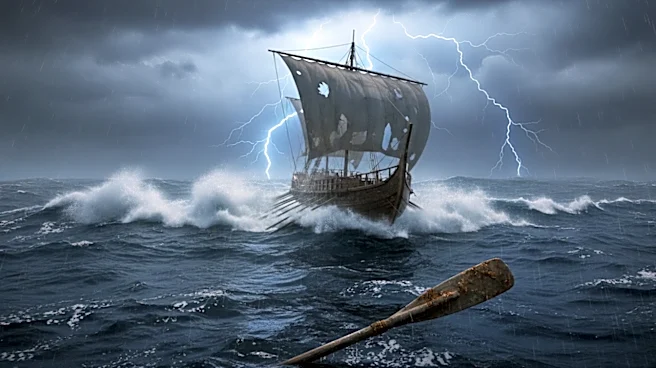
With Nolan's next film, an adaptation of Homer's “The Odyssey” slated for a July 17, 2026 release, the potential for this technique is immense. The original epic is built on a series of recognition scenes—anagnorises—as the disguised Odysseus returns home and is gradually identified by his dog, his son, and finally, his wife Penelope. In a classic telling, these are moments of joyful, tearful reunion. But in Nolan's hands? One can only imagine the suspense. He might frame Odysseus’s return not as a heroic homecoming, but as a suspenseful infiltration. Each recognition could be a tightrope walk, fraught with the danger of his identity being exposed to his enemies before he is ready. Penelope's final recognition, a test of Odysseus's secret knowledge about their bed, is already a masterclass in suspense. For a director who thrives on transforming knowledge into anxiety, Homer’s epic isn’t just a story—it’s a perfect machine for generating suspense.