




An Afternoon of Panic
Hours before Brazil were set to defend their world title against host nation France, the team’s pre-game routine was shattered. After a team lunch, players retired to their rooms to rest. In the room he shared with teammate Roberto Carlos, the 21-year-old
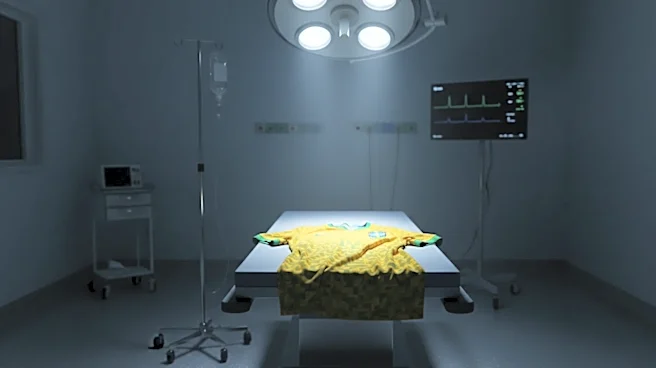
Ronaldo—the best player on the planet and the tournament's biggest star—suffered a convulsive fit. Carlos, terrified, screamed for help. Teammates and medical staff rushed in to find a horrifying scene: Ronaldo was shaking uncontrollably and foaming at the mouth. The initial shock and panic that gripped the team hotel would soon spread to the entire sporting world.
The Team Sheet That Stunned the World
At 7:48 p.m. local time, just 72 minutes before kickoff, Brazil submitted its official starting lineup to FIFA. The global press corps, gathered at the Stade de France, began to scan the names. Then came the bombshell: Ronaldo was not on the list. In his place was the talented but volatile striker Edmundo. For a few chaotic minutes, this was the story. Commentators like the BBC's John Motson described scenes of "absolute mayhem" as journalists scrambled to understand why the world's best player had vanished from the biggest game in football. The mystery had begun.
A Last-Minute Reversal
While the world was in a frenzy, Ronaldo was returning from a local clinic where he had undergone a series of neurological tests. The tests reportedly showed nothing abnormal. Armed with this medical clearance, a determined Ronaldo arrived at the stadium and informed coach Mário Zagallo that he was fit and had to play. Zagallo was caught in an impossible situation. At 8:18 p.m., a revised team sheet was submitted: Ronaldo was back in, and Edmundo was out. The decision to play a superstar who had suffered a seizure just hours earlier remains one of the most debated coaching calls in sports history. One of the team doctors later admitted the immense pressure, saying if he had stopped Ronaldo from playing and Brazil lost, he'd "have to go and live on the North Pole.”
A Ghost on the Pitch
Brazil, which had looked so dominant throughout the tournament, appeared shaken before a ball was even kicked. The Ronaldo who played that night was a shadow of himself. Lethargic, disconnected, and a step behind the play, he was a passenger in a game he was supposed to define. France, led by the magnificent Zinedine Zidane, took complete control. Zidane scored two first-half headers from corners, and Emmanuel Petit added a third goal late in the match to seal a decisive 3-0 victory for France, its first-ever World Cup title. Ronaldo was on the field for the full 90 minutes, but his presence was more of an unnerving mystery than a threat.
The Lingering Questions and Theories
In the aftermath, Brazil was left to grapple with the shocking defeat and the unanswered questions about its star player. A parliamentary inquiry was even launched in Brazil to investigate the events. Several theories emerged over the years. Some suggested the convulsion was a stress-induced episode, a physical breakdown under the immense pressure of carrying a nation's hopes. Others pointed to a potential bad reaction to a painkilling injection for his knee. The most persistent and controversial theory involved Nike, Brazil's powerful sponsor, allegedly pressuring the team to play its biggest marketing asset, no matter the medical risk. Though no definitive proof ever emerged for any single theory, the lack of a clear explanation has allowed the mystery to endure for decades.