



Choose Your Formula Wisely
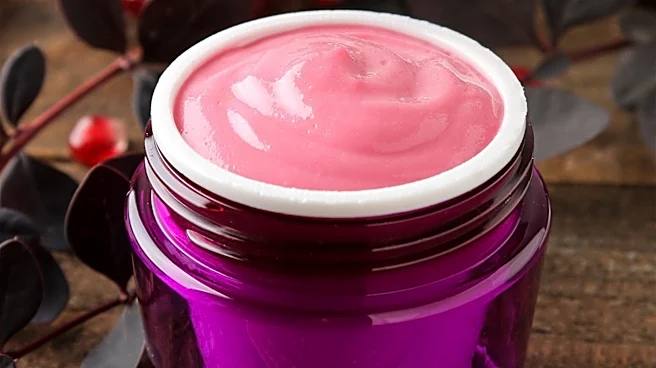
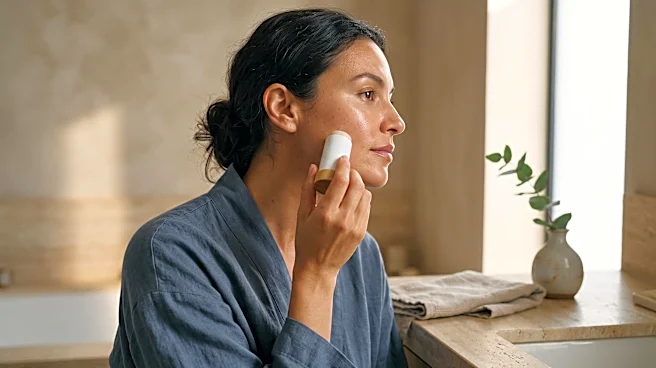
The secret to a natural, non-theatrical blush begins with the product itself. While powders are classic, cream and liquid blushes are often the heroes of a subtle, skin-like finish. Cream and liquid formulas tend to melt into the skin, creating a genuine
“lit-from-within” glow rather than sitting on top of it. This makes them incredibly forgiving and easy to blend. They are especially ideal for those with dry or mature skin, as their hydrating properties can lend a dewy, youthful radiance. Powder blushes are better suited for those with oily skin or for looks that require a long-lasting matte finish. For a truly modern, wearable take on a runway trend, starting with a sheer, buildable cream or liquid is your safest and most effective bet.
Master a Modern Placement
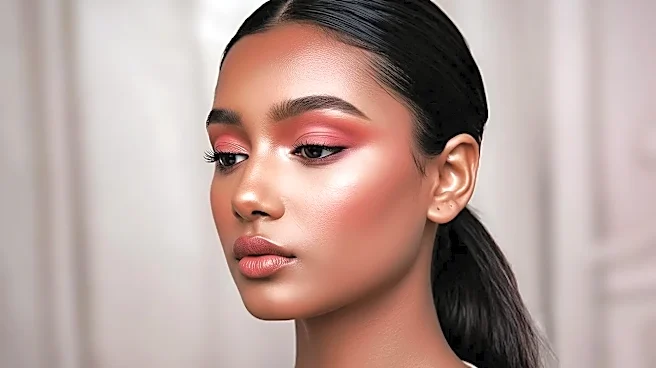
Forget the old advice to smile and pop blush on the apples of your cheeks. While that creates a classic look, modern techniques focus on lifting and sculpting the face. One of the most adaptable runway trends is “blush draping.” This involves sweeping blush higher on the cheekbones and blending it upward toward the temples in a “C” shape. This placement draws the eye upward, creating a lifted, defined effect without the need for traditional contour. To make it wearable for every day, use a light hand and start higher on the cheekbone than you normally would. Blend the color upward and outward, keeping the most intense pigment toward the outside of your face. This subtle shift in placement can make a bold color feel intentional and sophisticated, rather than doll-like.
Find Your Perfect Shade
Runway looks often feature unconventional blush colors, but you don't need to use neon pink to capture the spirit of the trend. The key is to find a shade that complements your skin's undertones. A simple trick is to gently pinch your cheeks and try to match the natural color that appears. For fair skin, soft pinks and peaches provide a delicate flush. Medium skin tones are enhanced by warm peachy or coral shades. Rich berries and deep bronzes look stunning on deeper skin tones, adding vibrancy and depth. If you do want to experiment with a bolder runway color, like a bright orange or purple, find a much softer, more muted version of that shade. A sheer apricot can give the essence of an orange blush, while a soft lavender can provide a surprisingly flattering and modern cool-toned flush.
Blend Like Your Life Depends On It
The single most important step in making any blush look natural is blending. Harsh lines are the number one giveaway of theatrical makeup. The tools you use matter. For cream blushes, the warmth of your fingertips can be the best tool for melting the product seamlessly into your skin. A damp beauty sponge is also excellent for tapping and pressing the color in for a diffused finish. For powder blushes, a fluffy, angled brush allows for a light, controlled application. No matter your tool, the technique is the same: blend until you can no longer tell where the blush begins and your skin ends. If you ever feel you’ve applied too much, don't panic. Simply go over the area with a clean brush or your foundation sponge to soften the edges.
Try the 'Underpainting' Trick
For the ultimate foolproof method, borrow a secret from professional makeup artists: underpainting. This technique flips the traditional makeup order on its head. You apply your cream or liquid blush (along with contour and concealer) before you apply your foundation. After blending your blush onto your bare or primed skin, you then apply a sheer layer of foundation over the top. The foundation acts as a filter, diffusing the blush from underneath. This creates an incredibly realistic, soft-focus flush that truly looks like it’s coming from within your skin. It's almost impossible to look overdone with this method, making it the perfect way to experiment with bolder colors or placements with total confidence.