




Meet the 'Chaos Catalyst'
Let’s call this character the Chaos Catalyst. They aren't the hero of the story, and they certainly don't follow the hero's rules. This is the character who operates on their own bizarre logic, driven by motivations that are often selfish, impulsive,
or just plain weird. They are the human embodiment of a plot twist, the friend who convinces the protagonist to make a bad decision that turns into a great story. While the main character is burdened with being relatable and moving the plot forward in a logical way, the Chaos Catalyst is free to be messy, unpredictable, and endlessly entertaining. Their primary function isn't just to provide comic relief or be a sidekick; it's to inject pure, unadulterated energy into the narrative. They are the agent of change, creating conflict and tension that forces the protagonist to react, grow, and become more interesting themselves.
Why Writers (and Audiences) Need Them
From a writing perspective, the Chaos Catalyst is a powerful tool. They can jumpstart a stalled plot, reveal hidden facets of the main character, or provide a completely different perspective on the show's central conflict. Need to get your sensible lead into a ridiculous situation? Send in the Chaos Catalyst. Want to test the protagonist's moral compass? Have the catalyst propose a wild, unethical solution. Audiences, in turn, are drawn to their magnetic unpredictability. In a world of carefully crafted, focus-grouped heroes, the catalyst feels refreshingly authentic in their flaws. They say the things we wish we could, act on impulses we suppress, and generally operate without a filter. Characters like NoHo Hank from "Barry," who was reportedly meant to be killed off in the pilot but was too compelling to lose, perfectly embody this. They are often charismatic, funny, and possess a strange integrity all their own, making them easy to root for even when they're objectively terrible.
A Hall of Fame of Glorious Messes
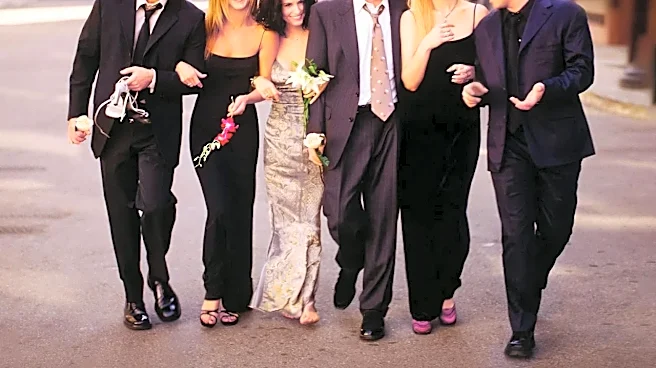
Television history is littered with iconic Chaos Catalysts who stole the show. Think of Kramer on "Seinfeld," constantly bursting through the door with a hair-brained scheme that would inevitably derail Jerry's day. Or Phoebe Buffay on "Friends," whose eccentricities and bizarre backstory provided a welcome jolt of strangeness to the more conventional sitcom plots. More recently, characters like Titus Andromedon from "Unbreakable Kimmy Schmidt" and Klaus Mikaelson from "The Vampire Diaries" graduated from supporting players to fan-favorite superstars. Klaus, originally a temporary villain, proved so popular that he got his own spinoff. These characters aren't just accessories to the story; they often become the reason people keep tuning in, generating buzz and a passionate following that can define a show's success.
The Perfect Storm for a Fall Breakout
This archetype is especially potent in the fall. The autumn television season is notoriously crowded, with networks launching dozens of new shows all vying for attention. A straightforward drama or a gentle comedy can easily get lost in the noise. But a show with a Chaos Catalyst has a secret weapon. This is the character that generates memes, GIFs, and endless social media chatter. They provide the instantly quotable lines and shocking moments that make a show feel like an event. In a fight for survival, being memorable is everything, and no one is more memorable than the character who marches to the beat of their own deranged drum. They are a shortcut to creating a dedicated fanbase and ensuring a show stands out from the pack.