






More Than a Tournament, a National Event
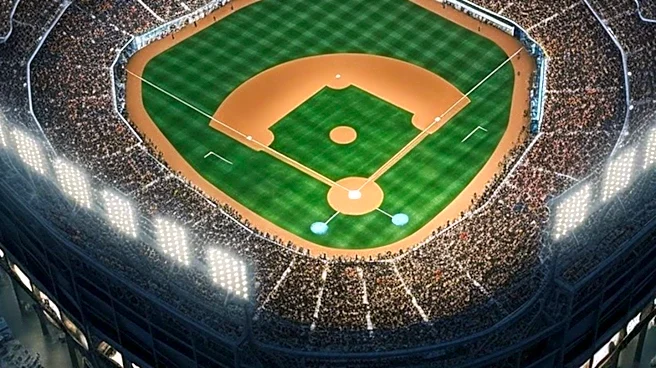
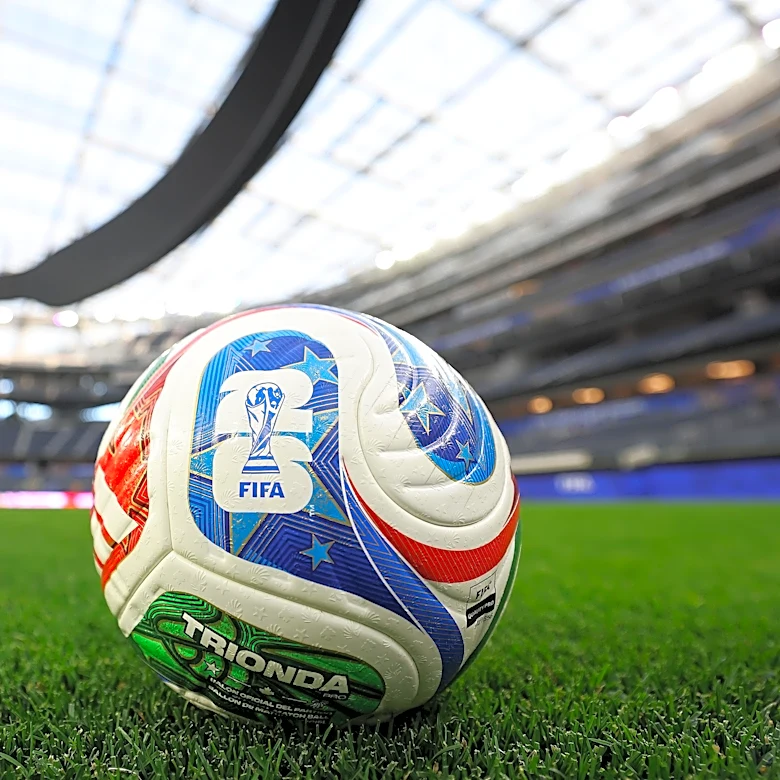
First, forget what you know about past World Cups. The 2026 tournament, co-hosted with Canada and Mexico, will be the largest in history. With an expanded 48-team format, the U.S. is set to host a staggering 78 matches across 11 cities. This isn’t a tournament happening
in a distant time zone; it’s a coast-to-coast, month-long festival. When the U.S. last hosted in 1994, it was a novelty that ignited a spark, leading to the creation of Major League Soccer. But in 2026, the event will land on fertile ground. Games will unfold in prime time, local stadiums will become global epicenters, and cities from Seattle to Miami will transform into international fan hubs. The sheer, unavoidable presence of the tournament will force its way into the national conversation in a way that a competition in Qatar or Russia simply cannot.
The Media Revolution Will Be Televised (and Streamed)
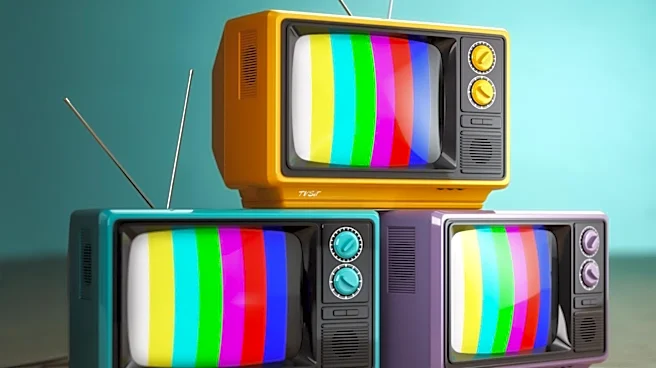
The media landscape of 1994 is ancient history. Back then, we had a handful of broadcast channels. Today, we have a hyper-fragmented, yet hyper-accessible, ecosystem. Viewers can watch a match on network TV, stream it in 4K on a tablet, follow real-time highlights on TikTok, and debate every moment on X (formerly Twitter) with fans across the globe. This multifaceted viewing experience is perfectly suited for a tournament like the World Cup. It allows for both appointment viewing for big matches and passive, ambient consumption throughout the day. Companies like Fox and Telemundo are paying billions for broadcast rights, and they will unleash an unprecedented marketing blitz to recoup that investment. This isn't just about showing games; it’s about creating narratives, building star power around players like Christian Pulisic, and making the event feel as culturally essential as the Super Bowl.
A Generation Raised on Global Soccer
Perhaps the most crucial factor is the audience itself. For Millennials and Gen Z, soccer isn’t a foreign sport they’re being asked to adopt. It’s a language they already speak. They grew up playing EA Sports’ FIFA (now EA Sports FC), a video game that served as a covert education in global leagues, teams, and tactics. They wake up early on weekends to watch the Premier League and follow transfer sagas on social media with the same intensity as NBA free agency. This generation doesn't need to be convinced of soccer’s drama or athleticism. The 2026 World Cup won’t be their introduction to the sport; it will be a graduation ceremony. For the first time, the world’s biggest sporting event will be a home game for a generation of American fans who are already deeply invested.
From the Couch to the Community
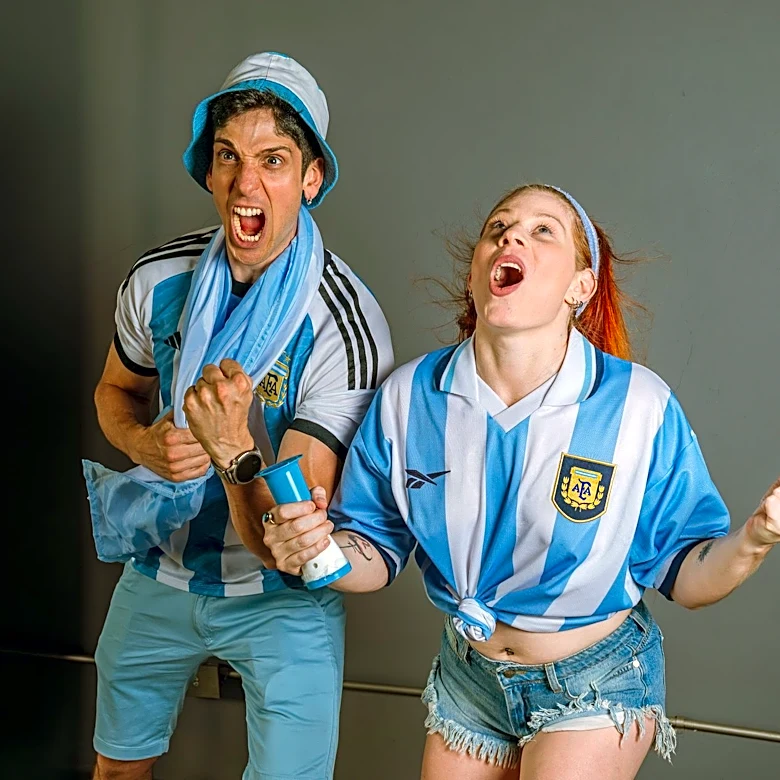
The final piece of the puzzle is the shift from passive viewing to active participation. American sports culture is built around communal experiences—tailgating before a football game, gathering at a bar for March Madness. Soccer is finally catching up. The rise of supporter groups for MLS clubs has normalized the idea of organized, passionate fandom with chants, banners, and marches to the stadium. The 2026 World Cup will supercharge this trend. Expect massive, city-sanctioned fan fests with giant screens, a boom in pop-up soccer-themed bars, and a level of public celebration that will make the sport impossible to ignore. The tournament will provide a focal point for this burgeoning fan culture, turning millions of individual viewers into a visible, collective force. It’s one thing to watch a game at home; it’s another to be part of a crowd of thousands sharing the experience in a public square.