
Stop Celebrating a Round of 16 Exit
Here's the scene: you're at a barbecue, someone brings up the World Cup, and the official narrative begins. It goes something like this: The USMNT won their group for the first time since 2010, they set
a record for goals scored in the group stage, and they finally won a knockout game for the first time since 2002. And then, they ran into a Belgian buzzsaw and lost 4-1. It was disappointing, sure, but look at the progress! The country was united! 42 million people watched! This is the story we're telling ourselves. It’s a nice story. It’s also completely wrong. The unvarnished truth is that for this so-called "Golden Generation," on home soil, with a favorable draw, anything short of a deep quarter-final run was a failure. Exiting in the Round of 16, the same stage where the U.S. has repeatedly crashed out, isn't progress; it's stagnation.
Home-Field Advantage Was Wasted
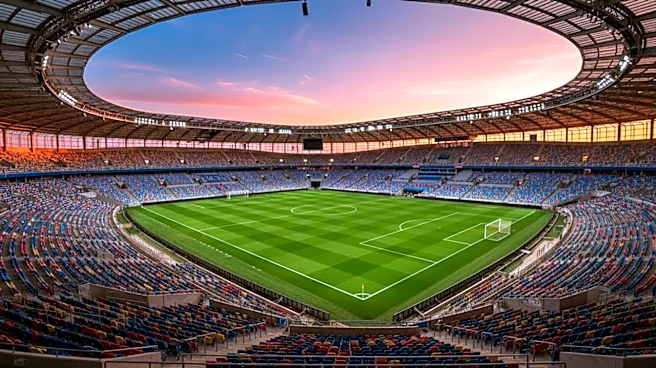
Hosting the World Cup is a once-in-a-generation opportunity. It means seeded groups, favorable travel, and tens of thousands of screaming fans at your back. It’s an advantage so significant that it should fundamentally change the calculus of success. The USMNT played all their games on home turf, cruised through a group stage, and then faced Bosnia and Herzegovina, the lowest-ranked team they could have possibly drawn in the new Round of 32 format. They won, as they were overwhelmingly expected to. But the moment they faced a legitimate, top-tier European team, they collapsed. The defense was shambolic, the attack was toothless, and the team looked overwhelmed from the opening whistle. A 4-1 drubbing isn't just a loss; it's an indictment. It suggests a team that, despite all its advantages, still possesses a deep-seated inferiority complex when the lights get brightest.
This 'Golden Generation' Underachieved
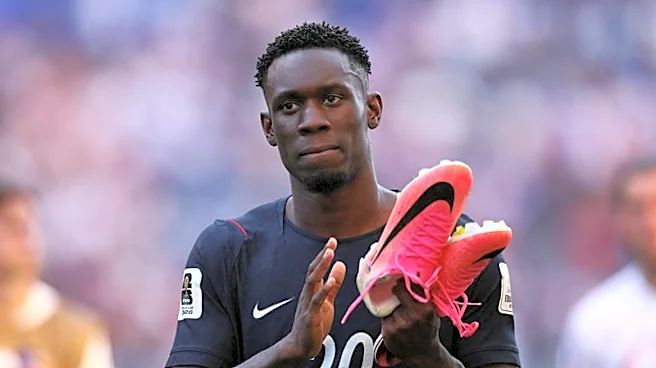
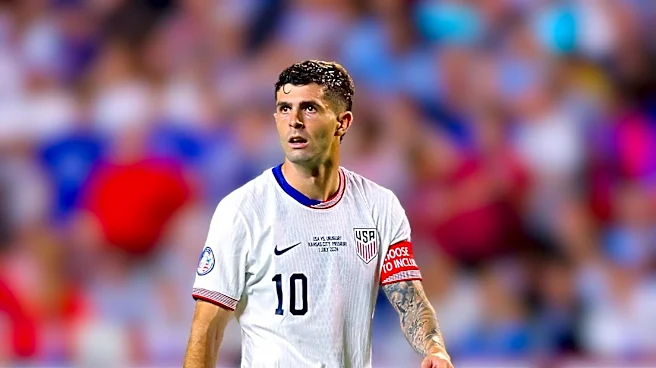
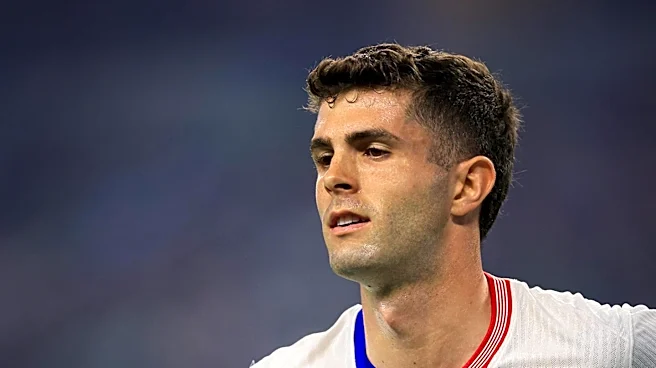
Let’s be honest about the players. This group—Christian Pulisic, Folarin Balogun, and the rest of the European-based cohort—is heralded as the most talented in U.S. history. They play for massive clubs and have Champions League experience. We were told for years that when this generation hit its prime, things would be different. The 2026 World Cup, with players aged 25 to 28, was supposed to be that prime. Instead, we got the same old story. Pulisic struggled in the Belgium game before getting injured. Balogun, despite a controversial reprieve allowing him to play after a suspension, was ineffective. This wasn't a plucky group of college kids and MLS lifers like in 1994. This was a squad built to compete now. To call their performance a success is to grade on a massive curve, accepting a narrative of 'good effort' over actual achievement.
The Takeaway: Demand More
The feel-good sentiment after the tournament is understandable; it’s patriotism mixed with the sheer fun of hosting a global party. But confusing a good time with a good result is a trap. The consensus that the team 'inspired belief' and 'grew the game' is a consolation prize. The real measure of growth would have been a signature win, a quarter-final berth against a powerhouse, a moment that proved the U.S. had truly arrived. Instead, they wilted. The conversation at the watch party might be celebratory, but the cold light of day reveals a massive opportunity missed. Getting booed for pointing this out is a small price to pay for injecting a dose of reality. True fandom isn't blind acceptance; it’s holding the team you love to a higher standard.