





The Knockout Round Crucible
The group stage is a calculation. It’s about managing expectations, securing points, and surviving. But the knockout stage is different. It’s pure consequence. Win or go home. There are no second chances, no safety nets, and the entire world is watching.
This unique environment creates a power vacuum. Established superstars, exhausted from long club seasons, can falter. Defensive, cautious tactics can be shattered by a single moment of brilliance. This is the crucible. The immense pressure either breaks players or forges them into something new. For a young prospect, it’s not just a game; it’s an audition on the world’s biggest stage. A single goal, a game-winning tackle, or a dominant midfield performance isn’t just a highlight—it’s a career-defining event. The narrative is irresistible: with the legends fading, who will step up? The knockout stage provides the answer, and in doing so, it anoints the next generation of soccer royalty.
The Blueprint: James Rodríguez (2014)
Before the 2014 World Cup in Brazil, James Rodríguez was a respected talent playing for AS Monaco, but he was far from a global icon. Colombia’s main star, Radamel Falcao, was out with an injury, leaving a void. James filled it, and then some. After a strong group stage, he entered the Round of 16 against a tough Uruguay side and produced a moment of transcendent genius. Controlling a header on his chest 25 yards from goal, he swiveled and unleashed a searing volley that crashed in off the underside of the crossbar. It wasn't just the goal of the tournament; it was an announcement. Colombia won 2-0, with James scoring both. He had seized the main character role. He went on to win the Golden Boot as the tournament's top scorer, and that summer, he secured a massive transfer to Real Madrid. He became a global superstar overnight, all because he owned the knockout stage.
The Arrival: Kylian Mbappé (2018)
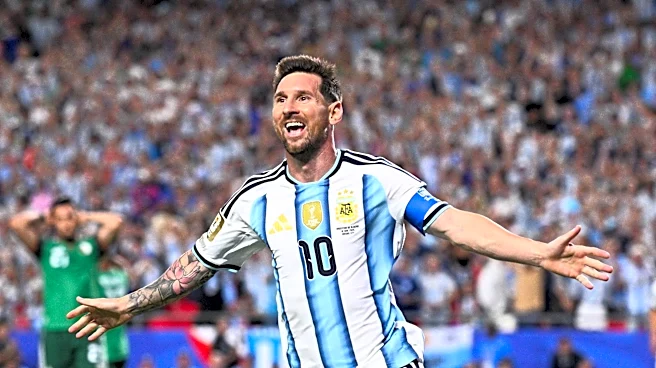
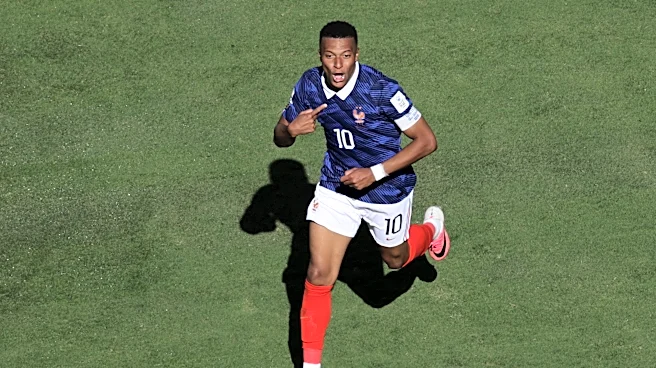
If James was the blueprint, Kylian Mbappé was the lightning strike. At the 2018 World Cup in Russia, the 19-year-old was already a known quantity after his move to Paris Saint-Germain, but he was still seen as a prodigy—a supporting actor to France’s more established stars. That changed in the Round of 16 against Lionel Messi’s Argentina. In a chaotic 4-3 thriller, Mbappé was the defining force. His blistering run from his own half to win an early penalty was a jaw-dropping display of speed and power. But he wasn’t done. With the game on a knife’s edge in the second half, he scored two clinical goals in four minutes to effectively win the match for France. He didn't just play well; he dwarfed everyone else on the pitch, including one of the greatest of all time. From that moment on, it was Mbappé’s tournament as much as anyone’s, culminating in a goal in the final. He had gone from prospect to protagonist.
The Engine Room: Enzo Fernández (2022)
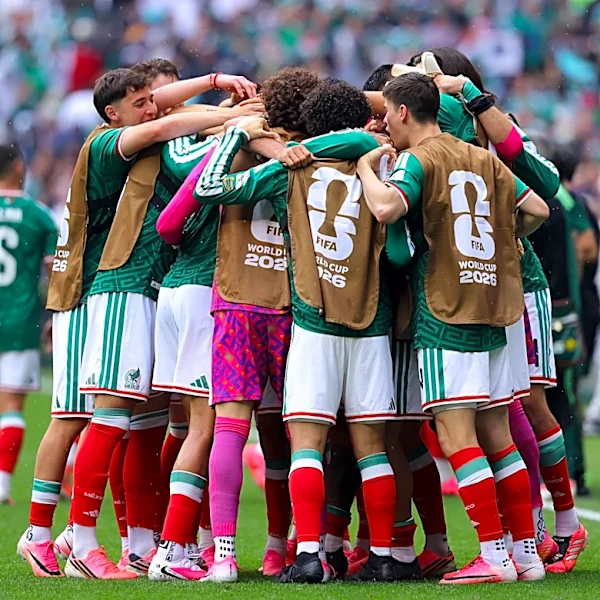
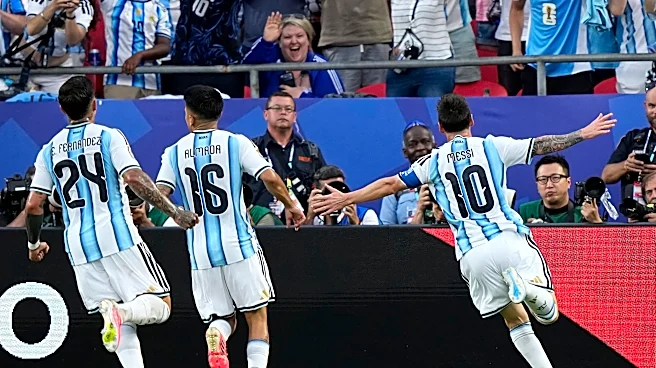
Not every breakout star scores a wonder goal. Sometimes, they become the indispensable engine that drives a team to glory. At the 2022 World Cup, Enzo Fernández started the tournament on the bench for Argentina. He was a promising midfielder, but not yet a guaranteed starter. After a stunning goal against Mexico in the group stage, he forced his way into the lineup, and by the time the knockout rounds began, he was undroppable. While Messi provided the magic, Fernández provided the control, energy, and tactical intelligence in midfield. He was everywhere—breaking up plays, progressing the ball, and shielding the defense. He was named the tournament’s Best Young Player, but the award barely did his influence justice. He played every minute of the knockout stage, culminating in a masterful performance in the final against France. His performance earned him a record-breaking transfer to Chelsea weeks later. He didn’t just become a star; he became a world champion by proving he was the missing piece his team desperately needed.